


Step-by-Step Guide to Using Moving Furniture Pads
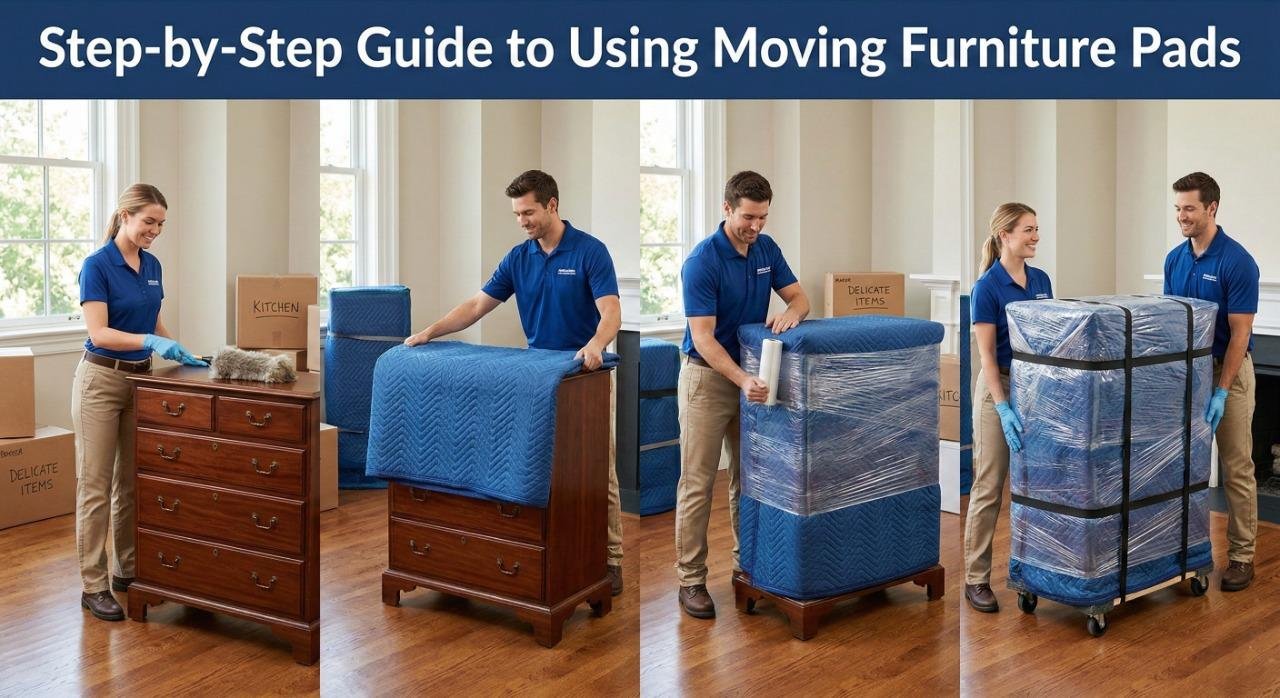
Moving can be stressful, especially when you’re worried about your furniture getting scratched, dented, or damaged. Luckily, there’s a simple solution that makes a huge difference. Moving Furniture Pads are one of the easiest ways to protect your belongings during a move.
Why Protecting Furniture Matters
Before you start wrapping anything, it’s important to understand why protection is crucial. Furniture can be surprisingly fragile, even if it looks sturdy. A simple bump into a doorway or a slide across the floor can cause scratches or dents that are costly to repair.
How Damage Happens During Moves
Moving professionals estimate that over 60% of furniture damage occurs when items are dragged, dropped, or improperly wrapped. Even minor scratches can reduce the value of your furniture, especially for high-end or antique pieces.
Common Types of Damage
-
Scratches and dents on wood surfaces
-
Torn upholstery or fabric
-
Chipped or cracked legs and edges
-
Broken glass or mirrors
These issues are why padding and protective materials are essential for a smooth move.
Choosing the Right Furniture Pads
Not all pads are created equal. Selecting the right Moving Furniture Pads ensures maximum protection and ease during handling.
Types of Furniture Pads
-
Standard quilted pads – Thick cotton or synthetic blankets ideal for most furniture.
-
Moving blankets with waterproof backing – Protects against spills or moisture during transport.
-
Foam or padded wraps – Useful for fragile or highly detailed items.
Factors to Consider
-
Size: Ensure the pad covers the entire piece of furniture.
-
Durability: Look for reinforced stitching for heavy-duty use.
-
Reusability: Higher-quality pads can be reused for future moves.
Step-by-Step Instructions for Using Furniture Pads
Once you have the right pads, it’s time to wrap your furniture safely. Follow these steps carefully.
Prepare the Furniture
Before wrapping, move small items out of the way and inspect each piece for existing damage. Remove drawers, cushions, and detachable parts to make wrapping easier.
Wrapping and Securing
-
Lay the pad flat on the ground.
-
Place the furniture on top or bring the pad up around the sides.
-
Cover all vulnerable areas, including legs, corners, and edges.
-
Secure the pad with packing tape or upholstery tape. Avoid duct tape directly on wood finishes.
Extra Protection for Fragile Areas
-
Wrap glass surfaces with bubble wrap first.
-
Fold smaller pads to protect intricate carvings or edges.
-
Use plastic wrap over the pad to keep it in place during transport.
Pro Tip: Properly padding delicate areas can reduce damage risk by over 50% according to moving experts.
Moving and Loading Furniture
Once furniture is padded, moving it safely is the next priority.
Lifting and Transport Tips
-
Always lift, don’t drag, heavy pieces.
-
Use furniture sliders on hardwood or tile floors.
-
When loading onto a truck, place heavy items at the bottom and lighter ones on top.
-
Secure furniture with straps to prevent shifting during transit.
Using a Moving Directory for Assistance
If moving large or valuable furniture, hiring professionals is often the safest option. My Good Movers provides a directory of trusted moving companies that can deliver services including:
-
Furniture moving and loading
-
Rental of Moving Furniture Pads and other protective materials
-
Full-service local and long-distance moves
Using a directory helps you compare services, read reviews, and find movers with experience handling delicate furniture.
Unwrapping and Setting Up
Once you reach your new home, it’s important to handle furniture carefully during the setup.
Removing Pads
-
First, place furniture roughly in its intended room.
-
Remove tape or wrap slowly to avoid scratching surfaces.
-
Check for any damage that may have occurred during transport.
Reassembling Furniture
-
Replace cushions, drawers, and detachable parts.
-
Ensure all screws or fasteners are tightened after moving.
-
Inspect delicate pieces like glass or mirrored doors before regular use.
Extra Tips for Furniture Protection
Even after using furniture pads, these additional tips can help make your move smoother.
Efficient Use of Pads
-
Stack lighter pads on top of heavy furniture to protect it during multiple moves.
-
Label each piece with its destination room using sticky notes.
-
Consider renting extra pads for unusually large or fragile furniture items.
Reuse and Storage
-
Wash and store pads after your move to keep them ready for future use.
-
Fold neatly to prevent creasing or damage to the padding material.
-
Renting or purchasing quality pads ensures long-term savings for multiple moves.
Commercial Moving Services Advantages
Hiring professionals not only provides labor but also access to better equipment and protective materials. Benefits include:
-
Reduced risk of personal injury while moving heavy furniture
-
Efficient loading and unloading with specialized tools
-
Availability of insurance options to cover potential damage
My Good Movers directory allows you to find movers who specialize in both local and long-distance relocations.
Common Mistakes to Avoid
Even experienced movers make errors that can damage furniture. Being aware of these can save headaches.
Not Using Enough Padding
-
Skipping pads on legs or corners increases the risk of scratches.
-
Using thin or worn pads can’t absorb impacts effectively.
Ignoring Fragile Sections
-
Glass doors, mirrors, and carved legs need extra protection.
-
Tape or wraps must secure pads without sticking directly to delicate surfaces.
Poor Loading Practices
-
Placing heavy furniture on top of lighter items can cause cracks or dents.
-
Failing to secure items in the truck increases risk of shifting during transit.
Final Thoughts
Moving doesn’t have to be a stressful ordeal. Using Moving Furniture Pads properly ensures your furniture arrives safely, while professional movers listed in My Good Movers directory can provide extra peace of mind.
With careful planning, correct padding, and smart loading, most furniture damage is entirely preventable. Remember: the combination of quality pads, proper technique, and reliable moving services creates a smooth and worry-free move.
By following this guide, anyone can protect their valuable furniture, reduce stress, and enjoy their new home with confidence.
Catégories
Lire la suite
A thorough Digital Evidence Management Market Analysis reveals a sector with profound strengths and significant growth opportunities, balanced by notable weaknesses and external threats. The market's core strength lies in its ability to deliver a clear and compelling return on investment for public safety agencies. By automating manual workflows, reducing the time officers spend on...

When plumbing problems disrupt your daily routine, you need a trusted local expert who understands your system inside and out. Our sewer repair Fuquay Varina services are designed to restore your plumbing system quickly and efficiently while protecting your property. At Plumber Fuquay Varina, we provide dependable sewer and plumbing solutions that keep your home safe, functional, and...

Powering a global streaming service requires immense energy, yet our focus remains on minimizing this environmental impact. Our commitment to sustainability drives continuous innovation. Efficiency is our first priority. We constantly optimize server performance, doubling bandwidth per watt in just two years. This halves the energy needed for the same output, making our infrastructure leaner...

Healthcare is changing rapidly across the world, and Dubai is no exception. With advancements in technology and an increasing demand for convenience, many residents are turning toward at-home medical services. These services, once considered a luxury, are now becoming a practical choice for families, professionals, and even corporations looking to make healthcare more accessible and discreet....

Dune: Awakening has begun its journey in the fiercely competitive MMO landscape with promising momentum. Although some initial issues have emerged, the game continues to attract a steady number of players, indicating a healthy interest in its universe. Recently, the developers at Funcom rolled out update 1.1.15.0, addressing a popular community concern. This patch introduces modifications that...