


The Growing Demand for At-Home Medical Services in Dubai
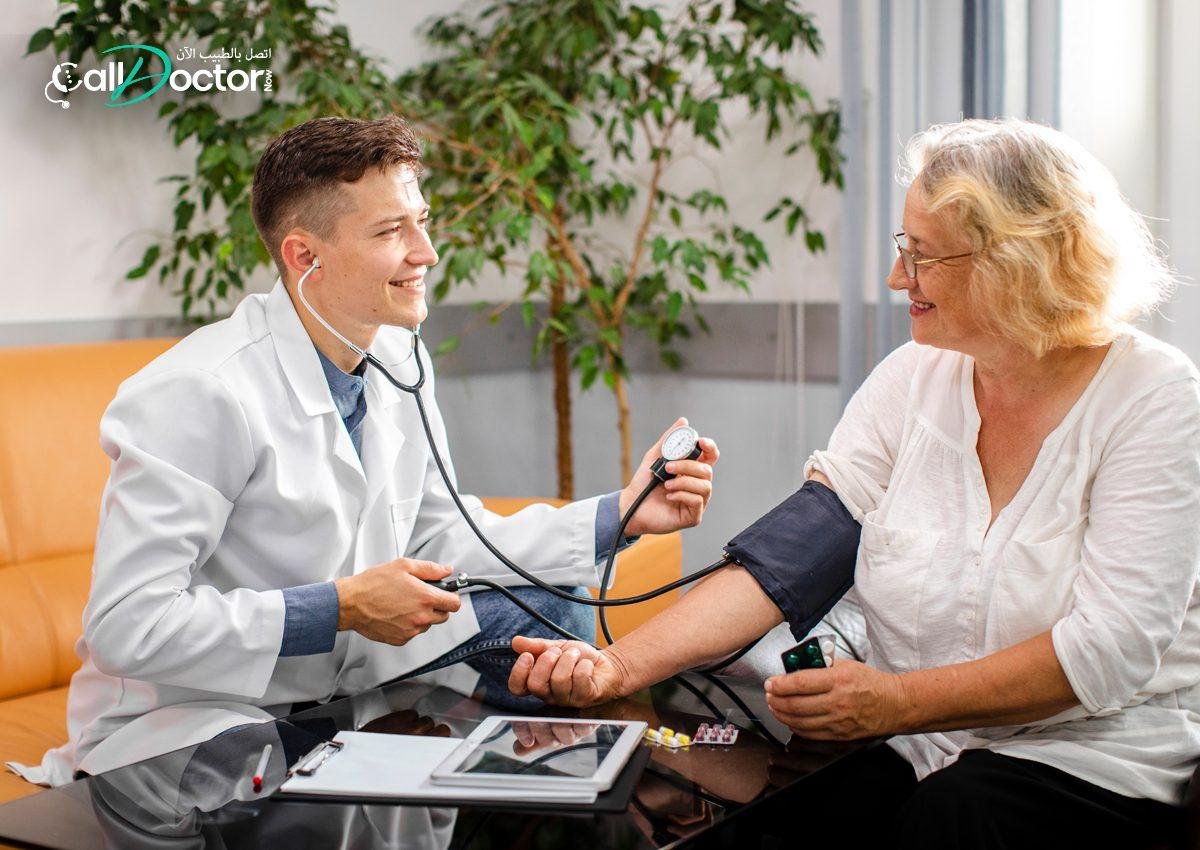
Healthcare is changing rapidly across the world, and Dubai is no exception. With advancements in technology and an increasing demand for convenience, many residents are turning toward at-home medical services. These services, once considered a luxury, are now becoming a practical choice for families, professionals, and even corporations looking to make healthcare more accessible and discreet.
This shift reflects not only the progress of the healthcare system in Dubai but also the lifestyle of its diverse and fast-paced population. From busy executives to parents caring for children, the option to receive professional healthcare at home is filling an important gap.
Why At-Home Medical Services Are Growing
The appeal of at-home medical services lies in their simplicity. Instead of driving to a clinic, waiting in line, and dealing with scheduling conflicts, patients can receive the care they need in the comfort of their homes. Dubai, known for innovation and modern living, has embraced this model quickly.
Several factors are fueling this trend:
-
Busy Lifestyles: Many residents work long hours, commute daily, and juggle family responsibilities. The convenience of at-home care saves both time and energy.
-
Privacy Needs: Some medical procedures or tests can feel sensitive. Receiving care at home provides patients with a level of confidentiality that clinics may not always offer.
-
Technology Integration: Telemedicine platforms, mobile apps, and on-demand booking systems have made it easier for people to access healthcare services at home.
-
Personalized Attention: Home visits often provide more one-on-one time with healthcare professionals, which improves trust and the quality of care.
Services Commonly Offered at Home
Dubai’s healthcare providers are expanding the range of services that can be safely and effectively delivered at home. Some of the most popular include:
-
General Check-Ups: Routine health assessments that monitor blood pressure, blood sugar, cholesterol, and other markers.
-
Blood Tests and Lab Work: Sample collection at home saves patients a trip to the lab. Results are often sent electronically.
-
Vaccinations: Families appreciate the option of immunizations at home, especially for children or elderly members.
-
Chronic Disease Monitoring: Patients with conditions like diabetes or hypertension benefit from regular home visits.
-
Post-Surgery Care: Follow-up care, wound dressing, and recovery monitoring are increasingly provided in home settings.
-
Elderly Care: Seniors often require regular assistance, and at-home medical services help them maintain independence.
-
Specialized Tests: Some providers even offer discreet services like doctor on call, reflecting the city’s demand for confidential and convenient health solutions.
The Role of Technology in At-Home Healthcare
Technology is the backbone of this transformation. Without modern tools, at-home medical services would be limited in scope. Dubai’s healthcare sector has embraced:
-
Teleconsultations: Doctors can evaluate symptoms, provide diagnoses, and recommend treatment plans without requiring an in-person visit.
-
Mobile Health Apps: Patients can schedule appointments, access records, and receive reminders directly through their phones.
-
Portable Devices: From ECG machines to glucose monitors, many diagnostic tools are now compact and mobile, making them ideal for home use.
-
Electronic Records: Test results and prescriptions are shared digitally, ensuring seamless communication between patients and healthcare providers.
This integration of technology not only makes at-home services more efficient but also builds patient confidence in the reliability of remote care.
Who Benefits the Most?
The demand for at-home medical services is not limited to one group of people. It cuts across demographics:
-
Families with Young Children: Parents often prefer home visits to avoid exposing children to crowded waiting rooms.
-
Working Professionals: Executives and entrepreneurs value the ability to receive healthcare without disrupting their schedules.
-
Elderly Residents: Seniors who may struggle with mobility find home services both practical and comforting.
-
Expats: With many residents living far from their families, home healthcare offers support and reassurance.
-
Corporations: Some companies even arrange in-office or at-home medical services for employees to reduce downtime.
The Cultural and Social Context
Dubai is unique in its cultural diversity, with residents from all over the world. This diversity also shapes healthcare preferences. In some cultures, privacy in medical matters is deeply valued, while others emphasize convenience and time-saving solutions. At-home services provide both, making them attractive across different cultural groups.
Additionally, Dubai has a strong reputation for adopting global best practices. As at-home healthcare grows internationally, it is natural that the city is leading the way in the region.
Challenges and Considerations
While the demand for at-home medical services continues to rise, there are challenges that providers and patients need to consider:
-
Cost: At-home visits can sometimes be more expensive than traditional clinic visits. However, many argue that the convenience justifies the price.
-
Quality Assurance: Ensuring consistent standards across different providers is crucial. Licensing, accreditation, and regulation play a major role.
-
Insurance Coverage: Not all insurance plans cover home services, though this is gradually changing as the model becomes more mainstream.
-
Emergency Care: At-home services are not a replacement for hospitals in urgent or life-threatening situations. Patients need to know the limits of what can be handled at home.
The Future of At-Home Healthcare in Dubai
The outlook for at-home medical services in Dubai is promising. Several trends are likely to shape the future:
-
Expansion of Services: More complex procedures may eventually become available at home as technology advances.
-
Integration with Smart Homes: Dubai’s interest in smart living could extend to healthcare, where medical devices connect directly to home systems.
-
Increased Insurance Support: As demand grows, insurance providers may expand their coverage for at-home care.
-
AI and Predictive Analytics: These tools could help monitor patient health remotely, preventing issues before they become serious.
-
Corporate Adoption: Companies may continue to invest in home-based healthcare as part of employee wellness programs.
Why This Matters
At-home medical services are more than a convenience; they represent a shift in how people view healthcare. Instead of being tied to institutions, healthcare is moving closer to the individual. This shift allows patients to take more control over their health, while providers can offer more personalized and efficient care.
In Dubai, where innovation meets lifestyle, this evolution feels like a natural fit. The city is home to a population that values time, privacy, and technology, all of which align perfectly with the growth of at-home healthcare.
Conclusion
The rise of at-home medical services in Dubai is a reflection of modern needs and innovative solutions. Busy lifestyles, cultural diversity, and advances in technology have created the perfect environment for this model to thrive. From general check-ups to specialized testing, these services are becoming part of everyday life.
While challenges like cost and insurance coverage remain, the long-term benefits are clear. Patients enjoy privacy, convenience, and personalized care, while healthcare providers can reach more people effectively.
As Dubai continues to grow and adapt, at-home medical services will likely become not just a trend but a standard part of healthcare. For residents, this means easier access to quality care without sacrificing time, comfort, or discretion.
Categorias
Leia mais
Introduction to Beetles Control Dubai Beetles are one of the most common yet destructive pests found in residential and commercial properties across Dubai. From damaging furniture and stored food to spreading contamination, beetles can quickly turn into a serious problem. That is why professional Beetles Control Dubai services are essential for maintaining a clean, healthy, and pest-free...

In recent years, non-surgical skin rejuvenation has become one of the most requested aesthetic solutions worldwide, and Dubai stands at the forefront of this transformation. Among the many advanced treatments available, profhilo has emerged as a gold standard for individuals seeking natural-looking skin rejuvenation without invasive procedures. When performed at the Best...

Your roof is one of the most important parts of your property, especially in a coastal region like East Islip where changing weather conditions can take a toll on residential and commercial structures. From heavy rain and coastal moisture to winter snow and summer heat, roofs in this area face constant exposure to the elements. That is why Roof Repair East Islip services are essential for...
Getting a tattoo is an exciting experience, but proper aftercare is essential to protect your skin and preserve your artwork. Fresh tattoos are essentially open wounds, Tattoo care products and sensitive skin requires extra attention during the healing process. Choosing the right aftercare solution can make a noticeable difference in comfort, healing speed, and long-term...

Modern medicine depends on prescription pain relief as an essential treatment method. Prescribed medicines enable patients to achieve better relief from their pain while they recover from surgery and injuries and deal with their ongoing arthritis and neuropathhetic pain. The treatment method demands medical supervision and requires doctors to create specific dosage plans for each patient while...