


Elderly Care Wheelchairs: Enhancing Daily Living and Quality of Life
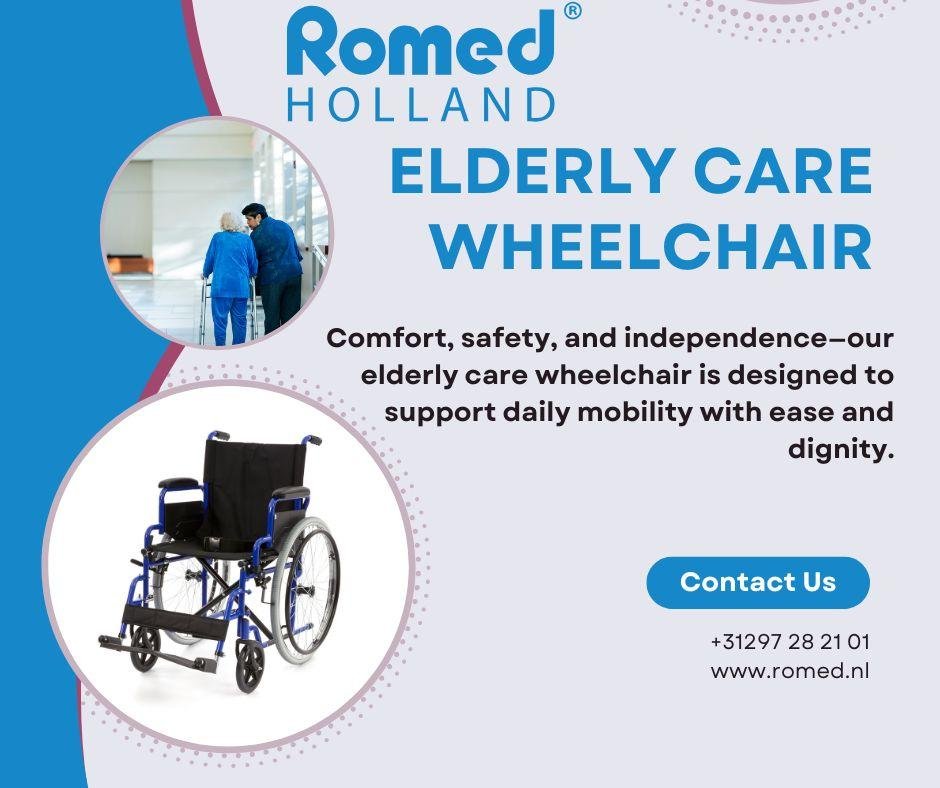
As people age, maintaining independence and mobility becomes one of the most important factors in preserving dignity and overall well-being. For many seniors, limited movement caused by age-related conditions, injuries, or chronic illnesses can make everyday activities challenging. Elderly care wheelchairs play a crucial role in addressing these challenges by providing safe, comfortable, and reliable mobility solutions that significantly enhance daily living and quality of life.
The Importance of Mobility in Elderly Care
Mobility is closely linked to physical health, emotional well-being, and social engagement. When elderly individuals lose the ability to move freely, they may experience isolation, frustration, and a decline in mental health. Wheelchairs designed specifically for elderly care help bridge this gap by enabling seniors to participate in daily routines, social interactions, and recreational activities with confidence.
Whether used temporarily after surgery or as a long-term mobility aid, wheelchairs empower elderly individuals to remain active and engaged rather than confined to beds or limited spaces.
Designed for Comfort and Safety
Elderly care wheelchairs differ from standard wheelchairs in their focus on comfort, support, and ease of use. Seniors often require additional features to accommodate weaker muscles, sensitive joints, and balance issues.
Key comfort and safety features include:
-
Padded seating and backrests to reduce pressure and discomfort
-
Adjustable armrests and footrests for personalized support
-
Anti-tip wheels to prevent accidents
-
Secure braking systems for stability during transfers
-
Lightweight yet sturdy frames for easy handling
These thoughtful design elements ensure that elderly users can sit comfortably for extended periods while caregivers can maneuver the wheelchair safely and efficiently.
Supporting Independence and Dignity
One of the greatest benefits of elderly care wheelchairs is the independence they provide. Seniors who can move on their own or with minimal assistance often feel more confident and self-reliant. This sense of independence contributes directly to emotional well-being and self-esteem.
Wheelchairs allow elderly individuals to perform daily activities such as moving around the home, going outdoors, attending appointments, or socializing with family and friends. Even small freedoms—like choosing when to move from one room to another—can make a meaningful difference in preserving dignity and personal autonomy.
Reducing Caregiver Strain
Elderly care wheelchairs are not only beneficial for seniors but also for caregivers. Properly designed wheelchairs reduce physical strain during lifting, transferring, and transportation. Features such as ergonomic handles, smooth-rolling wheels, and foldable frames make caregiving tasks safer and more efficient.
By minimizing the risk of injuries for both the elderly user and the caregiver, wheelchairs contribute to a healthier and more sustainable caregiving environment, whether at home, in hospitals, or in assisted living facilities.
Improving Social Engagement and Mental Health
Limited mobility often leads to social withdrawal, which can negatively affect mental health. Elderly care wheelchairs help seniors remain socially active by making it easier to attend family gatherings, community events, and outdoor activities.
Regular social interaction helps reduce feelings of loneliness, anxiety, and depression among older adults. Being able to participate in everyday life fosters a sense of belonging and purpose, which is essential for maintaining emotional balance in later years.
Adapting to Medical and Lifestyle Needs
Elderly individuals have diverse needs depending on their health conditions and lifestyle. Wheelchairs are available in various types, including:
-
Manual wheelchairs for those with sufficient upper-body strength
-
Transport wheelchairs for assisted mobility during outings
-
Reclining wheelchairs for seniors requiring extra postural support
-
Electric wheelchairs for individuals with severe mobility limitations
Choosing the right wheelchair ensures optimal comfort, safety, and usability. Consulting healthcare professionals or mobility specialists can help families select the most suitable option for long-term care.
Enhancing Quality of Life Through Thoughtful Design
Modern elderly care wheelchairs are designed with a deep understanding of aging-related challenges. From breathable materials to adjustable seating positions, these wheelchairs focus on improving daily comfort while preventing complications such as pressure sores or poor posture.
Many models are also designed for indoor and outdoor use, allowing seniors to enjoy fresh air, nature, and new surroundings without discomfort or risk. This versatility plays a vital role in maintaining both physical health and emotional well-being.
Conclusion
Elderly care wheelchairs are more than mobility aids—they are tools that restore freedom, dignity, and confidence. By enhancing daily living, supporting independence, and promoting social engagement, wheelchairs significantly improve the quality of life for elderly individuals and their caregivers alike.
Investing in the right wheelchair can transform everyday experiences, making aging a more comfortable, active, and fulfilling journey. With the right support and mobility solutions, seniors can continue to live life with purpose, comfort, and joy.
Catégories
Lire la suite
Netflix Unveils Gripping Documentary Series "Making A Murderer" Coming This December In an exciting announcement from their Beverly Hills headquarters, Netflix revealed their latest original documentary series "Making A Murderer" will debut globally on December 18, 2015. This ten-part crime series represents a decade-long filmmaking journey by directors Laura Ricciardi and Moira Demos, who...

China's Ministry of Industry and Information Technology clarifies that no discussions with Google have occurred regarding hacking allegations The ministry seeks formal complaints from Google to enable potential legal action, yet maintains that none have been submitted Official statements consistently reject any government involvement in cyber incidents, carefully avoiding labeling Google's...
Home Life Revival Rediscover the simple pleasures of home life with the return of a beloved series. The new season invites a fresh wave of guests to share in the warmth of connection. Gather inspiration from culinary and creative experts in the comfort of a welcoming space. Explore how to infuse everyday moments with vibrant taste and personal flair. Learn to craft dishes that excite the palate...
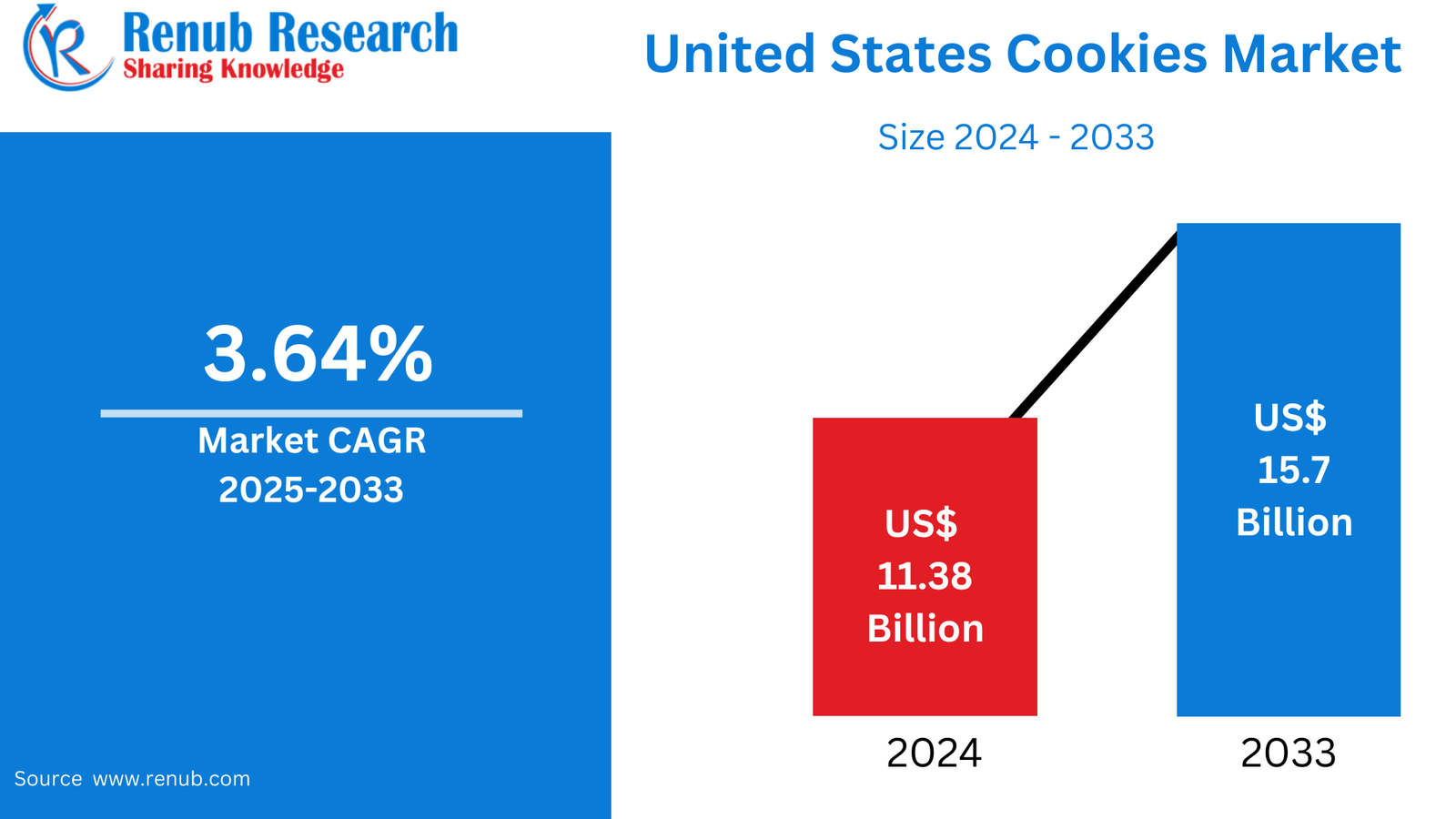
United States Cookies Market Overview According To Renub Research United States Cookies Market represents one of the most mature and resilient segments of the broader bakery and packaged snacks industry. Valued at US$ 11.38 billion in 2024, the market is projected to reach US$ 15.7 billion by 2033, expanding at a compound annual growth rate (CAGR) of 3.64% from 2025 to 2033. This steady growth...
In a historic first, Ava DuVernay's powerful documentary "The 13th" will open the prestigious 54th New York Film Festival on September 30, 2016, marking the first time a non-fiction film has been selected for this honor. The groundbreaking documentary explores America's troubling history of racial inequality through the lens of mass incarceration, examining how the United States has become the...