Moonlight Builders: Inside the After-Hours Economy Shipping America's Next Startups
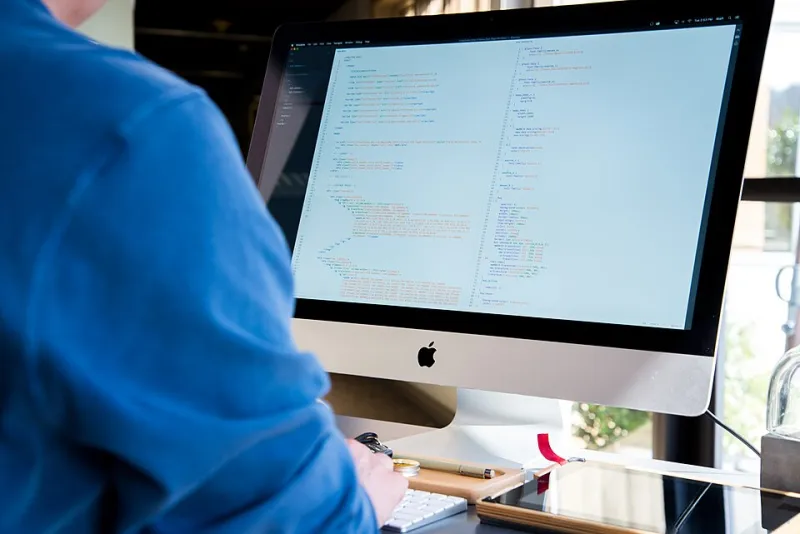
Photo: Lee Campbell leecampbell, CC0, via Wikimedia Commons
There's a particular kind of silence at 11:47 P.M. that you can't buy with seed funding. No Slack pings. No standups. Just you, a half-finished branch, and the hum of your laptop fan working harder than you'd like to admit.
If you talk to enough indie founders in the US, a pattern emerges fast: the day job funds the dream, but the dream only gets worked on when the rest of the country is asleep. Call it the after-hours economy — a distributed, unofficial accelerator running on caffeine, iCal-blocked weekends, and the stubborn belief that a side project can become the main thing.
The Day Job Owns Nine to Five. So Founders Claim the Other Hours.
It's not that American engineers have suddenly become nocturnal by choice. It's arithmetic. Between a full-time role, a commute (even a mental one, post-remote), family obligations, and the general chaos of being a person in 2025, the only reliably free window is late.
So the build happens late. And here's the thing — for a lot of people, it actually works. Interruption-free focus is rarer than runway these days. A three-hour block after midnight can outproduce a scattered workday of context switching. Some builders swear their best code only comes out after their household goes dark.
The Rituals of the Night Shift
Spend enough time in indie hacker communities — the Indie Hackers forums, r/SideProject, the various build-in-public corners of X — and you'll notice the rituals. Sunday afternoon "deep work sprints" booked like dentist appointments. A single Trello board instead of a full PM suite, because at 1 A.M. you don't want to configure a workflow, you want to ship a feature.
The tooling tells the story too. Lightweight deploys that don't require a DevOps ceremony. AI pair programmers that keep momentum when your brain is running on fumes. Timezone-friendly services that don't care that you pushed to main at 2 A.M. The modern stack has, almost by accident, become optimized for the moonlight builder — low ceremony, high speed, zero meetings.
There's also a social layer. Public build logs, weekly shipping threads, streak trackers. When your only teammates are asleep, the accountability has to come from somewhere. Shipping in public turns strangers into a standup.
The Part Nobody Puts on the Landing Page
Now for the honest bit: this culture has a cost, and we don't talk about it enough.
Chronic sleep debt doesn't announce itself. It shows up as the bug you can't crack, the marketing copy that reads flat, the slow creep of resentment toward the side project that was supposed to be fun. Burnout among moonlight builders isn't a dramatic collapse — it's a quiet downgrade of everything, including the thing you were building for.
There's a survivorship bias problem too. The 2 A.M. success stories get the retweets. The hundreds of projects that died from exhaustion, not lack of demand, don't get a postmortem thread.
What "Shipping" Actually Means When Time Is Scarce
Here's my contrarian take: the after-hours crowd might be better at shipping than well-funded teams, precisely because they can't afford not to be. When you have six hours a week, you don't build a settings page with 40 toggles. You build the one toggle that matters. Scarcity is a brutal but effective product manager.
The healthiest moonlight builders I've seen share a few habits: a hard stop time that's actually honored, one project at a time (truly one), and a definition of "ship" that includes small stuff — a landing page tweak counts. Momentum beats marathons.
The nine-to-five isn't the enemy of the side project. The all-nighter is. America's next wave of great products won't be built by people who never sleep — they'll be built by people who figured out how to ship in the margins without burning the margins down.