


Gastric Bypass – Reliable Medical Procedure for Long-Term Weight Loss Success
Gastric bypass surgery is a reliable, clinically proven bariatric procedure designed to help individuals achieve long-term weight loss success and improved overall health. For many people struggling with severe obesity, traditional weight loss methods such as dieting, exercise, and lifestyle modifications often fail to provide lasting results. Gastric bypass offers a safe and effective surgical solution that promotes significant weight reduction while improving metabolism, mobility, and quality of life.
Obesity is a serious medical condition linked to increased risks of type 2 diabetes, high blood pressure, heart disease, sleep apnea, and joint problems. Gastric bypass addresses these issues by altering the digestive system to reduce food intake and limit calorie absorption. This dual approach supports sustainable weight management and overall wellness.
Understanding Gastric Bypass Surgery
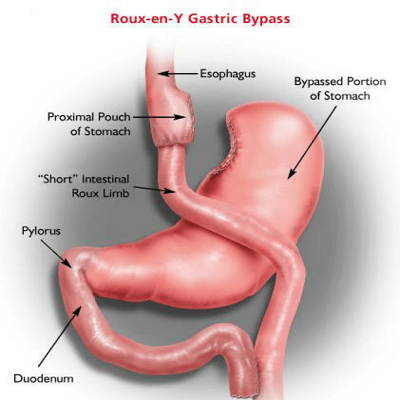
Gastric bypass combines restriction and malabsorption to achieve long-term weight control. The most commonly performed procedure, Roux-en-Y gastric bypass, involves creating a small stomach pouch and rerouting a portion of the small intestine.
During surgery, the upper portion of the stomach is divided to form a small pouch, which becomes the patient’s new stomach. This smaller pouch restricts food intake, helping patients feel full faster and naturally consume fewer calories.
A portion of the small intestine is then rerouted and connected to the new pouch. By bypassing part of the stomach and upper intestine, the surgery reduces calorie and nutrient absorption, supporting safe and lasting weight loss when combined with proper diet and lifestyle modifications.
Who Can Benefit from Gastric Bypass?
Gastric bypass is recommended for individuals with severe obesity who have not achieved long-term weight loss through non-surgical methods. Candidates are evaluated based on body mass index (BMI), overall health, and obesity-related medical conditions.
Ideal candidates include:
-
Individuals with a BMI of 40 or higher
-
Individuals with a BMI of 35 or higher with obesity-related health issues
-
Patients with type 2 diabetes, high blood pressure, or sleep apnea
-
Individuals committed to long-term lifestyle and dietary changes
A comprehensive medical evaluation ensures the procedure is safe and suitable for each patient.
Benefits of Gastric Bypass
Gastric bypass offers numerous benefits beyond weight loss:
Sustainable and reliable weight loss
Most patients lose a substantial portion of excess weight within the first year and maintain results long-term with proper lifestyle habits.
Improvement in obesity-related conditions
Many patients experience resolution or improvement of type 2 diabetes, high blood pressure, high cholesterol, and sleep apnea.
Enhanced metabolic health
Hormonal changes after surgery help regulate appetite, improve insulin sensitivity, and support better blood sugar control.
Increased energy and mobility
Weight loss reduces joint strain, allowing patients to engage more actively in physical activities.
Mental and emotional benefits
Achieving weight loss goals boosts confidence, self-esteem, and overall quality of life.
How Gastric Bypass Surgery Is Performed
Modern gastric bypass is typically performed using minimally invasive laparoscopic techniques. Small incisions in the abdomen allow the surgeon to use specialized instruments and a camera to perform the procedure.
This approach provides smaller scars, less post-operative pain, and faster recovery compared to traditional open surgery. The procedure generally takes a few hours under general anesthesia, with patients staying in the hospital for 2–3 days for monitoring and recovery.
Recovery and Post-Surgery Diet
Recovery involves physical healing and adapting to new eating habits. Patients start with a liquid diet, progress to soft foods, and eventually return to solid meals.
Patients are advised to eat smaller portions, chew thoroughly, and avoid high-sugar or high-fat foods. Proper hydration and a balanced diet support recovery and long-term weight management. Regular follow-ups help monitor progress and ensure proper nutrition.
Long-Term Lifestyle Commitment
While gastric bypass is highly effective, maintaining results requires long-term healthy lifestyle habits:
-
Eat a balanced, nutrient-rich diet
-
Consume smaller, frequent meals throughout the day
-
Avoid processed and sugary foods
-
Engage in regular physical activity
-
Take recommended vitamin and mineral supplements
-
Attend routine medical check-ups
Following these habits ensures patients maintain weight loss and overall health.
Risks and Considerations
Like any surgery, gastric bypass carries potential risks, including infection, bleeding, or nutritional deficiencies if dietary recommendations are not followed. However, when performed by experienced bariatric surgeons with proper care, it is considered safe and highly effective.
Patients should discuss potential benefits and risks with their healthcare provider before surgery. Proper preparation and ongoing support are essential for achieving successful outcomes.
A Reliable Solution for Long-Term Weight Loss
Gastric bypass is a safe, effective, and reliable medical procedure for severe obesity. By combining advanced surgical techniques with lifestyle guidance and ongoing medical support, it provides a pathway to sustainable weight loss, improved metabolic health, increased mobility, and enhanced overall quality of life.
For individuals ready to take control of their health, gastric bypass offers a clinically supported opportunity to achieve lasting weight management, better wellness, and a healthier, more active lifestyle.
Categorii
Citeste mai mult
Trapstar fashion has grown from a bold idea into a powerful urban identity. It represents confidence, strength, and the unapologetic spirit of city life. This is not just clothing designed to look good; it is streetwear that tells a story. Every hoodie, jacket, tracksuit, and t-shirt reflects energy, attitude, and fearless individuality. Trapstar stands as a symbol for people who Trapstar...

在高端雪茄世界中,「大衛杜夫」不僅僅是一個品牌名稱,更代表一種極致講究的生活態度。無論是對原料的挑選、捲製工藝的要求,還是對口感層次的追求,大衛杜夫始終站在世界頂級雪茄品牌之列。對於真正懂得享受雪茄文化的品味人士而言,大衛杜夫是一種身份象徵,更是一種對品質不妥協的信念。 作為專注於高端煙草產品的專業平台,HKsmokeone 精心挑選多款大衛杜夫 系列產品,為香港及亞洲雪茄愛好者提供更穩定、更可靠的選購渠道,讓每一位顧客都能安心體驗世界級雪茄的魅力。 大衛杜夫的品牌精神:從工藝到品味的全面堅持 大衛杜夫之所以能在全球雪茄市場建立長久聲譽,關鍵在於品牌對「細節」的極致追求。從煙葉的來源開始,大衛杜夫堅持使用高品質產區培育的優質煙葉,並經過長時間自然發酵與熟成處理,確保煙葉本身具備穩定結構與豐富香氣。...

Matthew Broderick has been cast in Netflix's upcoming apocalyptic dramedy series Daybreak, where he'll portray Principal Burr, the enthusiastic leader of Glendale High School. Principal Burr is characterized as an optimistic administrator who maintains personal connections with students, even knowing their preferred Overwatch gaming characters. He represents a modern educator attempting to...

The urban fashion is a dynamic mixture of cultures, styles, and personalities. Sp5der jackets are leading this trend and they are much needed to determine the modern trend in urban design. Innovative Designs Sp5der jackets are designed with modern designs as per the trends of street wear. Having graphic kingsp5derr.comdesign and cutting edge styles, these jackets can be singled out in the...

Traveling across Saudi Arabia has become increasingly convenient with the rise of professional Saudi taxi services. Whether you are visiting for religious purposes, tourism, or business, having a reliable taxi service ensures comfort, safety, and punctuality. One of the most popular routes for pilgrims and visitors is from Jeddah to Makkah, a journey that requires careful planning due to...
