


Global Commercial Vehicle Market to Reach $1.38 Trillion by 2033
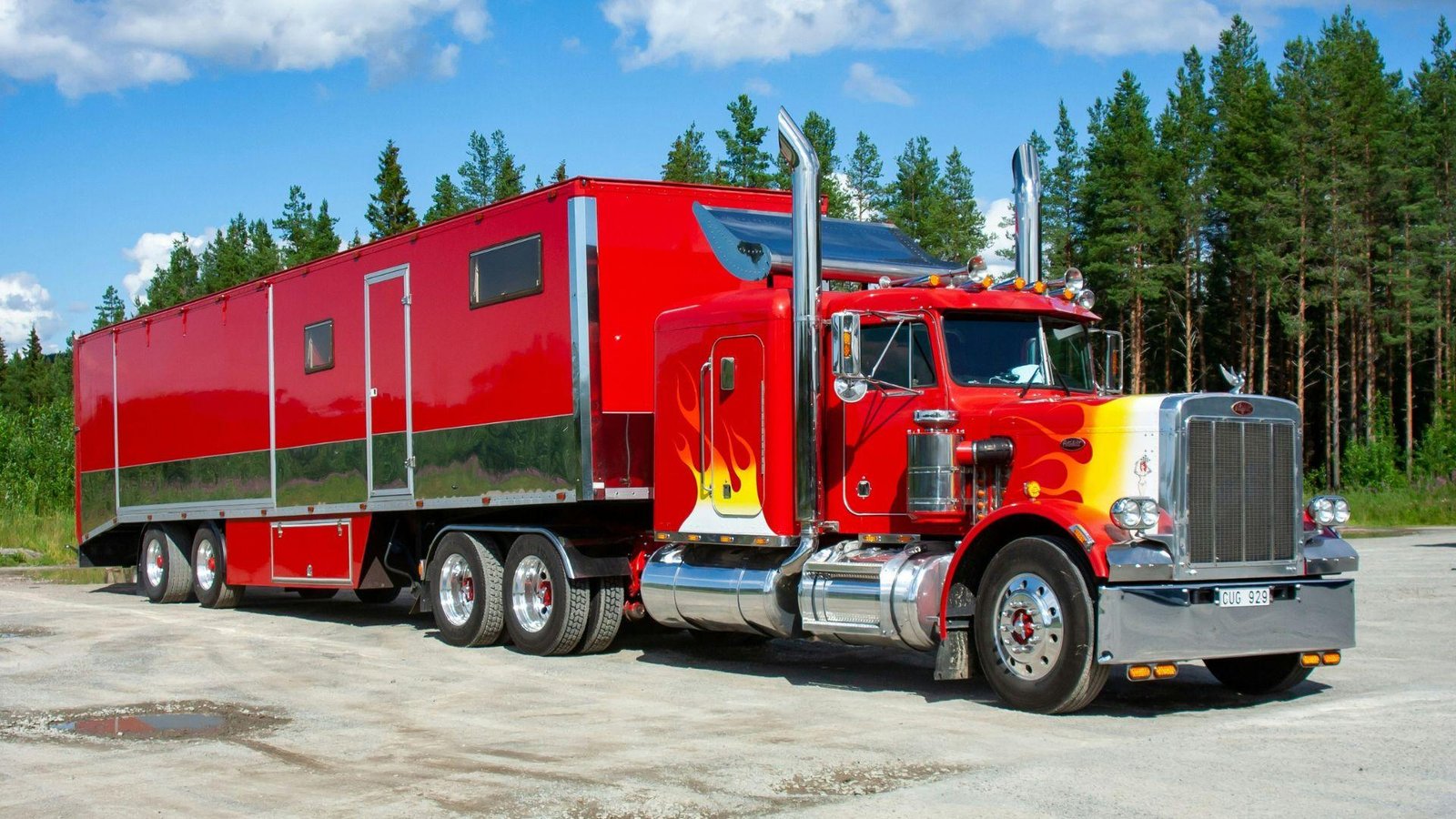
Global Commercial Vehicle Market to Reach $1.38 Trillion by 2033
The global commercial vehicle industry is undergoing a significant transformation as logistics expansion, e-commerce growth, and infrastructure development reshape transportation demand worldwide. Commercial vehicles are essential for moving goods, supporting industrial activities, and enabling public transportation systems. As global economies continue to expand and supply chains become more complex, demand for efficient and technologically advanced commercial vehicles is steadily increasing.
According to Renub Research, the global commercial vehicle market is expected to grow from US$839.97 billion in 2024 to US$1,388.10 billion by 2033, registering a compound annual growth rate (CAGR) of 5.74% between 2025 and 2033. The market’s expansion is driven by growing logistics networks, rapid growth of e-commerce, large-scale infrastructure investments, and advancements in electric and autonomous commercial vehicle technologies.
Governments worldwide are also supporting the transition toward sustainable transportation by promoting cleaner fuels, electric vehicles, and smart mobility systems.
Download Free Sample Report:https://www.renub.com/request-sample-page.php?gturl=commercial-vehicle-market-p.php
Commercial Vehicles: Backbone of Global Trade and Transportation
Commercial vehicles are motor vehicles designed primarily for transporting goods, passengers, or performing specialized industrial tasks. These vehicles play a critical role across multiple sectors including logistics, construction, agriculture, retail, mining, and public transportation.
The commercial vehicle category includes trucks, buses, vans, trailers, tankers, and specialized heavy-duty equipment. Light commercial vehicles are commonly used for urban delivery and last-mile logistics, while medium and heavy-duty trucks are designed for long-distance freight transportation and industrial operations.
Certain specialized commercial vehicles, such as refrigerated trucks, are essential for transporting temperature-sensitive goods like food and pharmaceuticals. Heavy-duty trucks and dumpers are widely used in construction and mining projects where large payload capacity and durability are required.
With the rapid expansion of global trade and supply chain networks, commercial vehicles remain indispensable for economic growth and industrial development.
Expansion of E-Commerce and Logistics Industry
One of the most significant drivers of the commercial vehicle market is the rapid growth of e-commerce and logistics services. Online retail has dramatically increased the demand for transportation solutions that can deliver goods quickly and efficiently.
E-commerce platforms rely heavily on fleets of light and medium-duty commercial vehicles for last-mile delivery operations. The demand for same-day and next-day delivery services has pushed logistics companies to expand their vehicle fleets and invest in more efficient delivery systems.
Urban delivery networks, warehouses, and distribution centers require reliable commercial vehicles to ensure smooth supply chain operations.
For example, in January 2025, a major truck manufacturer introduced a new range of electric small commercial vehicles designed specifically for last-mile delivery in the rapidly expanding e-commerce segment.
As online shopping continues to grow globally, logistics companies will increasingly depend on commercial vehicles to support efficient delivery networks.
Infrastructure Development and Urbanization
Rapid urbanization and large-scale infrastructure projects are also contributing significantly to the growth of the commercial vehicle market.
Governments around the world are investing heavily in infrastructure development, including highways, bridges, rail networks, housing projects, and industrial zones. These projects require specialized commercial vehicles such as dump trucks, cement mixers, and heavy-duty transport trucks.
Urban population growth further increases the need for public transportation systems, including buses and passenger transport vehicles.
According to global population data, approximately 55% of the world’s population currently lives in urban areas, and this figure is projected to reach 68% by 2050. This rapid urban growth is expected to add billions of people to cities, particularly in Asia and Africa.
Such demographic shifts will require expanded transportation infrastructure and logistics services, driving continued demand for commercial vehicles.
Transition Toward Sustainable Mobility
The commercial vehicle industry is also experiencing a shift toward environmentally sustainable mobility solutions.
Governments and environmental organizations are encouraging the adoption of cleaner transportation technologies to reduce greenhouse gas emissions. This has accelerated the development and adoption of electric, hybrid, and alternative fuel commercial vehicles.
Electric trucks and vans offer several advantages, including lower operating costs, reduced fuel dependency, and zero tailpipe emissions. Fleet operators are increasingly adopting these vehicles, particularly in urban environments where emission regulations are stricter.
Compressed natural gas (CNG) vehicles are also gaining popularity as a cleaner alternative to diesel-powered commercial vehicles.
Technological advancements in battery systems, charging infrastructure, and fuel efficiency are expected to further accelerate the transition toward sustainable commercial transportation.
Challenges in the Commercial Vehicle Market
Despite strong growth prospects, the commercial vehicle market faces several challenges that could impact industry expansion.
Rising Operational Costs
Fleet operators face increasing operational expenses, including fuel prices, maintenance costs, insurance premiums, and compliance with emission regulations.
These expenses can significantly impact profit margins for logistics companies and transportation providers. Additionally, transitioning to electric or hybrid commercial vehicles requires substantial upfront investment, which may be difficult for smaller fleet operators.
As governments introduce stricter emission standards, companies may also need to upgrade existing fleets or purchase newer, more environmentally friendly vehicles.
Supply Chain Disruptions
Global supply chain disruptions have affected the automotive industry, including commercial vehicle manufacturing.
Shortages of semiconductors, raw materials, and other critical components have delayed production schedules and increased vehicle prices.
Geopolitical tensions, trade restrictions, and global economic uncertainties continue to influence supply chain stability.
Manufacturers must adapt their production strategies and sourcing networks to ensure consistent supply and minimize disruptions.
Growth of Heavy-Duty Commercial Trucks
Heavy-duty commercial trucks play a vital role in industries such as mining, construction, and long-distance freight transportation.
These vehicles are designed to carry large payloads and operate in challenging environments, including rough terrain and extreme weather conditions.
Infrastructure expansion, international trade growth, and industrial development are key factors driving the demand for heavy-duty trucks.
Advancements in vehicle design have improved fuel efficiency, safety features, and load management capabilities, making modern heavy-duty trucks more efficient and reliable.
Expansion of Electric and Hybrid Commercial Vehicles
The market for electric and hybrid commercial vehicles is growing rapidly as governments and companies prioritize sustainability.
Fleet operators are increasingly adopting electric trucks and vans to reduce carbon emissions and comply with environmental regulations.
Electric commercial vehicles also offer long-term cost benefits through lower fuel and maintenance expenses.
Public transportation systems are also transitioning toward electric buses and hybrid vehicles to reduce urban pollution.
Continued advancements in battery technology and charging infrastructure are expected to accelerate the adoption of electric commercial vehicles in the coming years.
Growing Demand for CNG Commercial Vehicles
Compressed natural gas (CNG) vehicles are emerging as a cost-effective and environmentally friendly alternative to conventional diesel vehicles.
CNG-powered commercial vehicles produce lower emissions and offer reduced fuel costs compared to traditional fuel options.
Many governments are encouraging the adoption of CNG vehicles through incentives and the development of fueling infrastructure.
These vehicles are particularly popular in urban public transportation and delivery fleets where emission regulations are strict.
Commercial Vehicles in Mining and Construction
Mining and construction industries rely heavily on specialized commercial vehicles for transporting raw materials, equipment, and construction supplies.
Vehicles such as dump trucks, loaders, and heavy transport trucks are essential for infrastructure development and natural resource extraction.
As global demand for energy and infrastructure continues to increase, the need for heavy-duty commercial vehicles in these sectors is expected to remain strong.
Advanced technologies such as autonomous mining trucks and telematics systems are improving efficiency and safety in these operations.
Regional Market Insights
United States
The United States commercial vehicle market is driven by a strong logistics sector and the rapid growth of e-commerce.
Government incentives supporting electric vehicle adoption and investments in transportation infrastructure are further strengthening market growth.
Freight transportation demand continues to increase, positioning the United States as one of the leading markets for commercial vehicles.
Germany
Germany’s commercial vehicle market benefits from a strong automotive manufacturing base and advanced engineering capabilities.
The country is a leader in green mobility initiatives and has accelerated the development of electric and hybrid commercial vehicles.
Germany also serves as a hub for innovative technologies such as autonomous vehicles and intelligent fleet management systems.
India
India’s commercial vehicle market is expanding due to rapid urbanization, infrastructure development, and the growth of e-commerce logistics.
Government investments in road development and public transportation systems are supporting demand for buses and construction vehicles.
The adoption of CNG and electric commercial vehicles is also increasing due to environmental concerns and regulatory policies.
Brazil
Brazil’s commercial vehicle market is driven by strong demand from agriculture, mining, and logistics industries.
Transportation of natural resources and agricultural products requires large fleets of heavy-duty trucks.
Despite economic challenges, the market continues to grow steadily due to increasing infrastructure development and industrial activity.
Saudi Arabia
Saudi Arabia’s commercial vehicle market is expanding as part of the country’s broader economic diversification strategy under national development initiatives.
Large-scale infrastructure projects and industrial expansion are driving demand for construction vehicles, logistics trucks, and transportation services.
Government policies promoting sustainable mobility are also encouraging the adoption of electric and hybrid commercial vehicles.
Competitive Landscape
The global commercial vehicle market is highly competitive and includes several major automotive manufacturers and technology companies.
Key players operating in the market include AB Volvo, Ford Motor Company, General Motors Company, Hyundai Motor Company, Mahindra & Mahindra Limited, Mercedes-Benz Group AG, Mitsubishi Motors Corporation, Robert Bosch GmbH, Tata Motors Limited, and Toyota Motor Corporation.
These companies continue to invest in research and development to introduce advanced commercial vehicles with improved efficiency, safety features, and sustainability.
Final Thoughts
The global commercial vehicle market is poised for steady expansion as the demand for logistics services, infrastructure development, and sustainable transportation continues to grow.
With the market projected to increase from US$839.97 billion in 2024 to US$1,388.10 billion by 2033, commercial vehicles will remain a crucial component of global economic activity.
Technological advancements in electric vehicles, autonomous driving systems, and smart fleet management will play a key role in shaping the future of the industry.
As governments, logistics companies, and manufacturers collaborate to build more efficient and sustainable transportation networks, the commercial vehicle market is expected to remain a vital pillar of global trade and infrastructure development.
Categorii
Citeste mai mult
A recent discovery in the iOS App Store hints that Honkai Star Rail may launch on April 26, 2023. To locate the game on an iPhone or iPad, users need to search for "Cognosphere," the name of the corporate subsidiary behind developer HoYoverse, rather than searching directly for Honkai Star Rail. Within this listing, the game is marked as "coming soon" with an expected release date of April 26....

Germany has emerged as one of the top destinations for Indian students seeking a tuition-free Master’s degree in Europe. With globally ranked public universities, advanced research infrastructure, and strong industry connections, Germany offers unmatched opportunities. However, one of the biggest concerns among students is: Can I pursue a Master’s in Germany without IELTS? The...

Netflix has cooked up a delightful treat for American audiences with fresh batches of The Great British Baking Show ready to emerge from the streaming oven. The beloved competition series brings together a dozen passionate home bakers who face off in three distinct challenges each episode. Under the watchful eyes of renowned judges Paul Hollywood and Prue Leith, contestants must prove their...
The beauty industry continues to grow rapidly. Clients expect comfort, privacy, and professionalism. Therefore, choosing the right workspace is essential. If you are searching for Salon Office Space for Rent in Fairfield and Office Space for Nail Artist, you are already moving in the right direction. Fairfield offers a supportive business environment. Moreover, it provides excellent...

Galleons are being gathered for a magical new venture London's iconic Oxford Street will soon host a spellbinding addition Autumn will see the opening of the first official flagship shop Spanning two floors and a vast 21,000 square feet of space It will join the King's Cross shop as a premier UK retail destination Located at The Ribbon, 134-140 Oxford Street The shop promises a treasure trove...