


Creating Consistency in Pre-Made Extensions Production
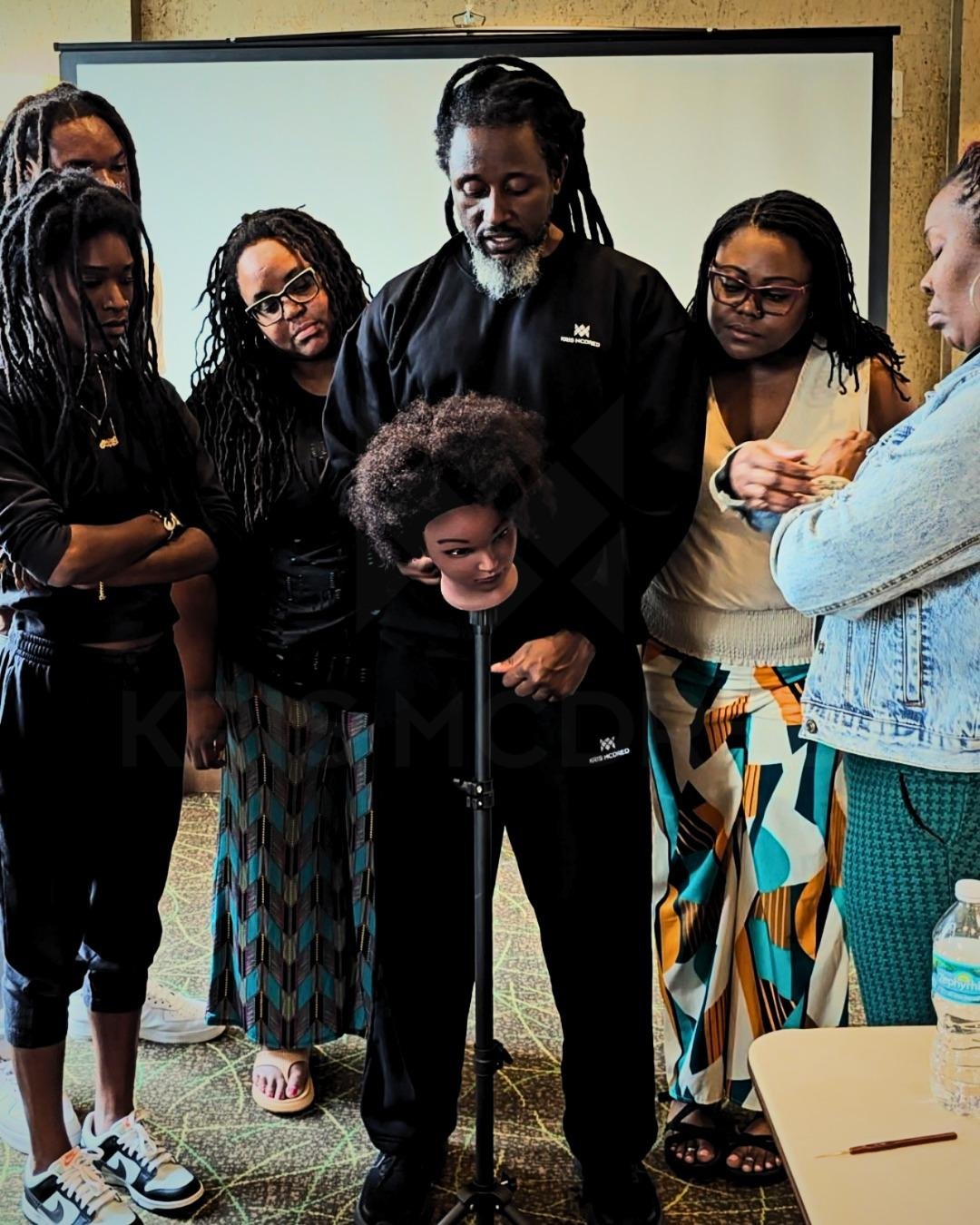
In the world of natural hair and professional loctician services, pre-made extensions have revolutionized the way stylists and clients approach hair styling. They offer convenience, uniformity, and efficiency, allowing hairstylists to provide beautiful, long-lasting styles without compromising quality. However, the challenge for many professionals lies not in using pre-made extensions but in creating and maintaining consistency during their production. Whether you are making these extensions for your own salon or supplying them to other stylists, consistency is crucial for ensuring customer satisfaction and establishing a professional reputation.
Consistency in pre-made extensions production is about more than just making hair pieces look alike. It is about creating a repeatable process that ensures each unit meets the same high standards in terms of length, texture, density, and overall quality. Achieving this requires a combination of technical skill, organized workflow, quality materials, and attention to detail.
Understanding Your Materials
The first step in creating consistent pre-made extensions is understanding the materials you are working with. Hair extensions can be made from synthetic fibers, human hair, or a combination of both. Human hair offers the advantage of being more versatile and natural-looking, but it requires careful selection and processing to maintain uniformity.
When sourcing hair, choose reputable suppliers who can guarantee the quality, color, and texture of the hair strands. Variations in these factors can create inconsistencies that are difficult to correct once production has begun. For synthetic hair, focus on brand reliability and fiber integrity, as some synthetic fibers may tangle or fray faster than others.
Standardizing Measurements
One of the most common inconsistencies in pre-made extensions is variations in length and thickness. To avoid this, establish a standardized measurement system. Decide on the exact lengths and weights for the extensions you want to produce and ensure every unit adheres to these specifications.
Using measuring tools like rulers, hair extension boards, or templates can greatly improve accuracy. Additionally, consider weighing hair bundles to guarantee consistent density. Even small discrepancies in thickness can affect the final appearance and make it difficult for stylists to match the extensions to their clients’ natural hair.
Consistent Techniques
The method you use to create pre-made extensions also plays a critical role in consistency. Popular techniques include braiding, twisting, or crocheting hair into wefts or bundles. Each method has its own nuances, and slight variations can result in units that do not match perfectly.
To combat this, document your process and train anyone assisting you to follow it meticulously. For example, if you are creating crocheted extensions, standardize your pulling technique, loop size, and knot placement. This ensures that every extension maintains the same texture and structure. Professionals like Kris Mcdred emphasize the importance of mastering foundational techniques before attempting large-scale production, as this reduces errors and increases efficiency.
Maintaining a Clean and Organized Workspace
Consistency also depends on your working environment. A cluttered or disorganized space can lead to mistakes, such as uneven sections or tangled hair. Keep your workspace clean, well-lit, and organized with dedicated areas for cutting, measuring, and storing extensions.
Label storage containers clearly to avoid mixing different lengths, colors, or textures. This simple step can save hours of rework and prevent costly errors that compromise the quality of your extensions.
Quality Control Checks
Even with standardized processes, quality control is essential to ensure every unit meets your standards. Set up checkpoints at different stages of production, such as after cutting, braiding, or packaging. Inspect each extension bundle for uniformity in length, texture, and density.
Create a checklist that outlines the specific qualities you expect from each unit. This can include ensuring the ends are neat, the hair is tangle-free, and the weight matches your predetermined specifications. By performing regular quality checks, you can catch inconsistencies early and make necessary adjustments before completing the full batch.
Batch Production vs. On-Demand
When producing pre-made extensions, consider whether batch production or on-demand creation works best for your business model. Batch production involves making multiple units at once, which can be more efficient but requires strict adherence to standardization to avoid errors. On-demand production allows for customization but may require more time and effort to maintain uniformity.
Regardless of the approach, always maintain detailed records of your production methods, materials used, and measurements. This documentation can serve as a reference for future production and help maintain consistency over time.
Color Matching and Processing
Color consistency is another critical aspect of pre-made extensions. Clients expect extensions to match their natural hair or to be uniform when used in sets. When working with dyed or processed hair, maintain consistent coloring techniques, processing times, and chemical ratios.
For human hair, it’s also important to monitor the source of hair batches. Hair collected from different donors may react differently to dyes or treatments, leading to slight variations in color or texture. Keeping track of hair sources and applying the same processing methods to each batch minimizes these inconsistencies.
Storing Extensions Properly
Once your pre-made extensions are complete, proper storage ensures they maintain their quality and consistency until they are used or sold. Store extensions in a dry, cool environment away from direct sunlight to prevent damage or discoloration. Use labeled packaging to differentiate lengths, textures, and colors.
Consider protective measures such as plastic sleeves, zip-lock bags, or boxes with compartments to prevent tangling and maintain the integrity of each bundle. Proper storage not only preserves quality but also makes it easier to retrieve the right extensions for each client, reinforcing your reputation for reliability.
Training and Teamwork
If you have a team assisting with extension production, training is crucial. Ensure that everyone understands your standardized procedures and quality expectations. Conduct workshops or hands-on sessions to reinforce techniques and troubleshoot common errors.
Encouraging open communication among team members helps identify inconsistencies early and fosters a culture of quality. A well-trained team can dramatically increase productivity while maintaining uniformity in every extension produced.
Continuous Improvement
Creating consistency in pre-made extensions production is not a one-time task—it is an ongoing process. Regularly review your methods, materials, and results to identify areas for improvement. Solicit feedback from stylists who use your extensions to ensure they meet practical performance standards.
Adopting new technologies, refining techniques, and staying informed about industry trends can further enhance consistency. Professionals who commit to continuous improvement often see increased client satisfaction, repeat business, and a stronger brand reputation.
Conclusion
Consistency in pre-made extensions production is the cornerstone of professionalism in the hair industry. By standardizing materials, measurements, techniques, and workflows, stylists and producers can ensure each unit meets the same high standards. Regular quality control, proper storage, and team training further enhance uniformity, while continuous improvement helps maintain long-term success.
With dedication, attention to detail, and adherence to best practices, creating consistent pre-made extensions becomes not only achievable but also a defining feature of a professional brand. Professionals like Kris Mcdred demonstrate that mastering these principles can elevate a stylist’s offerings, streamline production, and ultimately build trust with clients and colleagues alike.
Consistency is not just about perfection; it is about reliability, professionalism, and the ability to deliver high-quality products every time. By investing in these practices, extension producers can create products that meet client expectations and stand out in a competitive market.
الأقسام
إقرأ المزيد
Epilepsy Drugs Market Size and Forecast 2026–2034 The global Epilepsy Drugs Market is poised for steady expansion over the next decade, reflecting growing neurological health concerns and advancements in pharmaceutical innovation. According to Renub Research, the market is expected to grow from US$ 7.71 billion in 2025 to US$ 11.48 billion by 2034, registering a compound annual...

Stock trading has long been one of the most accessible and dynamic ways for individuals and institutions to grow their wealth. Whether you’re just starting your investment journey or looking to diversify your portfolio, understanding the essentials of stock markets and having access to reliable trading platforms can make a significant difference in your success. LINK Forex Ltd offers a...

Netflix announces a multi-year creative partnership with acclaimed showrunner Steven S. DeKnight. This agreement will see DeKnight develop new series and various projects for the global streaming platform. DeKnight’s notable work includes serving as showrunner for the inaugural season of Marvel’s Daredevil and creating the epic series Spartacus. His extensive career also features...

For centuries, the spiritual journey of becoming a Hafiz-ul-Quran was deeply rooted in traditional settings. However, the digital era has introduced a transformative approach through online Quran memorization. This modern method has made it possible for Muslims worldwide to pursue this noble goal regardless of their professional commitments or geographical locations. Why Online Quran...

The latest expansion for the Pokémon Trading Card Game Pocket, titled Wisdom of Sea and Sky, has faced some challenges. Following a recent datamine, it was uncovered that the Ho-Oh EX Immersive Rare card bore a striking resemblance to fan-created artwork. This discovery prompted both DeNA and The Pokémon Company to issue an official apology. As a result, the problematic card was...