


Infrared Sauna vs Traditional Sauna Which One Is Right for Your Home and Health Goals
Infrared Sauna vs Traditional Sauna Which One Should You Choose?
When homeowners begin researching wellness upgrades for their property, one of the most common questions they ask is about infrared sauna vs traditional sauna and which option truly delivers the best experience. Both sauna styles provide powerful health and relaxation benefits, yet they operate in very different ways and create unique environments. At Chinook Hot Tubs and Saunas, we regularly help customers compare these two systems so they can confidently choose the one that fits their lifestyle, space, and wellness goals. Understanding how each sauna works, how it feels, and how it impacts your body is the first step toward making an informed investment that enhances both comfort and long term health.
How Does an Infrared Sauna Work Compared to a Traditional Sauna?
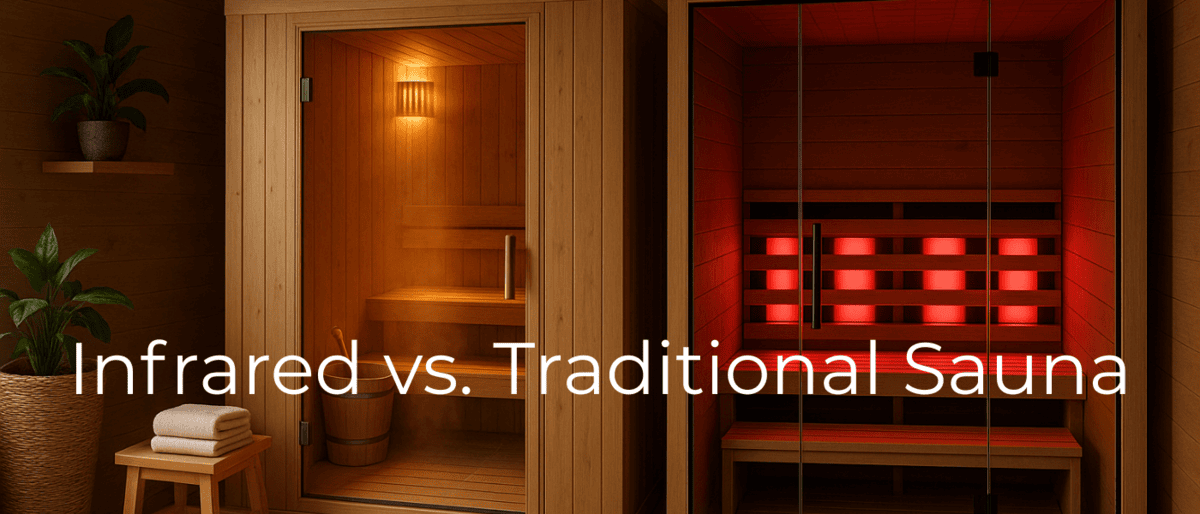
The main difference in the infrared sauna vs traditional sauna debate lies in how heat is generated and delivered. A traditional sauna uses a heater to warm the air inside the room, often with heated rocks that radiate intense dry heat throughout the space. This causes the ambient air temperature to rise significantly, usually between 70 to 100 degrees Celsius, creating a hot environment that warms your body from the outside in. In contrast, an infrared sauna uses infrared light panels to emit radiant heat that directly penetrates the skin without dramatically heating the surrounding air. Because of this, infrared saunas typically operate at lower air temperatures while still producing a deep sweat. This fundamental difference influences comfort levels, session length, and overall experience.
Heat Experience and Comfort Levels
For many people comparing infrared sauna vs traditional sauna, comfort plays a decisive role. Traditional saunas provide an intense, enveloping heat that can feel invigorating and powerful. Some users love the high temperature atmosphere and the immediate sweating response it produces. Others may find the extreme heat challenging, especially during longer sessions. Infrared saunas offer a milder environment in terms of air temperature, which often feels more tolerable for beginners or those sensitive to high heat. Because the warmth penetrates tissues more directly, many users report a deep muscle relaxation effect without the overwhelming sensation of hot air pressing against their skin. At Chinook Hot Tubs and Saunas, we encourage customers to think about how they personally respond to heat when deciding which system best matches their comfort preferences.
Health Benefits and Wellness Goals
Both sauna types are widely recognized for promoting circulation, supporting muscle recovery, and encouraging detoxification through sweating. When evaluating infrared sauna vs traditional sauna for health benefits, it is important to understand that both can contribute positively to overall wellness. Traditional saunas are often praised for their cardiovascular stimulation due to the intense heat, which can temporarily increase heart rate similar to light exercise. Infrared saunas are frequently associated with deeper tissue penetration, which may support muscle relaxation and joint comfort. Many people who ask are hot tubs good for you also explore sauna therapy as part of a complete home wellness system. Combining hydrotherapy with sauna use can create a comprehensive routine that supports stress reduction, improved sleep, and relaxation.
Energy Efficiency and Installation Considerations
Another important factor in the infrared sauna vs traditional sauna discussion is energy usage and installation requirements. Traditional saunas generally require more time to preheat because they must warm the air and surrounding materials to reach high temperatures. This can mean slightly higher energy consumption depending on frequency of use. Infrared saunas heat up more quickly since they do not need to raise the overall air temperature as dramatically. Installation considerations also differ. A traditional sauna may require more ventilation planning and electrical capacity due to the powerful heater, while infrared units often have simpler setup requirements. At Chinook Hot Tubs and Saunas, we guide customers through electrical specifications and space planning to ensure seamless integration into their homes.
Space, Design, and Outdoor Options
Homeowners looking to expand their backyard wellness space often consider incorporating a sauna alongside a spa. Those exploring outdoor sauna building plans frequently weigh infrared sauna vs traditional sauna to determine which design best suits their property layout. Traditional saunas are commonly featured in rustic outdoor cabins or custom built backyard structures, creating a classic Nordic inspired retreat. Infrared saunas can also be installed outdoors but are especially popular for indoor placement due to their compact size and lower ventilation needs. Whether you envision a modern indoor wellness room or a backyard escape paired with a sunrise 780 odyssey hot tub, selecting the right sauna style can elevate both aesthetics and function.
Maintenance and Long Term Care
Maintenance requirements differ slightly between the two systems. Traditional saunas with heated rocks may require occasional stone replacement and routine inspection of heating elements. The wooden interior must be properly cared for to preserve its condition over time. Infrared saunas generally involve maintaining the heating panels and ensuring electrical components remain in good working order. Both systems benefit from regular cleaning and proper ventilation after use. At Chinook Hot Tubs and Saunas, we emphasize the importance of professional guidance not only for installation but also for ongoing care. Just as spa owners research how to decrease alkalinity in hot tub water to maintain balance, sauna owners should understand basic upkeep to protect their investment.
Cost Differences and Value Over Time
Cost is often a key consideration when comparing infrared sauna vs traditional sauna for home installation. Traditional saunas may have higher initial installation costs due to more extensive construction requirements and specialized heaters. Infrared saunas can sometimes offer a more budget friendly entry point, particularly for smaller indoor units. However, long term value depends on how often the sauna is used and how well it aligns with personal wellness goals. When customers visit Chinook Hot Tubs and Saunas, we discuss not only price but overall lifestyle benefits. A thoughtfully chosen sauna can provide years of relaxation and health support, making it a meaningful addition to your home.
Pairing Your Sauna with a Hot Tub Experience
Many homeowners interested in sauna therapy also invest in a hot tub to create a complete hydrotherapy environment. Questions such as are hot tubs good for you often arise alongside sauna comparisons because both options contribute to stress relief and muscle recovery. Alternating between hot water immersion and sauna heat can stimulate circulation and deepen relaxation. If you already own a spa like the sunrise 780 odyssey hot tub, adding a sauna can enhance your backyard retreat. Additionally, access to quality hot tub parts ottawa residents rely on ensures your entire wellness setup remains in peak condition year round. Chinook Hot Tubs and Saunas offers guidance across both spa and sauna solutions, helping customers design cohesive wellness spaces.
Which Sauna Style Matches Your Lifestyle?
Ultimately, the infrared sauna vs traditional sauna decision depends on your personal comfort preferences, health priorities, available space, and budget. If you appreciate intense heat and a time honored sauna ritual, a traditional model may align with your expectations. If you prefer lower air temperatures with direct radiant warmth and quicker startup times, an infrared system might be ideal. Both options provide meaningful wellness advantages and can significantly enhance your daily routine. At Chinook Hot Tubs and Saunas, our mission is to help you make a confident, informed choice that complements your home and supports long term well being.
Investing in a sauna is more than adding a feature to your property. It is about creating a dedicated space for restoration, stress relief, and personal care. By understanding the core differences between these two heating methods and considering how they fit into your broader wellness plan, you can select a system that delivers comfort and value for years to come. Chinook Hot Tubs and Saunas is proud to support homeowners throughout the decision process, ensuring that every customer finds the perfect balance between relaxation, performance, and lasting quality.
Kategorien
Mehr lesen
The Stussy hoodie represents timeless streetwear culture and strong urban identity. Known for its roots in surf and skate culture, Stussy has grown into a global fashion icon. The hoodie reflects creativity, individuality, and confidence. People across the world wear it to express their unique style. Its influence stretches across music, art, and youth culture. Stussy hoodies are not just...

Traveling between LaGuardia Airport and New York City can be stressful without reliable transportation. With Private Transportation Service LGA to Manhattan, LimoTribe delivers a seamless, luxurious, and punctual travel experience designed for discerning travelers. Whether you are a business executive, tourist, or local resident, our professional Airport Transportation solutions ensure comfort,...

Finding the best smm panel in bangladesh is essential for e-commerce brands aiming to scale faster in today’s competitive digital market. Platforms like GetmyFollow are helping online businesses strengthen social proof, increase engagement, and drive sustainable growth across multiple social media channels. Why E-commerce Businesses Need Strong Social Media Presence E-commerce success...

Netflix and BBC Worldwide Announce Renewal of Hit Romantic Comedy Series In an exciting development for fans of quirky romantic comedies, Netflix and BBC Worldwide North America have confirmed that a second season of the popular series featuring Dylan Witter and his romantic misadventures has been greenlit for production. The streaming giant has commissioned an expanded eight-episode second...

A hilarious blend of action and comedy unfolds with Kevin James taking the lead as Sam Larson, an unassuming aspiring writer. His life takes an unexpected turn when his fictional story about an international assassin is mistakenly published as a true account, propelling him into a whirlwind of chaos. The unexpected success of his book results in his sudden kidnapping, transportation across...