


Rice Exporters in Pakistan Transforming the International Rice Market
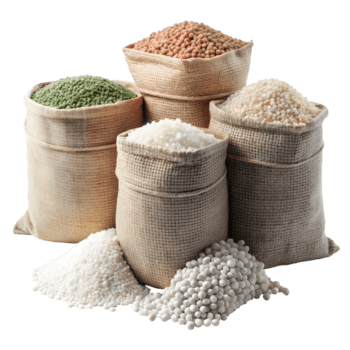
Pakistan has built a powerful reputation in global agriculture, and today rice exporters in Pakistan are transforming the international rice market with quality, innovation, and competitive pricing. Rice is one of Pakistan’s most important export commodities, contributing significantly to foreign exchange earnings and strengthening the agricultural economy. From traditional farming methods to modern export strategies, the industry has evolved rapidly over the years.
Pakistani rice, especially premium Basmati rice, is highly valued for its long grains, rich aroma, and superior taste. Exporters are not only supplying raw rice but also focusing on branding, packaging, and value-added products. With advanced rice processing plants, international certifications, and strong global partnerships, Pakistan has secured a leading position in the worldwide rice trade. This article explores how rice exporters in Pakistan are reshaping global demand, improving quality standards, and expanding into new international markets.
Strong Agricultural Roots Driving Global Excellence
Pakistan’s success in the global rice market begins with its strong agricultural foundation. The fertile lands of Punjab and Sindh provide ideal soil and climate conditions for growing premium rice varieties. Basmati rice, known worldwide for its fragrance and texture, is one of the country’s biggest strengths. Non-Basmati varieties such as IRRI-6 and IRRI-9 also play a vital role in meeting global food demand.
Farmers are adopting improved seeds, better irrigation systems, and modern cultivation techniques to increase productivity. Agricultural research institutions help introduce disease-resistant and high-yield varieties. This ensures consistent supply and high-quality production every season.
Rice exporters in Pakistan work closely with farmers and rice mills to maintain strict quality control from harvesting to packaging. Careful drying, storage, and grading preserve the grain’s natural taste and appearance. This strong connection between agriculture and export businesses allows Pakistan to compete successfully with major rice-exporting countries and maintain long-term relationships with international buyers.
Advanced Processing, Quality Control, and Branding Strategies
One major reason rice exporters in Pakistan are transforming the international rice market is their investment in advanced processing technology. Modern rice mills use automated cleaning, polishing, grading, and color-sorting machines to ensure high purity and uniform grain size. These technologies help meet strict global food safety standards.
Exporters follow international certifications such as ISO, HACCP, and Halal standards to comply with import regulations in Europe, the Middle East, and North America. Quality testing laboratories check moisture content, broken grain percentage, and contamination levels before shipment.
Branding has also become a powerful tool. Pakistani exporters design attractive packaging with vacuum-sealed bags and customized labels for different markets. Strong brand identity increases customer trust and loyalty. By combining quality assurance with professional branding strategies, rice exporters in Pakistan continue to strengthen their competitive edge in the international market.
Expanding Global Reach and Building Strategic Partnerships
Rice exporters in Pakistan are expanding their global footprint by targeting diverse markets worldwide. The Middle East remains a key destination because of strong demand for Basmati rice in traditional cuisine. African countries import affordable non-Basmati rice to meet growing population needs, while European markets demand certified and premium-quality products.
Participation in international food exhibitions and trade fairs allows exporters to connect directly with importers and distributors. Efficient port operations, especially through Karachi, ensure timely delivery of shipments. Strong logistics networks and reliable supply chains further enhance global trust.
Exporters also study global rice price trends, currency exchange rates, and consumer preferences to adjust their strategies. By diversifying export destinations and building long-term partnerships, rice exporters in Pakistan are not only increasing export volumes but also transforming the dynamics of the international rice market.
Categorias
Leia Mais
Harvester Event for Blueprint Acquisition To acquire the Equalizer Blueprint in ARC Raiders, you must engage with the unique Harvester event. This event is not static; it rotates across specific maps, including Dam Battlegrounds, Spaceport, and Blue Gate. Conventional loot containers will not yield this schematic. Your sole opportunities are twofold. First, by successfully solving the...

Methadone is a powerful prescription medication primarily used to treat opioid use disorder and manage chronic pain. Due to its potency and potential risks, it is strictly regulated by healthcare authorities. Many individuals search online to buy methadone online legally and safely, but it is essential to understand the proper procedures, risks, and medical requirements before attempting to...

In the world of modern streetwear and urban fashion, a new name that has quickly gained attention and stirred conversation is Carsicko — a brand that many fashion enthusiasts describe as bold, expressive, and unapologetically unique. Born in the vibrant city of London, United Kingdom, Carsicko has grown from a grassroots street label into a talked‑about cultural movement. But what exactly...

Skin tightening has become one of the most popular cosmetic solutions for people who want firmer, smoother, and younger-looking skin without surgery. With advanced technology and experienced aesthetic clinics, Skin Tightening Treatment in Dubai offers safe and effective options for both face and body. These treatments help reduce sagging, improve skin texture, and boost natural...

在現今的數位娛樂時代,選擇一個可靠且多功能的線上娛樂平台對每一位玩家都至關重要。yygaming 作為行業領先的娛樂平台,不僅提供多樣化的遊戲選擇,還致力於為玩家帶來安全、公平且互動性極佳的遊戲體驗。無論你是新手玩家,還是資深的遊戲愛好者,yygaming 都能滿足你的各種需求,讓你輕鬆體驗線上娛樂的樂趣。 為何選擇 yygaming? 多樣化的遊戲體驗 在 yygaming 平台上,玩家可以找到從經典棋牌遊戲到現代電子競技的各類遊戲。平台精心挑選的遊戲不僅畫面精美、操作流暢,還兼顧了策略性和娛樂性。無論你喜歡挑戰思維的棋牌類遊戲,還是追求速度與刺激的競技遊戲,這裡都能一站滿足。 安全可靠的遊戲環境 對於線上娛樂平台而言,安全性是玩家最關注的問題之一。yygaming...
