Top 12 Tips for Launching Your Crypto Token with Influencers in 2026

Launching a crypto token in 2026 is no longer just about building solid tokenomics and listing on exchanges. The competition has intensified, regulations are evolving, and investors are more informed than ever. In this environment, influencer marketing especially through Key Opinion Leaders (KOLs) has become one of the most powerful strategies for gaining visibility, credibility, and community traction.
From platforms like X (formerly Twitter) and YouTube to Telegram, Discord, and TikTok, influencers shape narratives, drive discussions, and accelerate adoption. However, simply paying influencers to tweet about your token is not enough. A successful token launch requires strategy, compliance, authenticity, and long-term planning.
1. Define Clear Goals Before Approaching Influencers
Before reaching out to any influencer, you must define what success looks like for your token launch. Are you aiming for presale participation, exchange sign-ups, community growth, staking adoption, or long-term brand positioning? Without measurable objectives, influencer campaigns quickly turn into vanity metrics likes, comments, and impressions that do not convert into investors or users.
In 2026, data-driven marketing dominates the crypto space. Crypto influnencer marketing partnerships must align with specific KPIs such as wallet connections, token purchases, whitelist registrations, or NFT mint participation. When your goals are clearly defined, you can structure influencer briefs around actionable outcomes instead of generic promotions. This clarity also helps you negotiate performance-based compensation models rather than flat-fee promotions that deliver uncertain ROI.
2. Identify the Right Type of Crypto Influencers
Not all influencers are suitable for your project. In the crypto ecosystem, you will encounter macro influencers with hundreds of thousands of followers, micro influencers with niche communities, technical educators, traders, meme creators, and Web3 founders. Each category serves a different purpose in your token launch strategy.
For example, trader-focused influencers may drive short-term speculation, while educational creators build long-term credibility. In 2026, micro and mid-tier influencers often generate higher engagement and stronger trust compared to celebrity accounts. Carefully analyze audience demographics, geographic reach, engagement ratios, and previous crypto collaborations. A smaller but loyal audience frequently converts better than a massive but passive following.
3. Prioritize Compliance and Transparency
Crypto regulations are stricter in 2026 than ever before. Governments and financial authorities worldwide are closely monitoring token promotions and influencer disclosures. Platforms like YouTube and X now enforce mandatory disclosure policies for paid financial promotions.
Ensure all influencer collaborations clearly state sponsored partnerships. Transparent communication builds trust and protects your project from legal risks. Work with legal advisors to structure contracts that comply with regional laws, especially if you are targeting markets such as the United States, Europe, or Asia. Compliance is no longer optional it is a foundational pillar of sustainable token launches.
4. Build Authentic Relationships Instead of One-Time Promotions
In 2026, crypto audiences can instantly recognize forced promotions. Influencers who constantly promote new tokens without conviction lose credibility quickly. Instead of one-off posts, focus on building long-term relationships with influencers who genuinely understand your project.
Offer them early access to your whitepaper, tokenomics model, roadmap, and product demos. Invite them to private AMAs and strategy calls. When influencers feel involved in the journey, their content becomes more authentic and persuasive. Long-term collaborations also allow consistent storytelling, which is essential for building trust before, during, and after the token launch.
5. Educate Influencers About Your Tokenomics
A major mistake many projects make is assuming influencers already understand complex token structures. In reality, even experienced crypto creators may misinterpret supply models, vesting schedules, or staking rewards if not properly briefed.
Provide detailed documentation explaining token allocation, utility, governance mechanisms, and revenue models. If your project uses advanced concepts like Real World Asset tokenization or AI-based protocols, ensure influencers can explain them clearly. Well-informed influencers produce educational content that builds confidence rather than hype-driven speculation.
6. Use Multi-Platform Campaigns for Maximum Reach
In 2026, crypto communities are fragmented across platforms. Some investors rely on X threads for updates, others prefer in-depth breakdowns on YouTube, while younger audiences discover projects through TikTok or Instagram Reels.
A successful influencer strategy integrates multiple channels. For example, a YouTube review can be supported by short-form TikTok highlights, X threads summarizing tokenomics, and Telegram community discussions. Cross-platform storytelling reinforces your brand message and increases recall value. Instead of relying on one viral post, build a coordinated campaign that guides users through awareness, interest, and action.
7. Leverage AMAs and Live Sessions for Trust Building
Ask Me Anything (AMA) sessions remain one of the most powerful formats in crypto marketing. Hosting live sessions on Telegram, Discord, or YouTube enables direct interaction between your team and potential investors.
Influencers can moderate these sessions, ask critical questions, and bridge the gap between your project and the audience. Live discussions humanize your brand and reduce skepticism. In 2026, communities value transparency and accountability. A well-structured AMA, supported by influencer credibility, can significantly boost whitelist registrations and token presale participation.
8. Integrate Influencer Marketing with Community Building
Influencer campaigns should not exist in isolation. Every promotion must drive users toward a controlled ecosystem your website, Discord server, Telegram group, or email list. Without community integration, traffic disappears after the campaign ends.
Encourage influencers to invite their followers into your community spaces. Offer exclusive rewards such as whitelist spots, NFT airdrops, or staking bonuses for those who join via influencer referral links. This approach transforms temporary attention into long-term engagement. In 2026, community strength is often a stronger predictor of token success than initial marketing spend.
9. Focus on Storytelling Rather Than Hype
The era of exaggerated promises is over. Investors have experienced multiple bull and bear cycles and are more skeptical of unrealistic claims. Instead of promoting guaranteed returns or moonshot narratives, position your token within a compelling story.
Explain the problem your project solves, the market opportunity, and the long-term vision. Influencers who focus on storytelling create deeper emotional connections with their audience. Educational breakdowns, founder interviews, and behind-the-scenes content resonate more strongly than generic “next 100x gem” posts. Sustainable credibility outperforms short-term hype in 2026.
10. Implement Performance Tracking and Analytics
Modern influencer campaigns rely heavily on analytics. Track referral links, wallet interactions, conversion rates, and engagement metrics. Use custom tracking URLs, UTM parameters, and affiliate dashboards to measure impact accurately.
In 2026, many projects adopt hybrid compensation models combining upfront payments with performance bonuses based on measurable outcomes. This incentivizes influencers to produce high-quality content rather than minimal promotions. Data-driven evaluation also helps you identify which creators generate long-term holders instead of short-term traders.
11. Diversify Influencer Tiers to Reduce Risk
Relying on a single high-profile influencer is risky. If their reputation suffers or engagement drops, your campaign loses momentum. Instead, diversify across macro, mid-tier, and micro influencers.
Macro influencers generate massive awareness. Mid-tier creators drive balanced engagement. Micro influencers foster tight-knit communities with strong trust levels. By combining different tiers, you create layered exposure and reduce dependency on any single voice. Diversification also helps you target multiple geographic markets simultaneously.
12. Maintain Post-Launch Engagement with Influencers
Influencer marketing should not end once your token lists on exchanges. Post-launch volatility often determines a project’s reputation. Continued engagement through updates, roadmap milestones, product releases, and partnership announcements keeps your community informed.
Collaborate with influencers for quarterly updates, staking tutorials, governance voting guides, and ecosystem expansions. Long-term communication reinforces investor confidence and supports price stability. In 2026, sustainable growth depends on consistent messaging rather than short-term promotional spikes.
Conclusion
Launching a crypto token with influencers in 2026 requires far more than paying for tweets or sponsored videos. It demands strategic planning, regulatory awareness, authentic relationships, cross-platform storytelling, and measurable performance tracking. As crypto audiences become increasingly sophisticated, they value transparency, education, and long-term vision over hype.
By defining clear goals, selecting the right influencers, ensuring compliance, leveraging multi-channel campaigns, and maintaining post-launch engagement, you position your token for sustainable growth. Influencer marketing remains one of the most powerful tools in Web3 but only when executed with precision, integrity, and a community-first mindset.
Categories
Read More
A data miner specializing in Marvel Rivals has uncovered evidence suggesting the presence of an Overwatch 2-inspired loot box mechanic within the upcoming Season 4 game files. Loot boxes are a familiar feature in many live service titles, often generating controversy among players. Although Marvel Rivals does not currently include such a system, assets and icons related to loot boxes were...

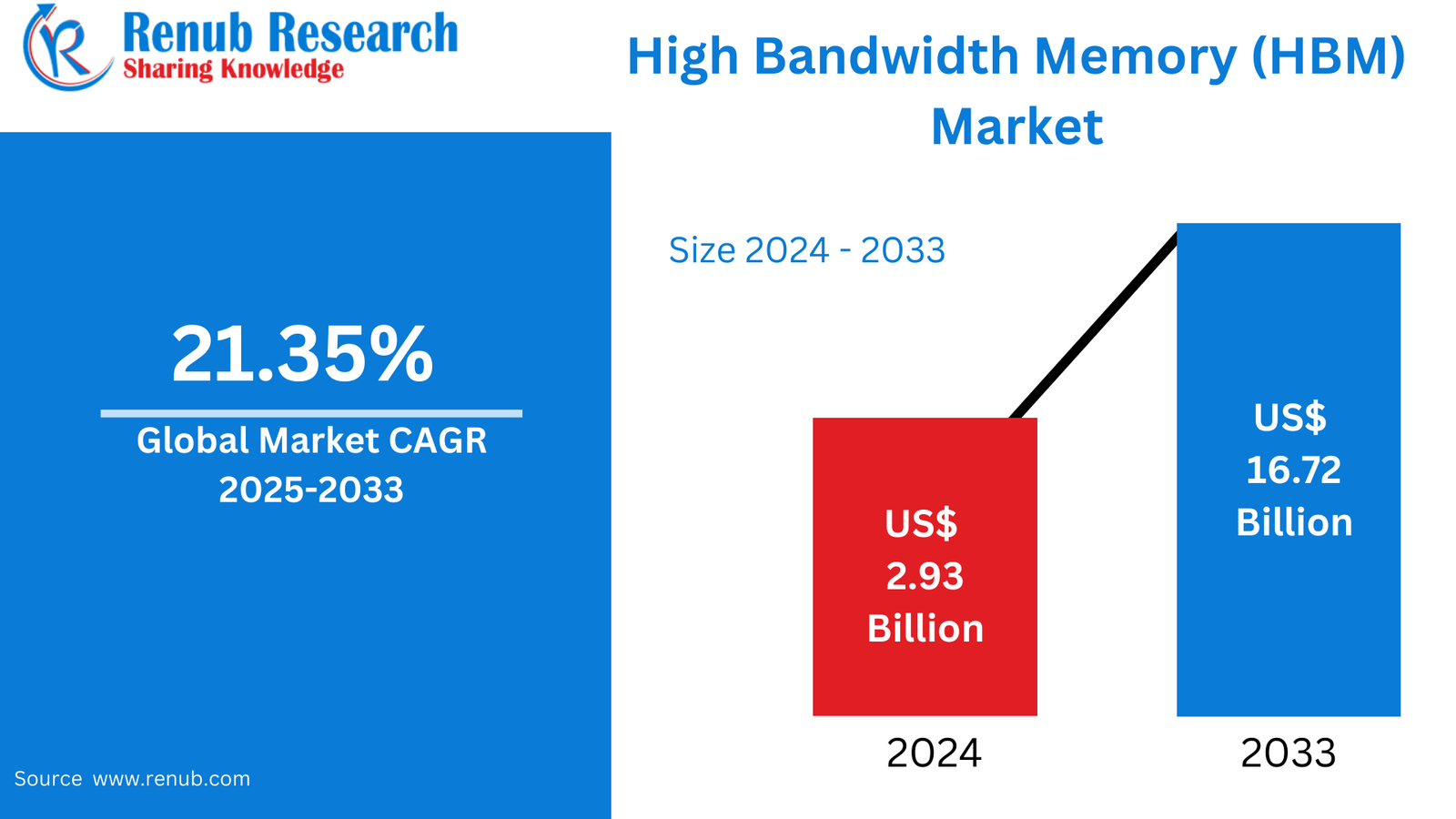
High Bandwidth Memory Market Size and Forecast 2025–2033 According To Renub Research High Bandwidth Memory (HBM) Market is witnessing exponential growth as computing systems worldwide shift toward data-intensive, high-performance architectures. Valued at US$ 2.93 billion in 2024, the market is forecast to reach US$ 16.72 billion by 2033, expanding at a robust CAGR of 21.35% from 2025 to...
USA Study Visa Consultant in Lahore The United States remains one of the most preferred destinations for Pakistani students due to its diverse academic programs and globally recognized degrees. However, US study visa requirements involve detailed documentation, interviews, and strict timelines. An experienced education consultant in Lahore helps students manage these steps with clarity...

Over the years, I've been lucky enough to build strong friendships through MMOs. However, these friendships aren’t the main reason I play. Even if every friend I made in Final Fantasy XIV stopped playing, I’d still find joy in the game itself. And hopefully, those friendships would last beyond the virtual world. That said, not everyone feels this way. Some friends have told me they...
There’s something about a great pizza shop that makes you come back again and again. You walk in for the first time, curious, maybe a little hungry. You see the menu, the smell hits you, and the staff greets you with a smile. And then you taste that first slice. Something clicks. You know you’ll be back. Domino’s Pakistan is one of those pizza shops. From the moment you step...