


Why Does Your AR/VR Headset Feel Heavy? Pancake Optical Module Explained
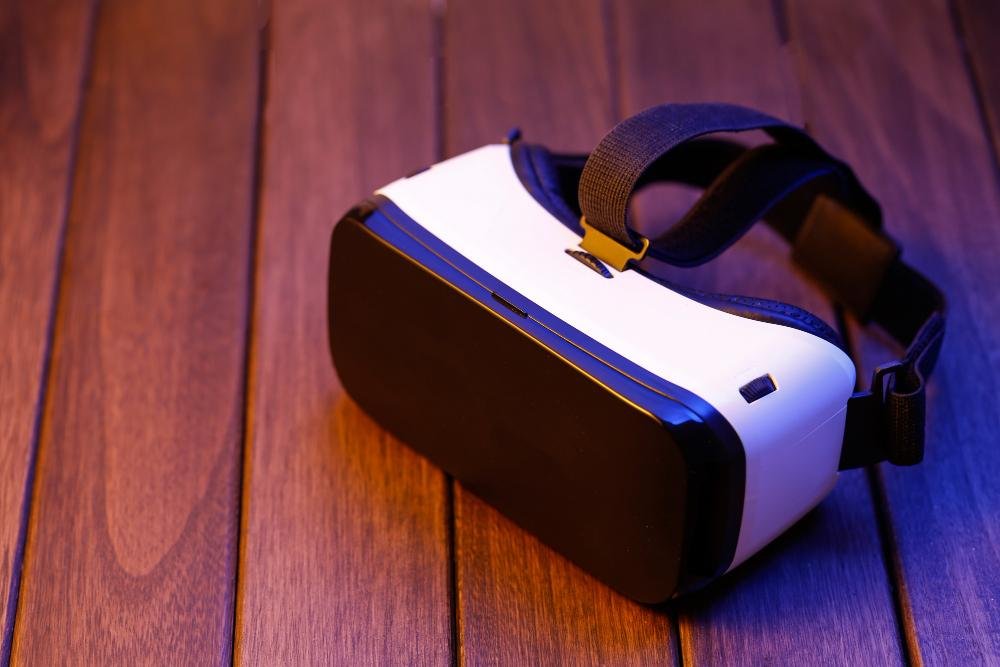
Modern AR and VR devices are becoming more powerful, but many users still complain about discomfort during long sessions. One major reason is poor optical design inside the headset. If your device feels bulky, heavy, or causes eye fatigue quickly, the issue may be related to the quality of the Pancake optical module.
Traditional optical systems inside wearable displays often increase thickness and weight. This affects portability and viewing comfort. Advanced Pancake optical module technology solves this problem by using folded optical paths to reduce device size while maintaining image clarity.
Let’s explore the real pain points users experience.
Is Your AR/VR Headset Too Heavy for Long Use?
Weight is one of the biggest complaints among headset users. If you feel pressure around your nose, forehead, or cheeks after using a device for some time, it indicates poor ergonomic optical design.
Conventional lens structures require more space, which increases headset bulkiness. The pancake optical system uses a compact light folding mechanism that significantly reduces device thickness.
A high-quality Pancake optical module helps manufacturers build lightweight headsets that are comfortable for gaming, training, and professional applications.
Are You Experiencing Eye Strain During Extended Viewing?
Eye fatigue is another serious problem in wearable display systems. Many users feel dryness, discomfort, or headache after continuous AR/VR use.
This happens when optical projection is not properly calibrated. Poor contrast ratio, uneven brightness, and incorrect focal alignment force the eyes to work harder.
Modern pancake optical technology improves image convergence and light distribution. By optimizing optical distance and projection precision, it reduces unnecessary eye movement and improves viewing relaxation.
Better optical engineering helps maintain natural visual focus, which is essential for immersive experiences.
Is Image Clarity Worse at the Edges?
Some headset users notice that the center of the display looks sharp while the edges appear slightly blurred or distorted.
This optical limitation is often caused by inferior lens stacking and improper refractive control. Advanced pancake lens architecture uses precision coating and optimized curvature design.
When the optical path is properly engineered, light travels efficiently through the system, maintaining uniform sharpness across the viewing area. This is especially important for simulation, gaming, and industrial visualization.
Do You Feel Delay Between Head Movement and Display Response?
Motion-to-photon delay can break immersion and cause discomfort. If head movement and visual response are not synchronized, users may feel dizziness or visual mismatch.
High-performance optical modules work together with processing electronics to reduce perceived latency. Although software processing plays a role, optical efficiency is equally important.
A reliable Pancake optical module ensures smooth visual transition and stable projection quality.
Is Your Device Still Too Bulky for Modern Applications?
Portability is a major demand in AR/VR technology. Whether you are designing consumer headsets or industrial visualization tools, compactness matters.
Pancake optical systems allow manufacturers to reduce device thickness without sacrificing visual performance. This is why many next-generation wearable displays are adopting folded optical architecture.
If your device feels outdated or uncomfortable, upgrading optical components can significantly improve user satisfaction.
The Smart Choice for Next-Generation Display Performance
If your headset causes discomfort, blur issues, or heaviness during use, the optical core may be the main factor. The pancake optical solution provides better compactness, clarity, and viewing comfort.
Choosing a high-quality Pancake optical module ensures improved ergonomics, better image stability, and enhanced immersive experience. Whether for gaming, professional AR work, or simulation training, advanced optical technology plays a key role.
Categories
Read More
Compétences et stratégies d'Ifa Ifa, souvent appelé Saurovéto, est bien plus qu’un simple vétérinaire. En plus de ses compétences médicales, il est aussi un combattant redoutable. Ce guide vous expliquera comment exploiter au mieux ses talents en jeu. Dernière mise à jour : version 5.8. Reconnue à travers...

Introduction About Estêvão Willian Almeida Estêvão Willian Almeida is a promising Brazilian football talent known for his dynamic performances as a right midfielder. Born in Franca, São Paulo, in April 2007, he began honing his skills at a young age, joining the Cruzeiro youth academy when he was just ten. His early dedication and impressive technical abilities...
Chevrolet has earned a reputation for durable engineering, broad appeal, and dependable performance — qualities that help it remain a reliable choice worldwide. If you want to see the full reasons behind Chevrolet’s enduring reliability and global automotive impact, check out this in‑depth review. From rugged trucks to efficient sedans and versatile SUVs, Chevrolet has built trust...

Fashion has always been a reflection of society, culture, and individual identity. Among the many fashion movements that have shaped the modern world, streetwear stands out as one of the most influential and dynamic styles. Umrah Package What began as an underground movement rooted in youth culture has grown into a global fashion phenomenon embraced by luxury brands, celebrities, and...

In recent weeks, several companies embracing generative AI have focused on recreating popular video games, often with mixed results. One notable example was Google's Project Genie, a tool that allowed users to generate virtual worlds through simple prompts. Naturally, it was soon used to produce rough versions of titles like Dark Souls and the unreleased Grand Theft Auto 6. Now, Roblox has...