United States Honey Market Forecast 2026–2034: Natural Sweetener Demand Fuels Steady Growth
The United States honey market is entering a new era of steady expansion, powered by rising consumer preference for natural sweeteners, growing health awareness, and increasing demand for organic and raw honey products. As households and industries shift away from refined sugar and artificial alternatives, honey is reclaiming its place as a trusted, multifunctional ingredient across food, beverages, pharmaceuticals, and personal care.
According to Renub Research, the United States Honey Market is projected to grow from US$ 2.73 Billion in 2025 to US$ 3.58 Billion by 2034, expanding at a Compound Annual Growth Rate (CAGR) of 3.06% from 2026 to 2034. This measured yet resilient growth reflects honey’s enduring relevance in an evolving consumer landscape.
Honey: From Ancient Sweetener to Modern Functional Ingredient
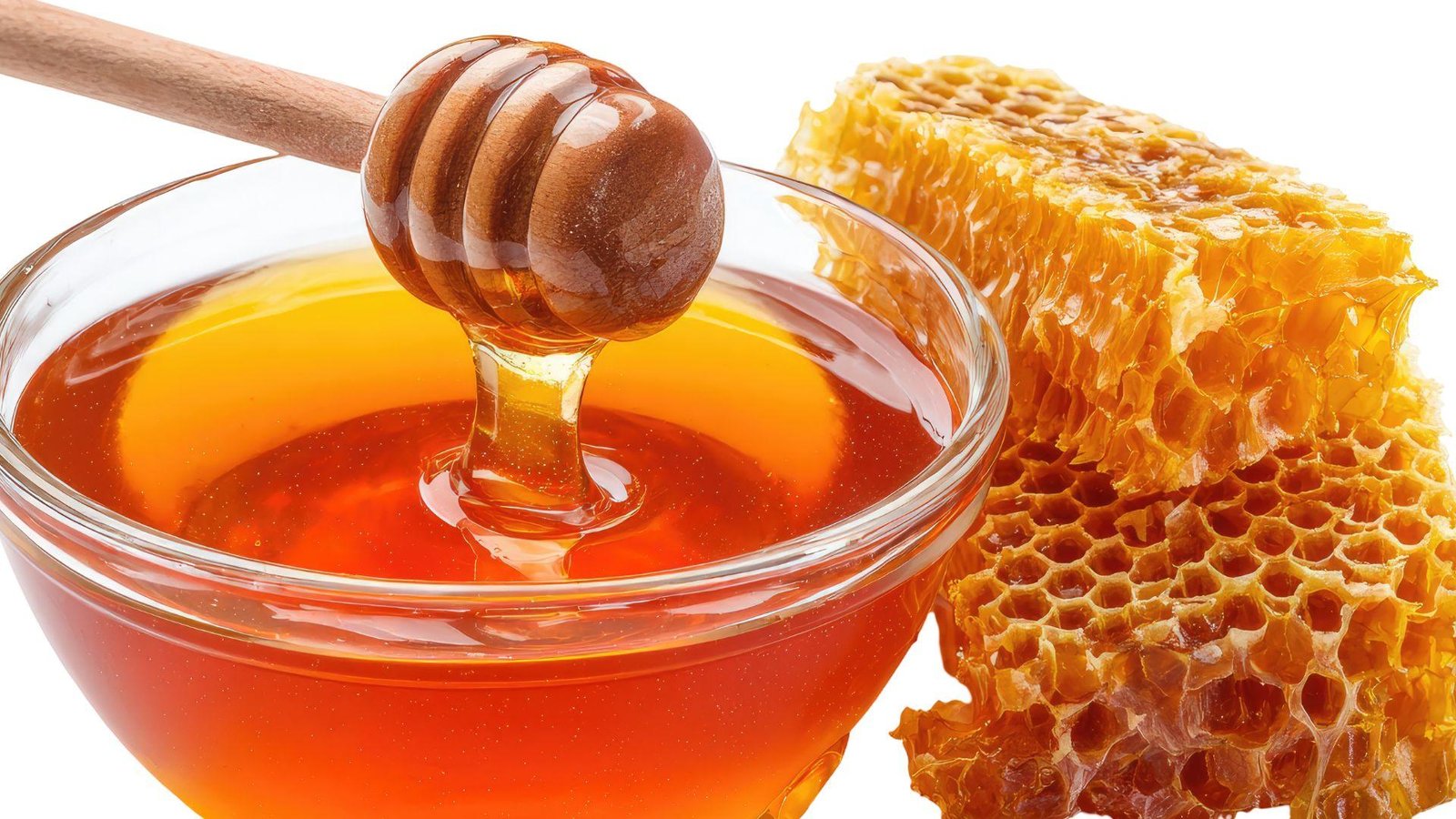
Honey is a natural sweetener produced by bees from flower nectar. Through enzymatic activity and evaporation within honeycombs, nectar transforms into a nutrient-rich product valued for its sweetness, antioxidants, vitamins, minerals, and antibacterial properties.
Beyond being a sugar substitute, honey has become a multifunctional ingredient used in:
-
Food and beverage manufacturing
-
Health supplements and cough syrups
-
Skincare and cosmetic formulations
-
Baking and culinary applications
In the United States, honey’s popularity is closely tied to the broader “clean-label” movement. Consumers increasingly favor products that are minimally processed and free from artificial additives. Honey’s natural origin and functional health benefits position it as a preferred ingredient across industries.
Market Overview: Steady Expansion Through 2034
The forecast growth from US$ 2.73 Billion in 2025 to US$ 3.58 Billion by 2034 underscores consistent demand rather than volatile spikes. Unlike short-lived health trends, honey enjoys long-term consumer trust and cross-industry utility.
Key factors shaping this growth include:
-
Rising awareness of honey’s immune-support properties
-
Increased substitution of refined sugar with natural alternatives
-
Expansion of organic and specialty honey varieties
-
Growth in functional beverages and wellness products
-
Domestic production of high-quality honey
As consumer purchasing behavior leans toward natural and transparent food sources, honey remains well-positioned within both premium and conventional segments.
Growth Drivers of the United States Honey Market
1. Increasing Preference for Natural and Organic Sweeteners
Health-conscious consumers are actively reducing their intake of refined sugar amid rising concerns about obesity, diabetes, and metabolic disorders. Honey, with its natural antioxidants and antibacterial properties, is widely perceived as a healthier alternative.
The clean-label trend has strengthened this shift. Shoppers increasingly examine ingredient lists, preferring recognizable and minimally processed components. Organic and raw honey variants are especially popular among wellness-focused consumers.
Food and beverage manufacturers are responding accordingly. Many brands now prominently feature honey as a natural sweetener in cereals, granola bars, teas, and sauces to meet consumer expectations.
In early 2024, Honey Co. formed a strategic partnership with Wholesome Sweeteners to expand its organic offerings and diversify its product portfolio—reflecting the industry’s focus on premium natural products.
2. Expanding Applications Across Industries
Honey’s versatility continues to unlock new growth avenues. Its applications extend far beyond traditional household consumption.
Food Industry:
Used in baked goods, breakfast cereals, snacks, sauces, and dressings, honey enhances both flavor and texture.
Beverage Sector:
Honey is increasingly used in herbal teas, flavored beverages, and energy drinks due to its natural sweetness and perceived health benefits.
Pharmaceuticals:
Thanks to its antibacterial and soothing properties, honey is widely used in cough syrups, throat lozenges, and wound-care products.
Personal Care:
Moisturizing and anti-inflammatory properties make honey a popular ingredient in skincare creams, face masks, and shampoos.
The Specialty Food Association’s Summer Fancy Food Show in New York City in 2025 highlighted innovative honey-infused blends and single-origin sweeteners, signaling continued product diversification in the premium segment.
3. Rising Demand for Premium, Raw, and Specialty Honey
American consumers are showing growing interest in specialty honey varieties such as:
-
Raw honey
-
Organic honey
-
Manuka honey
-
Buckwheat honey
-
Local wildflower honey
These products are perceived as more nutritious and less processed compared to conventional honey. Specialty varieties often command premium pricing, contributing positively to overall market value growth.
In January 2024, Honey Co. launched “Honey Drops,” a convenient single-serve honey packet designed for portability and portion control. Innovations like these are reshaping product accessibility and appeal.
Premiumization remains a significant value driver, particularly in health food stores, e-commerce platforms, and upscale retail outlets.
Market Challenges Impacting Growth
Despite strong fundamentals, the U.S. honey market faces notable challenges.
Declining Bee Population and Environmental Pressures
Honey production relies directly on healthy bee populations. However, environmental challenges such as:
-
Climate change
-
Pesticide exposure
-
Habitat loss
-
Colony Collapse Disorder
have significantly impacted bee health and colony survival rates.
Fluctuating weather patterns also affect nectar availability, directly influencing honey yields. Beekeepers are increasingly investing in sustainable practices to maintain colony health, which raises operational costs.
If bee population decline persists, supply constraints could influence price volatility and production capacity.
Low-Cost Imports and Honey Adulteration
The availability of cheaper imported honey presents competitive pressure for domestic producers. Imported honey may be priced lower, creating market competition for U.S.-based beekeepers.
Additionally, adulteration—where honey is diluted with syrups or added sugars—remains a reputational risk. Consumers are becoming more informed about product authenticity and origin transparency. This trend favors reputable domestic producers but also requires stricter quality control and labeling standards.
Brand differentiation, traceability, and premium positioning are key strategies for local producers navigating import competition.
Segment Analysis
United States Food & Beverage Honey Market
The food and beverage segment is the largest application area for honey in the U.S. market. Rising demand for natural sweeteners in functional foods and beverages supports steady expansion.
Manufacturers increasingly incorporate honey into:
Honey’s ability to enhance taste while adding nutritional value makes it a preferred ingredient. As demand for functional foods grows, honey’s inclusion in fortified and wellness-oriented products is expected to increase.
Honey Bottles Market
Convenient packaging solutions, especially squeeze bottles, are gaining traction. Consumers prefer packaging that ensures ease of use and minimal waste.
Manufacturers are introducing:
Retail expansion and e-commerce growth are further boosting packaged honey sales. Packaging innovation enhances brand visibility and supports product freshness and hygiene.
Organic Honey Market
Organic honey represents one of the fastest-growing segments within the broader market. Consumers seeking chemical-free, pesticide-free products are willing to pay premium prices.
Organic honey is used extensively in:
-
Clean-label foods
-
Wellness beverages
-
Natural cosmetics
Availability through supermarkets, specialty retailers, and online platforms is improving accessibility, strengthening market momentum.
Conventional Honey Market
Conventional honey remains dominant in terms of volume due to affordability and wide availability. It is widely used in households, food processing, and commercial applications.
While premium segments grow, conventional honey continues to anchor overall market stability.
Convenience Stores as a Distribution Channel
Convenience stores play a vital role in honey distribution, particularly for bottled and single-serve formats. Busy consumers often purchase honey products alongside beverages and snacks.
Strategic shelf placement and attractive packaging drive impulse purchases. Expansion of convenience retail networks further enhances product reach.
Regional Insights
California
California stands as one of the top honey-producing states due to favorable climatic conditions and extensive agricultural activity, particularly almond farming. Commercial beekeeping operations support both honey production and crop pollination.
Growing demand for organic and locally sourced honey further strengthens California’s market contribution.
New York
New York’s honey market benefits from strong demand for local and artisanal products. Farmers’ markets, specialty food stores, and urban beekeeping initiatives support local honey sales.
Health-conscious consumers drive demand for organic and sustainable honey products.
Washington
Washington’s diverse flora and orchard-based agriculture contribute to high-quality specialty honey varieties. Strong retail and online distribution networks support regional growth.
Georgia
Georgia’s warm climate and diverse plant species provide ideal conditions for honey production. Increasing awareness of sustainable agriculture and bee conservation further supports market development.
Competitive Landscape
The U.S. honey market features both domestic producers and international brands. Key companies include:
Competition centers on product authenticity, premium positioning, innovation, and sustainable sourcing practices. Companies are increasingly investing in branding, traceability, and organic certifications to maintain competitive advantage.
Market Outlook Through 2034
With a projected CAGR of 3.06% from 2026 to 2034, the U.S. honey market reflects steady, long-term growth rather than rapid expansion.
Key trends likely to shape the future include:
-
Continued clean-label consumer movement
-
Growth in organic and specialty segments
-
Rising demand for functional foods
-
Sustainable beekeeping initiatives
-
Increased packaging innovation
While environmental and import challenges remain, honey’s strong brand perception as a natural and functional ingredient ensures continued relevance.
Final Thoughts
The United States honey market demonstrates resilience and adaptability in a competitive sweetener landscape. Forecasted to grow from US$ 2.73 Billion in 2025 to US$ 3.58 Billion by 2034, the industry is benefiting from rising demand for natural, organic, and premium food ingredients.
Although environmental pressures and import competition present challenges, innovation, sustainability, and consumer trust provide a solid foundation for growth.
As health-conscious consumption patterns continue to influence purchasing behavior, honey’s role as a natural, multifunctional ingredient will likely strengthen—making it a stable and attractive segment within the broader U.S. food and wellness industry.