


Art in the Open: Protecting Large-Scale Metal Sculptures
Public art enhances our cities, parks, and corporate campuses. Large-scale metal sculptures—whether abstract steel forms or kinetic aluminum structures—are designed to engage with the public. However, placing art outdoors subjects it to a relentless assault from UV rays, acid rain, bird droppings, and human interaction. Unlike a painting in a climate-controlled museum, outdoor sculpture must be its own shelter.
For curators and municipalities, the maintenance of these pieces is a constant concern. When a sculpture begins to fade or rust, it loses the artist's intent. It becomes an eyesore rather than an inspiration. The challenge is to protect the work without altering its aesthetic character. High-performance industrial coatings have become the medium of choice for conservation, offering a way to preserve the art for future generations.
UV Stability and Color Retention
The primary enemy of outdoor art is the sun. Ultraviolet radiation breaks down the chemical bonds in pigments, causing vibrant reds to turn pink and deep blues to chalk. A faded sculpture lacks the visual impact it was designed to have.
When commissioning conservation work or new installations, specifying Powder Coating NJ services with "super durable" polyesters is critical. These architectural-grade powders are formulated to resist UV degradation for decades. They retain their gloss and color depth far longer than liquid paints. This ensures that the sculpture looks as vibrant ten years after installation as it did on the day of the unveiling, respecting the artist's original vision.
Vandalism and Graffiti Resistance
Public art is, unfortunately, a target for graffiti. Removing spray paint from a textured or porous surface can damage the artwork. Solvents can smear the tag or dissolve the underlying paint.
Powder coating provides a robust defense. Its chemical resistance allows for the use of stronger cleaning agents to remove graffiti without harming the finish. Furthermore, clear anti-graffiti powder topcoats are available. These create a non-stick surface where spray paint cannot bond effectively, allowing it to be wiped off with simple citrus cleaners. This protective layer is invisible to the viewer but essential for the longevity of the piece in an urban environment.
Corrosion Protection for Structural Steel
Many large sculptures are essentially steel buildings. They have internal armatures and weld points that are susceptible to rust. If water enters the sculpture, it can rust from the inside out, leading to structural failure and potential safety hazards for the public.
Restoration involves sandblasting the piece to remove corrosion and then applying a zinc-rich primer powder. This acts as a sacrificial anode, preventing rust creep even if the topcoat is scratched. This level of protection is vital for kinetic sculptures where moving parts rub together, or for pieces installed near the coast where salt air is a factor.
Honoring the Artist's Texture
Not all sculptures are smooth. Some artists desire a rough, industrial look, while others want a mirror finish. The versatility of powder coating allows conservators to match the original texture.
From "cortens" powders that mimic the look of rusted steel (without the actual rust runoff) to metallic sparkles and matte finishes, the range is exhaustive. We can create custom sample plates to compare against the original work, ensuring that the restoration is faithful to the art. It allows us to protect the material while preserving the aesthetic soul of the sculpture.
Conclusion
Public art is a community asset. Protecting it requires a blend of artistic sensitivity and industrial engineering. By utilizing advanced coating technologies, we ensure that these cultural landmarks remain vibrant, safe, and beautiful for everyone to enjoy.
Call to Action
Preserve the beauty of public art. Partner with coating specialists who understand the delicate balance of conservation and durability.
Visit: https://rustylions.com/
Catégories
Lire la suite
The GRE Analytical Writing Assessment (GRE AWA) section can be a daunting challenge for many test-takers. Designed to evaluate critical thinking and written communication skills, the AWA comprises one task: the “Issue Task.” Mastering this essay is essential to achieving a competitive score and demonstrating your ability to articulate and analyze ideas effectively. This guide...

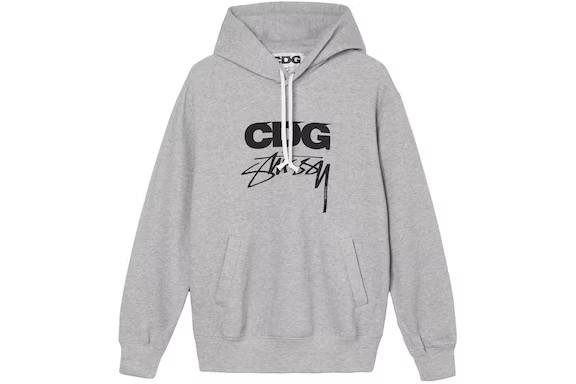
Streetwear is no longer just a fashion trend; it has evolved into a lifestyle statement. Among the countless pieces that define modern urban fashion, the stussy hoodie stands out as an icon of effortless cool. Known for its relaxed silhouette, bold graphics, and cultural influence, the Stussy 8 Ball Hoodie blends comfort with personality in a way few garments can. Whether spotted in skate...
In today’s digital-first environment, a website is more than just an online presence it is the backbone of a business’s digital operations. However, building a website is only the beginning. To keep it secure, functional, and competitive, ongoing website maintenance is essential. Businesses that invest in professional website maintenance services ensure their websites remain...

Construction, renovation, or land development, the initial step is often one of the most critical: site clearance. Selecting a professional and reliable service can save you time, money, and potential legal issues. If you are searching for site clearance in Leeds, it’s important to understand what factors to consider to ensure you hire the right team for the job. Understanding Site...

Starting a business is often described as an exciting journey. In reality, it is also uncertain, mentally demanding and filled with decisions that rarely have clear answers. Many startups do not fail because of bad ideas or lack of effort. They fail because founders make difficult decisions in isolation. This is where founder communities quietly change outcomes. Instead of operating alone,...