Types of Employment Contracts: A Complete Guide for Global Hiring
When expanding your team internationally, understanding the different types of employment contracts is essential. Each country has specific labor laws that define how employees can be hired, compensated, and terminated. For global companies, choosing the right contract type ensures compliance, protects both employer and employee, and supports long-term growth.
At WorkMotion, businesses can hire talent worldwide while staying compliant with local regulations. Here’s a breakdown of the most common employment contract types used across global markets.
1. Permanent (Indefinite) Employment Contracts
A permanent employment contract has no fixed end date. It is the most common contract type worldwide and provides job security for employees.
Key features:
-
No predetermined end date
-
Full employment benefits (health insurance, paid leave, social security)
-
Notice periods required for termination
-
Strong employee protection under labor laws
Permanent contracts are ideal for long-term roles and core team members.
2. Fixed-Term Contracts
A fixed-term contract has a defined start and end date. These contracts are commonly used for project-based roles, seasonal work, or temporary replacements.
Key features:
-
Clear contract duration
-
May include renewal options
-
Limited-term employment rights (depending on country)
-
Automatically ends on the agreed date
Many countries regulate how often fixed-term contracts can be renewed before they must convert to permanent employment.
3. Part-Time Contracts
Part-time contracts are for employees who work fewer hours than full-time staff.
Key features:
-
Reduced weekly working hours
-
Pro-rated salary and benefits
-
Legal protections similar to full-time employees
Part-time contracts are popular for flexible roles or businesses managing varying workloads.
4. Temporary Employment Contracts
Temporary contracts are typically arranged for short-term needs. Sometimes workers are hired through staffing agencies.
Key features:
-
Short duration
-
Often project-specific
-
May involve third-party employment agencies
This contract type offers flexibility but may have stricter labor regulations in some jurisdictions.
5. Freelance or Independent Contractor Agreements
Unlike traditional employment contracts, independent contractor agreements apply to self-employed individuals providing services to a company.
Key features:
-
Contractor manages their own taxes and benefits
-
Greater flexibility
-
Less employer control over working hours and processes
-
Risk of misclassification if not structured properly
Companies must ensure compliance with local classification laws to avoid penalties.
6. Zero-Hour Contracts
Zero-hour contracts do not guarantee a minimum number of working hours. Employees work only when needed.
Key features:
-
Flexible scheduling
-
Payment only for hours worked
-
Legal restrictions vary by country
These contracts are more common in certain regions and industries.
Why Choosing the Right Employment Contract Matters
Selecting the correct employment contract impacts:
-
Legal compliance
-
Employee satisfaction
-
Tax and social security obligations
-
Termination procedures
-
Overall workforce stability
For companies hiring across borders, navigating country-specific employment laws can be complex. That’s where WorkMotion supports businesses by handling local compliance, payroll, and contract management—making global hiring simple and risk-free.
Final Thoughts
Understanding the different types of employment contracts helps businesses build compliant, scalable, and flexible global teams. Whether hiring permanent employees, fixed-term staff, or independent contractors, aligning contract types with business goals and local labor laws is critical for long-term success.
If you're planning to expand internationally, choosing the right employment structure is the first step toward sustainable global growth.
Kategorien
Mehr lesen
In 2013, a scandal known as the "Baby Squillo Affair" shocked Italy when it was revealed that two teenage girls, aged 14 and 15, had engaged in prostitution with over fifty adult men. Among their clients were prominent figures in Italian society, including Mauro Floriani, a former officer of the financial police and the spouse of Alessandra Mussolini, a member of parliament and granddaughter...

Introduction Running a growing medical practice comes with many challenges, from expanding patient volumes to ensuring timely reimbursements. One of the most critical yet often overlooked aspects of practice management is revenue cycle efficiency. Medical Billing Services play a vital role in supporting growing practices by streamlining billing processes, improving cash flow, and reducing...

The automobile service industry has changed dramatically in recent years. Today’s customers are more informed, tech-savvy, and convenience- Umrah Packages driven umrah than ever before. Modern drivers no longer see vehicle servicing as just a routine task—they expect a seamless, transparent, and reliable experience. To stay competitive, automobile service providers...

The mining industry is entering a decisive phase in 2026. With rising demand for critical minerals, stricter safety regulations, and an intense focus on equipment durability, mining equipment manufacturers are under pressure to deliver stronger, more reliable, and longer-lasting machines. At the heart of this evolution lies a material that is quietly shaping the future of mining hardware: PT...
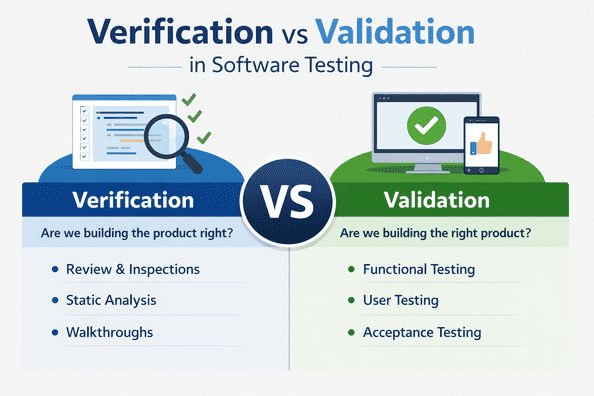
In fast-moving DevOps environments, delivering software quickly without compromising quality is a constant challenge. Teams must ensure that applications are both built correctly and meet user expectations. Understanding verification vs validation and how to balance these efforts is crucial for maintaining software reliability, reducing production defects, and supporting continuous delivery...