


Catholic Marriage Prep Checklist: What Couples Forget Until It’s Too Late
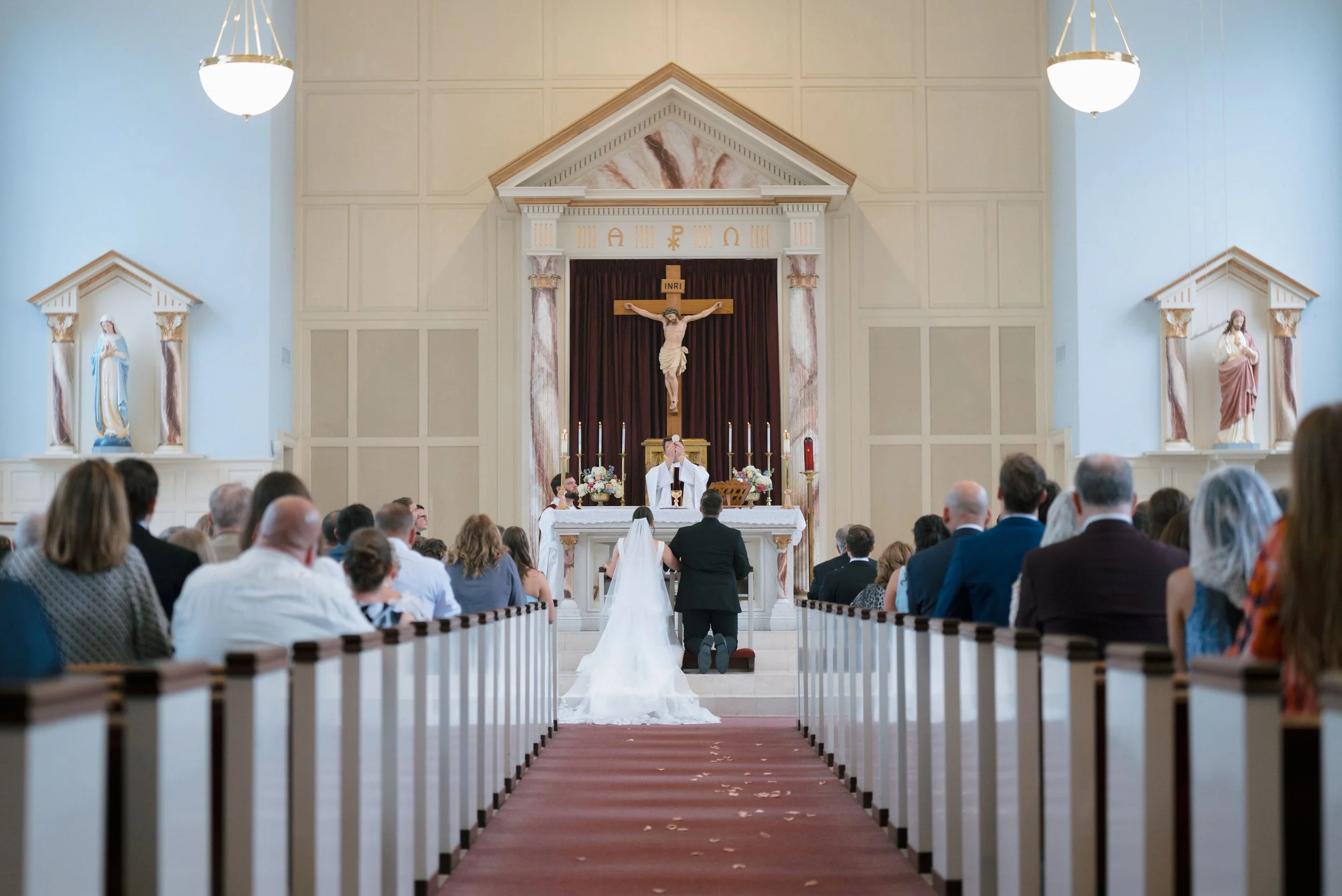
Catholic Marriage Prep is often seen as a formal step before a wedding, but it is much more than paperwork and meetings. It is a structured process designed to help couples build a strong foundation rooted in faith, communication, and shared values. Many engaged couples focus on wedding planning and forget key preparation steps that matter long after the ceremony ends.
This checklist covers the most common areas couples overlook and how to address them early.
Why a Marriage Prep Checklist Matters
Marriage is a lifelong commitment. In the Catholic Church, it is also a sacred covenant and a calling. Many couples assume love and good intentions are enough. That belief can lead to problems when real-life challenges appear.
A checklist helps couples stay organized, reflect deeply, and prepare for practical and spiritual responsibilities. It also ensures that required steps for the Sacrament of Marriage are completed without stress.
Confirm Parish Requirements Early
Each parish has its own requirements and timeline for marriage preparation. Some require months of preparation, while others require specific forms and meetings.
Couples often forget to:
-
Contact the parish as soon as they get engaged
-
Ask about required documents and timelines
-
Schedule meetings with the priest or deacon
Starting early avoids last-minute delays and stress.
Gather Required Church Documents
Documentation is a key part of Catholic Marriage Prep, yet many couples delay it.
Common documents include:
-
Baptismal certificates
-
Confirmation records
-
Freedom to Marry forms
-
Civil marriage license
Some documents must be requested from the parish where the sacrament took place. That can take time, especially if records are old or from another country.
Complete Pre-Cana or Marriage Preparation Courses
Marriage preparation courses are a core requirement in many parishes. These courses cover spiritual, emotional, and practical topics.
Couples often forget to:
-
Register early for courses
-
Check if online options are accepted
-
Complete all required sessions
Online programs like Precana Online offer flexible courses for busy couples or those without local options. These programs focus on faith, communication, and long-term relationship skills.
Discuss Faith and Spiritual Practices
Faith plays a central role in a Catholic marriage. Couples sometimes assume they share the same spiritual expectations, but that is not always true.
Important topics to discuss include:
-
Frequency of Mass attendance
-
Prayer routines as individuals and as a couple
-
Teaching children about faith
-
Role of the Catholic Church in family life
These discussions help avoid misunderstandings later.
Talk About Finances and Budgeting
Money is a common source of conflict in marriage. Many couples avoid these conversations before the wedding.
Key topics to cover:
-
Income and debt
-
Budgeting and saving
-
Shared or separate bank accounts
-
Financial goals and priorities
Open conversations early help build trust and clear expectations.
Address Family and Cultural Expectations
Family traditions and expectations can affect a marriage. Couples sometimes forget to talk about boundaries and roles before the wedding.
Topics to consider:
-
Expectations from parents and extended family
-
Cultural or religious traditions
-
Decision-making as a couple versus family influence
Clear boundaries protect the relationship and reduce future conflicts.
Discuss Children and Parenting Plans
The Catholic Church teaches openness to life as part of the Sacrament of Marriage. Couples should discuss their views on children before marriage.
Important questions include:
-
Desire for children
-
Timing and spacing
-
Education and faith formation
-
Parenting roles and responsibilities
These conversations help align expectations and values.
Plan for Communication and Conflict Resolution
Love does not prevent conflict. Couples often forget to discuss how they will handle disagreements.
Marriage preparation courses often teach communication skills, including:
-
Active listening
-
Respectful disagreement
-
Problem-solving strategies
-
Seeking counseling or guidance when needed
Practicing these skills before marriage builds resilience.
Learn About the Sacrament of Marriage
Many couples focus on the wedding ceremony but forget the theological meaning of the Sacrament of Marriage.
Key points to review include:
-
Marriage as a covenant, not just a contract
-
The role of God in the marital bond
-
The spiritual responsibilities of spouses
This knowledge deepens commitment and respect for the sacrament.
Plan the Wedding Liturgy Thoughtfully
The wedding Mass or ceremony is more than a celebration. It is a sacred liturgy with specific elements.
Couples often forget to:
-
Choose readings and music that reflect faith
-
Review liturgical guidelines with the priest
-
Involve family and friends appropriately
Thoughtful planning creates a meaningful and reverent ceremony.
Consider Counseling or Spiritual Direction
Some couples benefit from additional guidance beyond required courses.
Options include:
-
Meetings with a priest or deacon
-
Catholic counseling services
-
Spiritual direction for deeper faith growth
These resources provide support for personal and relational challenges.
Prepare for Life After the Wedding
Many couples focus on the wedding day and forget to plan for married life.
Important areas to consider:
-
Setting routines for prayer and family time
-
Joining parish or community groups
-
Continuing education on marriage and faith
-
Planning goals as a couple
Preparation does not end with the wedding. It is an ongoing process.
Use Online Resources When Needed
Not all couples can attend in-person classes due to location, work, or travel. Online programs like Precana Online provide structured courses that meet many parish requirements. These platforms offer flexibility while covering essential topics such as communication, faith, and practical skills.
Couples should confirm with their parish that online courses are accepted and keep certificates for records.
Final Checklist Summary
Here is a simple checklist to review before marriage:
-
Contact the parish early
-
Gather all required Church documents
-
Complete marriage preparation courses
-
Discuss faith, finances, and family expectations
-
Plan for children and parenting
-
Learn communication and conflict skills
-
Study the Sacrament of Marriage
-
Plan the wedding liturgy
-
Seek counseling or spiritual guidance if needed
-
Prepare for life after the wedding
This checklist helps couples avoid common oversights and build a strong foundation.
Wrap Up
Preparing early and addressing key topics helps couples enter marriage with clarity and confidence. Completing Catholic Marriage classes ensures both spiritual and practical readiness for a lifelong commitment.
FAQs
1. How early should couples start Catholic marriage preparation?
Couples should contact their parish as soon as they get engaged. Many parishes require preparation to begin six months to a year before the wedding date.
2. Are online marriage preparation courses accepted by the Catholic Church?
Many parishes accept online courses, but couples must confirm with their parish priest. Certificates from reputable platforms are often required.
3. What topics are covered in marriage preparation courses?
Courses typically cover faith, communication, finances, family life, parenting, and the responsibilities of the Sacrament of Marriage.
Categorii
Citeste mai mult
Hogwarts Adventure Overview Prepare for a journey back to the 1800s, where the halls of Hogwarts await your arrival. This immersive role-playing adventure, developed by Avalanche, invites you to carve your own path in a time before the familiar tales. Master ancient spells, concoct potent potions, and forge bonds with magical creatures as you define your legacy. The castle is just the...
Netflix's beloved comedy series "Unbreakable Kimmy Schmidt" is set to continue its run with the announcement of a fourth season renewal. The Universal Television production has garnered critical acclaim and multiple Emmy nominations since its debut, delighting audiences with its unique blend of quirky humor and heartfelt moments. The show's stellar cast remains intact, featuring Ellie Kemper...
A new year brings a fresh wave of entertainment to Netflix's library. The month kicks off with a substantial collection of classic and beloved films arriving on January 1st. This includes iconic titles like the golf comedy 'Caddyshack', the epic 'Braveheart', and the chilling 'The Shining'. Family favorites such as 'E.T. the Extra-Terrestrial' and 'Bee Movie' also join the lineup, alongside...
In the modern digital economy, businesses need to be agile, cost-efficient, and highly productive. Accessing the right talent quickly is essential for project success and growth. Traditional hiring can be slow, expensive, and inflexible. Freelance and SEO marketplaces solve these challenges by connecting companies with skilled professionals worldwide, offering scalability, expertise, and...

The series "Dead to Me" is a dark comedy exploring the unexpected bond that forms between two women from vastly different backgrounds. One of the central characters, Jen, is portrayed as a composed yet complex woman who hides a sharp wit and a simmering temper beneath her polished exterior. Her life has been upended by a tragic event—the loss of her husband in a hit-and-run...