


Recovery, Core Stability, and Postural Support from a Postpartum Chiropractor in Houma Louisiana
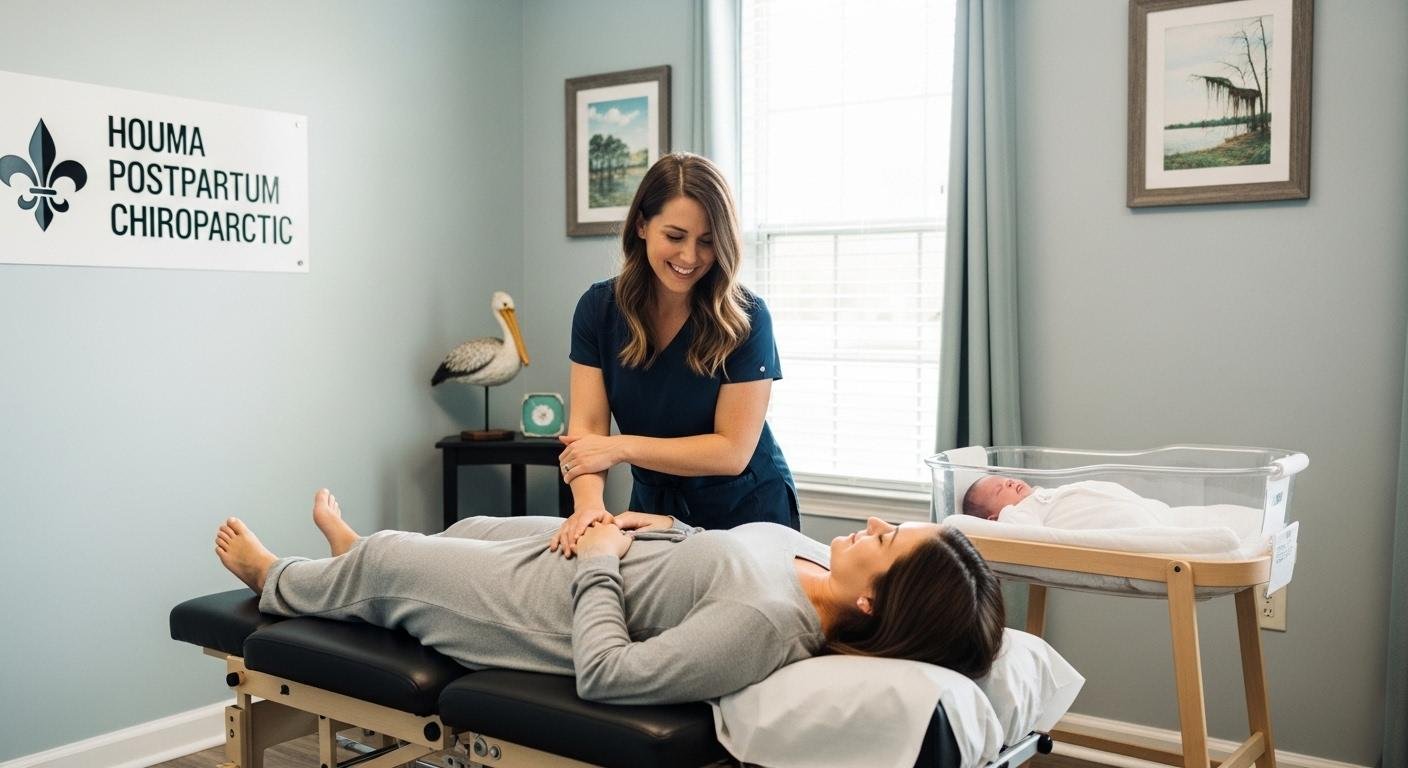
The birth of a baby is a monumental event, but the weeks and months that follow present their own unique set of physical challenges that are too often overlooked. While the world celebrates the arrival of a newborn, the mother's body is quietly undertaking an enormous recovery process that involves hormonal recalibration, tissue healing, skeletal realignment, and muscular rehabilitation. For new mothers navigating this demanding postpartum period, a postpartum chiropractor in Houma Louisiana provides the specialized support needed to recover fully, regain core stability, and restore proper posture after the transformative experience of pregnancy and childbirth.
Postpartum recovery is not simply about "bouncing back." It's about rebuilding the body's structural integrity from the inside out, addressing the lingering effects of nine months of physical adaptation, and creating a foundation for long-term maternal health. Unfortunately, conventional postpartum care often focuses almost exclusively on the baby, leaving mothers without adequate support for their own recovery. Chiropractic care fills this critical gap.
If you're a new mother searching for postpartum chiropractic recovery care in Houma Louisiana, understanding what this specialized service offers can make a significant difference in how quickly and completely you heal.
The Postpartum Body: What's Really Happening
To understand why postpartum chiropractic care is so important, it's essential to recognize what the body endures during pregnancy and delivery and what it faces during recovery.
Skeletal and Joint Changes
During pregnancy, the hormone relaxin loosens ligaments throughout the body, particularly in the pelvis, to prepare for delivery. This increased laxity doesn't disappear immediately after birth. Research published in the European Spine Journal indicates that relaxin levels can remain elevated for up to five months postpartum, meaning joints continue to be unstable long after delivery. This prolonged instability leaves the spine and pelvis vulnerable to misalignment, especially as the new mother begins carrying, feeding, and caring for her baby.
Abdominal and Core Weakness
The abdominal muscles undergo extreme stretching during pregnancy. In many cases, the rectus abdominis muscles separate along the midline, a condition known as diastasis recti. The Cleveland Clinic reports that approximately two-thirds of pregnant women experience some degree of diastasis recti. This separation weakens the core's ability to stabilize the spine, contributing to low back pain, poor posture, and pelvic floor dysfunction.
Pelvic Floor Impact
Whether delivery was vaginal or cesarean, the pelvic floor experiences significant stress during pregnancy and birth. Weakened pelvic floor muscles can lead to urinary incontinence, pelvic organ prolapse, and chronic pelvic pain. A postpartum chiropractor in Houma Louisiana addresses the structural alignment issues that contribute to pelvic floor dysfunction, complementing the work of pelvic floor physical therapists.
Postural Degradation
New motherhood introduces repetitive postures that strain the musculoskeletal system. Breastfeeding, bottle feeding, carrying the baby on one hip, bending over cribs and changing tables, and pushing strollers all create postural patterns that can lead to chronic pain if left unaddressed.
How Postpartum Chiropractic Care Supports Recovery
A postpartum chiropractor in Houma Louisiana provides targeted interventions that address the specific structural challenges of the postpartum period. Here's how this specialized care supports comprehensive recovery:
1. Pelvic Realignment
The pelvis is the cornerstone of postpartum recovery. During pregnancy and delivery, the sacrum, ilium, and pubic symphysis can shift out of their optimal positions. These misalignments cause pain, impair mobility, and compromise the pelvic floor's ability to function properly.
Postpartum chiropractic adjustments gently restore pelvic alignment, reducing stress on surrounding muscles, ligaments, and nerves. This realignment is particularly important for mothers who experienced prolonged labor, assisted delivery with forceps or vacuum, or cesarean section, all of which can introduce additional pelvic trauma.
2. Spinal Correction
Nine months of progressive postural adaptation doesn't reverse itself overnight. The exaggerated lumbar curve developed during pregnancy, combined with the thoracic rounding that often accompanies breastfeeding, creates spinal misalignments that can persist indefinitely without intervention.
A postpartum chiropractor in Houma Louisiana systematically addresses these spinal misalignments through specific adjustments tailored to the postpartum body. Restoring proper spinal curvature reduces nerve interference, alleviates pain, and improves overall function.
3. Core Rehabilitation Support
While chiropractors don't perform physical therapy exercises, they play a crucial role in creating the structural conditions necessary for effective core rehabilitation. When the spine and pelvis are properly aligned, core strengthening exercises become more effective because the muscles are working from a balanced foundation.
Many postpartum chiropractors provide guidance on safe core activation techniques and refer patients to qualified pelvic floor physical therapists for comprehensive rehabilitation programs.
4. Nerve System Optimization
The nervous system controls every function in the body, from hormone regulation and immune response to digestion and energy production. Spinal misalignments, known as subluxations, can interfere with nerve communication between the brain and body. By removing these subluxations, a postpartum chiropractor in Houma Louisiana helps optimize nervous system function during a period when the body desperately needs efficient healing capacity.
Common Postpartum Conditions That Respond to Chiropractic Care
New mothers frequently experience a range of conditions that respond favorably to chiropractic intervention. Understanding these conditions can help you recognize when it's time to seek postpartum chiropractic support.
Low Back Pain
Postpartum low back pain affects an estimated 50% to 70% of new mothers, according to research published in the Journal of Back and Musculoskeletal Rehabilitation. The combination of weakened core muscles, pelvic instability, and new caregiving demands creates a perfect storm for chronic lumbar discomfort. Chiropractic adjustments targeting the lumbar spine and sacroiliac joints provide significant relief.
Neck and Upper Back Pain
Breastfeeding and bottle feeding often involve prolonged forward-head posture and rounded shoulders. Over time, this creates tension in the cervical and thoracic spine, leading to neck stiffness, upper back pain, and tension headaches. At Mamas Chiro, postpartum mothers receive targeted adjustments to the cervical and thoracic regions that counteract these feeding-related postural strains.
Wrist and Hand Pain
New mothers frequently develop De Quervain's tenosynovitis, an inflammatory condition affecting the thumb-side tendons of the wrist, caused by repetitive lifting and holding of the baby. While this condition primarily involves the wrist, cervical spine misalignments can contribute to nerve compression that exacerbates hand and wrist symptoms. A postpartum chiropractor in Houma Louisiana can address the spinal component of this condition.
Hip Pain
Pelvic widening during pregnancy and delivery can leave the hip joints in suboptimal positions. This misalignment affects gait, creates asymmetric muscle loading, and causes hip pain that can interfere with walking, climbing stairs, and carrying your baby. Pelvic and hip adjustments restore proper joint mechanics and alleviate discomfort.
Tailbone Pain (Coccydynia)
Vaginal delivery, particularly when prolonged or assisted, can displace the coccyx, causing persistent tailbone pain that makes sitting extremely uncomfortable. Specialized coccygeal adjustments performed by a postpartum chiropractor in Houma Louisiana can reposition the tailbone and provide relief from this often-debilitating condition.
Headaches
Postpartum headaches can result from hormonal fluctuations, sleep deprivation, dehydration, cervical misalignment, or a combination of these factors. Chiropractic adjustments to the upper cervical spine have been shown to reduce headache frequency and severity, offering new mothers a drug-free solution that is safe for breastfeeding.
When Should Postpartum Chiropractic Care Begin?
Many new mothers wonder how soon after delivery they can begin chiropractic care. The answer depends on the type of delivery and any complications involved.
After Vaginal Delivery
Most women can safely begin gentle chiropractic care within the first one to two weeks following an uncomplicated vaginal delivery. Early intervention is advantageous because the joints are still relatively mobile from elevated relaxin levels, making adjustments particularly effective.
After Cesarean Section
Mothers who delivered via cesarean section typically need to wait until their incision has begun healing adequately, usually around four to six weeks postpartum. However, upper back, neck, and extremity adjustments may be appropriate sooner. A postpartum chiropractor in Houma Louisiana will always assess each patient individually and coordinate with the obstetric provider when necessary.
After Complicated Deliveries
Mothers who experienced significant tearing, hemorrhage, infection, or other complications should receive medical clearance from their OB-GYN before beginning chiropractic care. Once cleared, these mothers often benefit enormously from chiropractic support, as complicated deliveries frequently introduce greater musculoskeletal trauma.
The Role of Postpartum Chiropractic Care in Mental Health
The connection between physical well-being and mental health during the postpartum period cannot be overstated. Chronic pain, sleep deprivation, and physical limitation are significant risk factors for postpartum depression and anxiety. The Postpartum Support International organization reports that approximately one in seven women experiences postpartum depression.
While chiropractic care is not a treatment for mental health conditions, reducing physical pain and improving nervous system function can positively influence mood, energy levels, and overall sense of well-being. Many postpartum chiropractic patients report feeling "lighter," more energetic, and better able to cope with the demands of new motherhood after receiving care.
A baby chiropractor in houma Louisiana understands that recovery is holistic and that physical healing directly supports emotional resilience.
Building a Postpartum Recovery Plan
Chiropractic care is most effective when integrated into a comprehensive postpartum recovery plan. Consider incorporating the following elements alongside your chiropractic appointments:
-
Pelvic floor physical therapy to rebuild pelvic floor strength and coordination
-
Gradual core rehabilitation focusing on deep stabilizing muscles before progressing to surface muscles
-
Nutritional support emphasizing anti-inflammatory foods, adequate protein for tissue repair, and hydration for breastfeeding mothers
-
Adequate rest whenever possible, accepting help from family and friends
-
Gentle movement such as walking, postpartum yoga, or swimming once medically cleared
-
Mental health support through counseling, support groups, or professional therapy if needed
What to Expect During Your First Postpartum Chiropractic Visit
Your first appointment with a postpartum chiropractor in Houma Louisiana will typically include:
-
Detailed Health History: Discussion of your pregnancy, delivery type, any complications, current symptoms, breastfeeding status, and recovery goals.
-
Postural Assessment: Visual and hands-on evaluation of your standing and seated posture, identifying areas of misalignment.
-
Pelvic Evaluation: Assessment of sacral, iliac, and pubic symphysis alignment.
-
Spinal Examination: Segmental evaluation of the entire spine to identify subluxations.
-
Gentle First Adjustment: Based on findings, your chiropractor will perform targeted, low-force adjustments appropriate for your postpartum stage.
-
Home Care Recommendations: You may receive guidance on sleeping positions, feeding postures, baby-carrying ergonomics, and gentle stretches.
Conclusion
The postpartum period is a time of profound physical recovery that deserves just as much attention and care as pregnancy itself. A postpartum chiropractor in Houma Louisiana provides the expertise, gentle techniques, and personalized attention that new mothers need to recover fully, rebuild core stability, and correct the postural imbalances that pregnancy and childbirth leave behind. By addressing the structural foundation of recovery, chiropractic care empowers mothers to heal more completely, experience less pain, and show up as their best selves for their families.
Your body carried and delivered a miracle. Now it's time to give it the recovery support it deserves.
Categorías
Read More
Iwan Rheon and Blake Harrison bring fresh voices to beloved Harry Potter characters in the latest audio productions, offering fans a new way to experience the wizarding world. Rheon, known for his role in "Game of Thrones," steps into the shoes of Professor Remus Lupin, while Harrison, from "The Inbetweeners," voices Peter Pettigrew. Their performances debut in the "Prisoner of Azkaban"...

The global trading industry relies heavily on powerful, flexible, and reliable trading platforms. Among them, MetaTrader stands out as one of the most widely used platforms for forex, commodities, indices, and CFD trading. While MetaTrader is robust on its own, its true strength lies in customization through MetaTrader Plug-ins & Add-ons. These tools extend the core functionality of the...

在現今數位娛樂時代,線上遊戲已成為全球玩家主要的休閒方式之一。其中,YY Game 作為業界領先的平台,不僅提供豐富多樣的遊戲選擇,更打造了安全、流暢且互動性極高的遊戲環境。無論你是休閒玩家還是專業玩家,都能在這裡找到屬於自己的遊戲樂趣。若想深入了解 YY Game 的完整功能和特色,不妨參考相關專業平台,享受更高品質的遊戲體驗。 多樣化遊戲選擇,滿足不同需求 YY Game 平台涵蓋了多種遊戲類型,從經典角色扮演(RPG)、策略模擬、動作冒險,到競技對戰和多人線上遊戲(MMO),應有盡有。這不僅讓玩家能依照個人喜好選擇遊戲,也讓遊戲社群更具互動性。透過精心設計的遊戲系統,每位玩家都能找到最適合自己的挑戰,享受沉浸式的遊戲體驗。 此外,平台上的遊戲經常更新,不斷加入新的角色、關卡和挑戰任務,保持玩家的新鮮感與參與度。對於喜歡競技和社群互動的玩家來說,YY Game...

Indoor environments significantly influence comfort, productivity, and overall well being. In growing communities such as Mission, Kansas, US, homeowners and business operators increasingly recognize the importance of maintaining clean and balanced indoor air. Professional Best Indoor Air Quality Control Services Mission KS provide structured solutions designed to address airborne contaminants,...

Customization Cereal Boxes: Stand Out on Every Shelf Customization cereal boxes are more than packaging they’re your brand’s first impression. In a competitive cereal market, eye-catching, well-structured boxes help products get noticed, remembered, and trusted. From bold designs to eco-friendly materials, customization cereal boxes can directly influence buying decisions and brand...