


Transport Management Best Practices Guide

Transportation rarely gets attention when it works well. Trucks leave on time, deliveries arrive as scheduled, and customers stay satisfied. But when something goes wrong—late shipments, rising fuel costs, missed time windows—it quickly becomes clear how essential structured transport management really is.
Transport management services provide the coordination and oversight needed to keep goods moving efficiently across cities, regions, or even countries. Alongside them, Van Delivery Services help businesses handle flexible routes, smaller loads, and time-sensitive deliveries, especially in crowded urban areas. Together, these systems form the backbone of reliable distribution.
This guide explores practical, experience-based best practices that companies can apply to improve performance, reduce waste, and build long-term resilience in their transport operations.
Start With a Clear Operational Picture
Before improving transportation, you need to understand how it currently performs. Many businesses attempt upgrades without first identifying their real bottlenecks.
Begin by asking:
-
Where do delays happen most often?
-
Which routes generate the highest fuel costs?
-
How frequently do vehicles return empty?
-
Are customers satisfied with delivery timing?
Gathering this baseline information provides direction. Without it, improvements become guesswork.
Define Measurable Goals
Clear goals bring focus to daily operations. Instead of saying “we need faster deliveries,” define a specific target, such as improving on-time performance by 10 percent within six months.
Common transport objectives include:
-
Lowering cost per mile
-
Increasing delivery accuracy
-
Reducing vehicle downtime
-
Improving driver retention
-
Shortening average transit times
When goals are measurable, progress becomes visible—and teams stay motivated.
Strengthen Route Planning
Routing decisions affect nearly every transport metric: fuel consumption, labor hours, maintenance wear, and delivery punctuality.
Rather than relying on fixed routes year after year, review them regularly. Traffic patterns shift, customer clusters change, and road construction can alter efficiency.
Effective routing strategies include:
-
Grouping deliveries by proximity
-
Avoiding peak congestion windows
-
Reducing unnecessary detours
-
Updating routes based on seasonal changes
-
Monitoring recurring delays
Even small route adjustments can produce significant annual savings.
Treat Fleet Maintenance as an Investment
Vehicles are high-value assets. Neglecting maintenance might appear to save money in the short term, but breakdowns, emergency repairs, and delivery disruptions are far more costly.
A disciplined maintenance approach should include:
-
Scheduled servicing intervals
-
Routine safety inspections
-
Accurate maintenance logs
-
Tire and brake monitoring
-
Early replacement planning for aging vehicles
Proactive maintenance improves reliability, protects drivers, and maintains consistent service levels.
Improve Communication Across Departments
Transport operations rarely fail because of a single large mistake. More often, small communication gaps create chain reactions.
For example, if warehouse teams load goods late, drivers depart behind schedule. If dispatchers are not informed about address changes, deliveries may fail.
To reduce friction:
-
Centralize scheduling information
-
Share real-time updates
-
Establish clear escalation processes
-
Conduct short daily coordination meetings
-
Encourage feedback from drivers
Transparent communication prevents minor issues from escalating.
Monitor Costs Beyond Fuel
Fuel is a major expense, but it is only one piece of total transport cost. Insurance, compliance fees, labor, vehicle depreciation, and idle time all contribute.
To gain full cost visibility:
-
Review expense reports monthly
-
Audit freight invoices carefully
-
Analyze cost per delivery zone
-
Track detention or waiting time
-
Compare planned versus actual route expenses
Understanding true costs enables smarter pricing and budgeting decisions.
Focus on the Last Mile
Customers judge logistics performance primarily by the final delivery experience. A shipment that travels smoothly for hundreds of miles can still feel like a failure if the last mile is delayed or poorly communicated.
Improving last-mile efficiency involves:
-
Providing accurate delivery windows
-
Sending automated updates
-
Confirming addresses in advance
-
Minimizing failed delivery attempts
-
Training drivers in professional interaction
In dense cities, combining structured routing with agile vehicle options increases responsiveness and coverage.
Blend Structure With Flexibility
No single transport model fits every scenario. Growing businesses often rely on Transport management services to coordinate multiple routes, hubs, and compliance requirements under one organized framework. At the same time, Van Delivery Services allow flexibility when navigating narrow streets, handling urgent deliveries, or serving areas with limited access for larger vehicles.
Balancing structured systems with adaptable delivery solutions allows companies to:
-
Scale operations gradually
-
Respond to demand fluctuations
-
Improve service speed in urban areas
-
Maintain consistent oversight
Flexibility should complement structure—not replace it.
Invest in Driver Development
Drivers influence safety, efficiency, and customer satisfaction. Their daily decisions—speed control, route adjustments, communication—directly impact performance metrics.
Driver development should include:
-
Defensive driving training
-
Technology usage guidance
-
Clear compliance instruction
-
Time management skills
-
Customer service awareness
Supporting drivers with fair schedules and open communication also reduces turnover, which can otherwise disrupt operations.
Use Data to Guide Improvements
Transport management improves most when decisions rely on evidence rather than assumptions.
Track indicators such as:
-
On-time delivery percentage
-
Average route duration
-
Vehicle utilization rates
-
Maintenance frequency
-
Customer feedback trends
Review these metrics consistently. Patterns will reveal where changes are needed and which strategies are working.
Prepare for Growth Early
As order volumes increase, transport systems face new pressures. What worked for a smaller operation may become inefficient at scale.
Scalability planning might involve:
-
Expanding fleet capacity
-
Adding regional distribution points
-
Standardizing procedures
-
Investing in adaptable routing software
-
Cross-training staff
Planning for growth prevents rushed decisions later.
Strengthen Compliance and Risk Planning
Transport operates within strict regulatory frameworks. Failing to meet safety or documentation standards can halt operations quickly.
Maintain consistent oversight of:
-
Driver working hour limits
-
Vehicle licensing and inspections
-
Insurance coverage
-
Accurate shipment documentation
-
Environmental requirements
Additionally, prepare contingency plans for disruptions such as extreme weather or supply shortages.
Encourage Sustainable Practices
Sustainability efforts often align with efficiency improvements. Reducing empty miles, optimizing loads, and encouraging fuel-conscious driving lower both emissions and expenses.
Practical sustainability steps include:
-
Monitoring fuel efficiency trends
-
Reducing idle time
-
Planning fuller loads
-
Exploring alternative fuel options
-
Reviewing delivery density regularly
Responsible practices enhance brand reputation while supporting long-term cost control.
Conduct Regular Operational Reviews
Transport systems should evolve alongside market demands. Schedule periodic reviews to evaluate performance, identify weak points, and adjust strategies.
During these reviews, assess:
-
Delivery reliability
-
Cost patterns
-
Fleet condition
-
Customer satisfaction
-
Technology effectiveness
Continuous evaluation prevents stagnation and encourages steady progress.
Conclusion
Effective transport management is built on clarity, discipline, and adaptability. It requires thoughtful planning, consistent measurement, and collaboration across teams. Companies that take a structured approach gain stronger cost control, improved reliability, and greater operational confidence.
By aligning daily operations with dependable Transport management services and incorporating responsive Van Delivery Services where flexibility adds value, businesses create transport systems that are both efficient and resilient. In a competitive logistics environment, steady improvement—not quick fixes—remains the foundation of long-term success.
Categorie
Leggi tutto
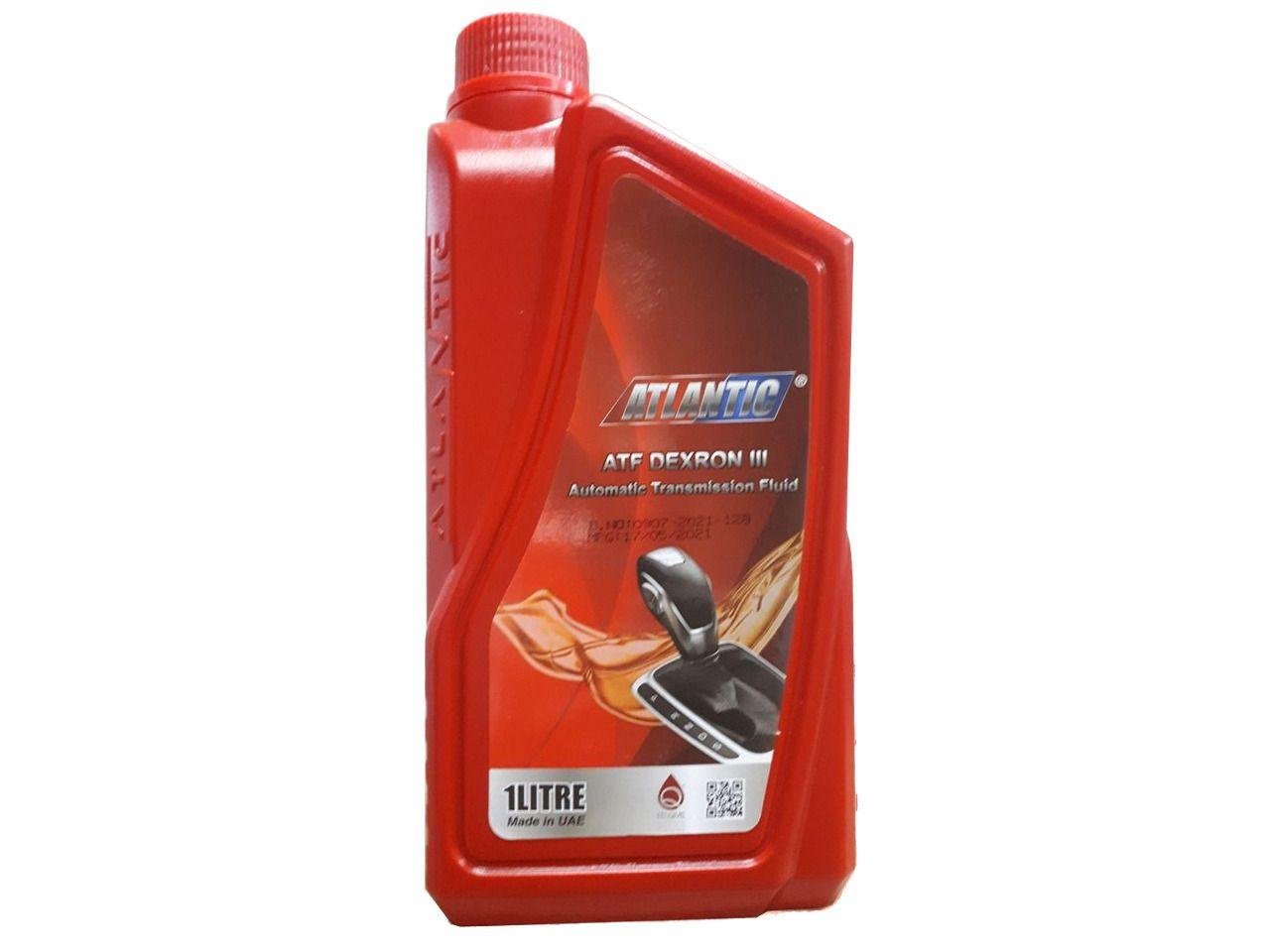
Choosing the right automatic transmission fluid is one of the most crucial steps you can take to optimize your car's performance. This special lubricant keeps your transmission system running smoothly, reduces friction, prevents overheating, and extends its lifespan. In the UAE, where temperatures are extreme and traffic is heavy every day, it's even more crucial to select the correct...
Traveling can be exciting, but getting to and from the airport can often be stressful. That’s why finding a dependable Airport taxi in Beaumont is essential for smooth and hassle-free travel. Whether you’re catching an early morning flight or returning home after a long trip, having a trustworthy cab service can make all the difference. Stress-Free Airport Transfers Booking...

Amy Schumer Returns to Netflix with Comedy Film 'Kinda Pregnant' Comedian Amy Schumer is set to star in a new Netflix comedy titled 'Kinda Pregnant,' scheduled for release on February 5. This marks her second lead role in a narrative feature for the streaming platform, following her collection of stand-up specials and recent appearance in Jerry Seinfeld's 'Unfrosted: The Pop-Tart Story.'...

Parke Brand is growing fast in street fashion. Our website offers fresh hoodie styles made for daily wear. We focus on good fabric, strong stitching, and modern cuts. Many buyers trust our brand because we keep quality high. We update our store with new drops every season. In 2026, our hoodie collection is getting more attention than ever. This article shares why buyers love Parke Brand...
Custom leather hang tags are premium branding labels made from genuine or faux leather, designed to attach to apparel, accessories, or handmade products. These tags add a luxurious, refined touch that instantly communicates quality. Whether used for fashion items or artisanal goods, leather tags elevate the brand’s professional appearance. Why Brands Choose Leather Hang Tags Leather hang...
