

Mailing Envelopes: The Complete Professional Guide to Types, Uses, Materials, and Customization

Introduction to Mailing Envelopes
Mailing envelopes remain an essential component of modern business communication, logistics, branding, and personal correspondence. We recognize that despite the rapid growth of digital communication, mailing envelopes continue to play a critical role in legal documentation, marketing campaigns, billing processes, eCommerce shipping, and official notifications. Their versatility, affordability, and professional appearance make them indispensable across industries.
This comprehensive guide explores cardboard mailing envelopes in depth, covering envelope types, sizes, materials, security features, customization options, and best-use scenarios. Our objective is to provide a definitive resource that sets the standard for clarity, depth, and practical value.
What Are Mailing Envelopes?
Mailing envelopes are flat or expandable paper-based containers designed to safely enclose documents, letters, promotional materials, or lightweight products for postal delivery. They serve multiple purposes, including protecting content, presenting information professionally, and reinforcing brand identity.
Mailing envelopes are engineered to meet postal standards, withstand handling, and ensure confidentiality. Their design varies based on function, industry requirements, and presentation goals.
Types of Mailing Envelopes
Understanding envelope types is essential for selecting the correct solution. Each type fulfills a distinct purpose.
Business Mailing Envelopes
Business envelopes are widely used for invoices, statements, contracts, and official correspondence. Common features include:
-
Clean, professional appearance
-
Window or non-window formats
-
Compatibility with automated mailing systems
Standard business envelopes enhance credibility and ensure compliance with mailing regulations.
Window Mailing Envelopes
Window envelopes include a transparent panel that displays the recipient’s address, eliminating the need for separate labeling. They are ideal for:
-
Utility bills
-
Financial statements
-
Bulk corporate mailings
These envelopes improve efficiency and reduce printing errors.
Security Mailing Envelopes
Security envelopes feature interior patterns that prevent visibility of enclosed content. They are commonly used for:
-
Legal documents
-
Financial records
-
Medical correspondence
Enhanced security ensures confidentiality and data protection.
Padded Mailing Envelopes
Padded envelopes include bubble wrap or foam lining, offering extra protection for fragile items. They are ideal for:
-
Small electronics
-
Jewelry
-
Documents requiring impact resistance
These envelopes combine lightweight design with superior cushioning.
Rigid and Board-Back Envelopes
Rigid envelopes contain cardboard inserts to prevent bending. They are suitable for:
-
Certificates
-
Photographs
-
Artwork
-
Marketing materials
They preserve presentation quality during transit.
Catalog and Booklet Envelopes
Catalog envelopes open on the short side and accommodate thicker contents such as brochures or manuals. Their structure supports:
-
Product catalogs
-
Multi-page reports
-
Marketing kits
Standard Mailing Envelope Sizes
Envelope sizing ensures compatibility with postal systems and document formats.
Common Envelope Dimensions
-
#10 Envelope (4.125” x 9.5”) – Business letters
-
A7 Envelope (5.25” x 7.25”) – Invitations and announcements
-
A9 Envelope (5.75” x 8.75”) – Greeting cards
-
Catalog 9 x 12 Envelope – Full-size documents without folding
Selecting the correct size minimizes postage costs and ensures professional presentation.
Materials Used in Mailing Envelopes
Material choice directly affects durability, appearance, and sustainability.
Paper Mailing Envelopes
Paper envelopes are the most common option, offering:
-
Cost efficiency
-
Easy printing
-
Recyclability
They are available in various paper weights for different mailing needs.
Kraft Mailing Envelopes
Kraft envelopes provide a natural, rustic appearance and higher tear resistance. They are often used for:
-
Legal documents
-
Corporate communications
-
Eco-conscious brands
Poly Mailing Envelopes
Poly envelopes are water-resistant and tear-proof, making them ideal for shipping apparel and lightweight goods. Benefits include:
-
Moisture protection
-
Lightweight structure
-
Tamper resistance
Recycled and Eco-Friendly Materials
Sustainable envelopes made from recycled paper support environmental goals while maintaining professional quality.
Customization Options for Mailing Envelopes
Custom mailing envelopes transform standard correspondence into a powerful branding tool.
Custom Printing
Printed envelopes can include:
-
Company logo
-
Brand colors
-
Taglines
-
Contact details
Custom printing reinforces brand recognition with every mail piece.
Envelope Finishes
Premium finishes enhance appearance and tactile appeal:
-
Matte finish for elegance
-
Gloss finish for vibrancy
-
Textured paper for distinction
Custom Closures
Options include:
-
Gummed flaps
-
Peel-and-seal closures
-
Self-sealing adhesive strips
These features improve convenience and security.
Security Features in Mailing Envelopes
Security is essential when handling sensitive materials.
Tamper-Evident Seals
Tamper-proof adhesives reveal visible damage if opened, ensuring integrity during transit.
Privacy Tinting
Interior security patterns prevent content visibility, safeguarding confidential information.
High-Strength Adhesives
Industrial-grade adhesives prevent accidental opening and unauthorized access.
Industries That Rely on Mailing Envelopes
Mailing envelopes are integral across multiple sectors:
-
Corporate and Legal Firms – Contracts and notices
-
Financial Institutions – Statements and reports
-
Healthcare Providers – Medical documentation
-
Retail and eCommerce – Shipping and returns
-
Marketing Agencies – Direct mail campaigns
Their adaptability supports both operational efficiency and brand communication.
Benefits of High-Quality Mailing Envelopes
Investing in premium mailing envelopes offers measurable advantages:
-
Professional brand image
-
Improved mail deliverability
-
Reduced damage or loss
-
Enhanced customer trust
Well-designed envelopes create a positive first impression before the content is even opened from custom product packaging.
Choosing the Right Mailing Envelope
Selecting the appropriate envelope involves evaluating:
-
Content size and weight
-
Security requirements
-
Branding goals
-
Postal compliance
-
Environmental considerations
A strategic approach ensures optimal performance and cost efficiency.
Future Trends in Mailing Envelopes
The envelope industry continues to evolve with:
-
Sustainable materials
-
Smart tracking features
-
Minimalist branding designs
-
Enhanced security technologies
These innovations ensure mailing envelopes remain relevant in a digital-first world.
Conclusion
Mailing envelopes are far more than simple paper containers. They are a vital extension of communication, branding, and security strategies. From business correspondence to marketing outreach and secure documentation, the right mailing envelope enhances efficiency, credibility, and presentation. By understanding envelope types, materials, customization options, and industry applications, we position ourselves to make informed, strategic decisions that elevate every mailing experience.
Kategoriler
Read More
Principal photography has officially begun in Berlin for Duncan Jones's latest film, 'Mute'. This Netflix original science fiction thriller enters production with a stellar cast, including Alexander Skarsgård, Paul Rudd, and Justin Theroux. The story, conceived by Jones over a decade ago, follows a mute man named Leo in a futuristic 2052 Berlin as he searches for a missing person. He...
Living in a coastal region requires dependable heating and cooling systems that can handle changing temperatures and humidity levels. Homeowners and business owners depend on Expert HVAC Services in Aventura to maintain indoor comfort throughout the year. In nearby communities, property managers also rely on Premium HVAC contractors North Miami to ensure that climate systems operate efficiently...

Разработчики представили грядущее обновление для ARKNIGHTS: ENDFIELD, которое начнёт свою историю уже 12 марта. Новый сюжетный поворот увлечёт игроков в лагерь Циньбо, где пересекутся интересы могущественных фракций. Исследование этого конфликта принесёт щедрые награды, включая ценные разрешения на призыв. На арену выходят два мощных оперативника высшего ранга. Их уникальные способности...
The GUM Arabic Market size was valued at 1,331.9 USD Million in 2024. Projections indicate growth from 1,410.5 USD Million in 2025 to 2,500 USD Million by 2035, representing a CAGR of 5.9% over the forecast period. Increasing demand for natural, clean-label ingredients and sustainable sourcing practices is shaping the competitive dynamics of the market. The GUM Arabic Market is driven by...
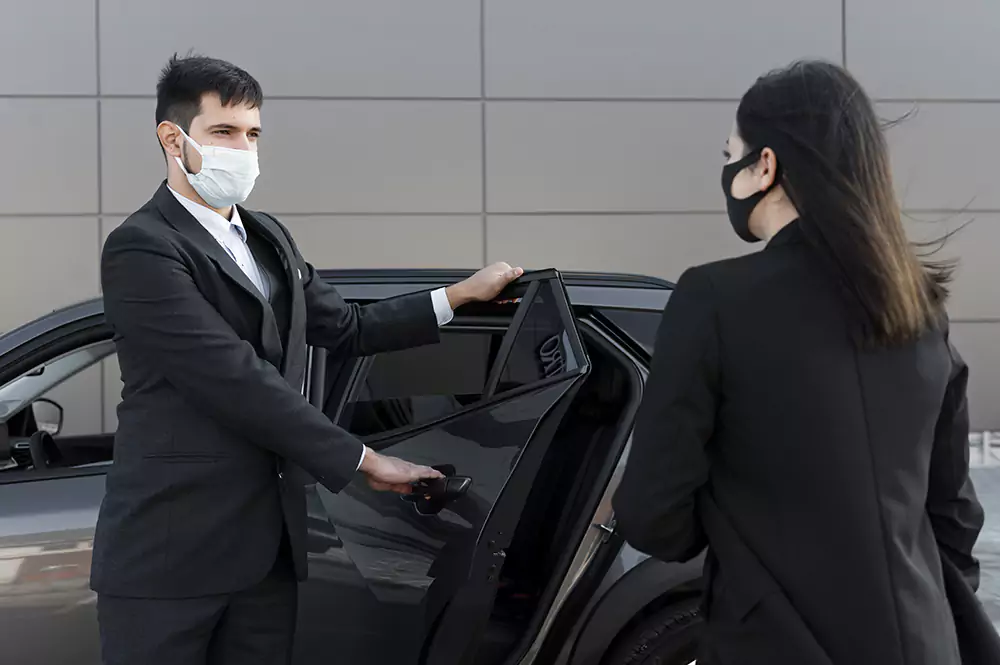
When business demands precision, reliability, and comfort, choosing the right transportation partner becomes essential. Finest City Transportation proudly offers Black Car San Diego to LAX services designed specifically for Corporate & Executive Transportation. Our commitment to professionalism, punctuality, and luxury ensures that every executive journey between San Diego and Los Angeles...