


How Communities Can Improve Plastic Recycling Practices
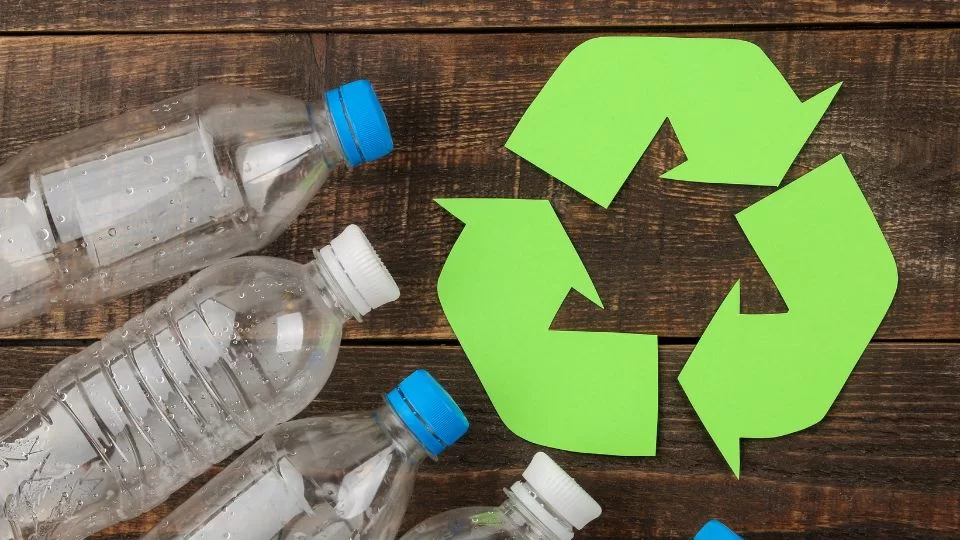
Plastic has become an essential part of our daily lives. From water bottles and packaging to household items and shopping bags, plastic is everywhere. While plastic offers convenience, it also creates one of the biggest environmental problems we face today: waste. Plastic that is not disposed of properly ends up in landfills, rivers, and oceans, harming wildlife and polluting our surroundings. This is why plastic recycling is crucial. Recycling not only helps reduce waste but also conserves resources and lowers carbon emissions. Communities play a major role in improving recycling practices. When residents, businesses, and local governments work together, plastic recycling becomes more effective and sustainable.
In this article, we will explore how communities can enhance plastic recycling practices. We will discuss the challenges, practical strategies, education programs, technology solutions, and ways to involve everyone in the process.
Understanding the Challenges of Plastic Recycling
Before diving into solutions, it is important to understand the challenges communities face with plastic recycling.
1. Variety of Plastics
Not all plastics are the same. There are different types, each with unique chemical compositions. Some plastics, like PET (used in bottles), are easy to recycle. Others, like PVC or polystyrene, are more complicated. Communities often struggle to sort and recycle all these different plastics efficiently.
2. Contamination
Contamination is a major issue in recycling. Plastic items that contain food residue, oil, or other materials are harder to recycle. Even a small amount of contamination can make a batch of recyclables unusable. Educating the community on how to clean and prepare plastics for recycling is essential.
3. Limited Recycling Infrastructure
Many areas lack adequate recycling facilities. Some communities only have bins for general waste, with no clear system for plastics. Without proper collection centers or processing plants, recycling rates remain low.
4. Lack of Awareness
People often do not know which plastics can be recycled or how to dispose of them properly. Without awareness campaigns and guidance, even communities with available recycling facilities may not use them effectively.
Steps Communities Can Take to Improve Plastic Recycling
Despite these challenges, communities can take several practical steps to improve recycling practices.
1. Implement a Clear Recycling System
A well-organized recycling system makes it easier for residents to participate. Communities should:
-
Provide separate bins for different types of plastics.
-
Use clear labels and instructions on bins.
-
Schedule regular collection to avoid overflow and contamination.
Clear signage and consistent messaging reduce confusion and encourage more people to recycle properly.
2. Encourage Source Segregation
Source segregation means separating recyclables at home or in businesses before they reach collection points. Communities can:
-
Educate households to separate plastics from other waste.
-
Encourage businesses to separate packaging materials.
-
Provide color-coded bins for different plastics.
When waste is segregated at the source, recycling plants can process it more efficiently and produce higher-quality recycled materials.
3. Promote the Use of Reusable and Recyclable Products
While recycling is important, reducing plastic use in the first place is even better. Communities can:
-
Promote reusable bags, bottles, and containers.
-
Encourage local stores to reduce single-use plastic packaging.
-
Support businesses that use eco-friendly alternatives.
This approach helps reduce the volume of plastic waste entering the recycling system, making it easier to manage.
4. Conduct Community Education Programs
Education is key to changing behavior. Communities should organize:
-
Workshops in schools to teach children about recycling.
-
Awareness campaigns on social media and local newspapers.
-
Community events like recycling drives and clean-up days.
Educated residents are more likely to recycle correctly and influence others to do the same.
5. Collaborate with Local Businesses
Businesses generate a significant portion of plastic waste. Communities can work with local companies to improve recycling practices:
-
Encourage businesses to use recyclable packaging.
-
Set up collection points for used plastics in stores.
-
Partner with recycling companies to manage commercial waste.
When businesses participate actively, it creates a culture of recycling that extends beyond households.
6. Adopt Technology for Efficient Recycling
Modern technology can make recycling more efficient. Communities can explore:
-
Smart bins with sensors to monitor waste levels.
-
Mobile apps that provide information on recycling locations and rules.
-
Automated sorting systems at recycling centers to separate plastics accurately.
These technologies reduce errors, improve efficiency, and encourage more participation.
7. Organize Regular Clean-Up Drives
Plastic often ends up littering streets, parks, and waterways. Communities can organize:
-
Monthly neighborhood clean-ups.
-
River and beach clean-up programs.
-
Volunteer groups to collect and segregate plastics.
Clean-up drives not only remove plastic waste but also raise awareness and create a sense of responsibility among residents.
Engaging Youth and Schools in Plastic Recycling
Young people are the future of sustainable communities. Engaging them in recycling programs can have long-term benefits.
1. School Recycling Programs
Schools can introduce recycling initiatives, such as:
-
Setting up plastic collection bins in classrooms.
-
Organizing art and craft projects using recycled plastics.
-
Conducting competitions on reducing plastic use.
2. Educational Workshops
Workshops can teach children about the impact of plastic on the environment and ways to recycle effectively. Hands-on activities, like building recycled items or visiting recycling plants, make learning practical and memorable.
3. Youth Ambassador Programs
Communities can appoint young ambassadors who promote plastic recycling in their neighborhoods. These ambassadors can:
-
Encourage peers to segregate plastics at home.
-
Help organize recycling drives.
-
Spread awareness through social media campaigns.
Engaging youth ensures that recycling becomes a part of the community culture and continues across generations.
Policy and Community Governance Support
Effective recycling also requires support from local governance and policy initiatives.
1. Clear Recycling Policies
Local governments can implement policies such as:
-
Mandatory plastic segregation for households and businesses.
-
Incentives for communities achieving high recycling rates.
-
Penalties for illegal dumping of plastics.
Policies give structure to recycling efforts and encourage compliance.
2. Public-Private Partnerships
Collaborating with private recycling companies can enhance recycling systems. Public-private partnerships can:
-
Provide funding for recycling infrastructure.
-
Introduce efficient collection and processing systems.
-
Promote innovative solutions like upcycling programs.
3. Incentive Programs
Communities can introduce incentives to encourage participation, such as:
-
Discounts or coupons for residents who recycle.
-
Recognition awards for households and businesses with high recycling efforts.
-
Community competitions to boost engagement.
Incentives make recycling more appealing and motivate consistent participation.
The Role of Innovation in Plastic Recycling
Innovation plays a crucial role in improving plastic recycling. New methods and materials can reduce waste and increase efficiency.
1. Biodegradable and Compostable Plastics
Biodegradable plastics break down more easily than traditional plastics. Communities can:
-
Encourage the use of biodegradable alternatives.
-
Educate residents about proper disposal methods.
This reduces long-term pollution and eases the burden on recycling systems.
2. Advanced Recycling Techniques
Techniques like chemical recycling can convert plastic waste back into raw materials. Communities with access to such technologies can:
-
Process plastics that are otherwise difficult to recycle.
-
Reduce the need for new plastic production.
-
Minimize environmental impact.
3. Upcycling Initiatives
Upcycling transforms plastic waste into useful products. Communities can:
-
Organize workshops to create items like bags, furniture, or décor from plastics.
-
Collaborate with local artisans to sell upcycled products.
Upcycling promotes creativity and gives plastic a second life while reducing landfill waste.
How Everyone Can Contribute
Improving plastic recycling is a shared responsibility. Every member of the community can play a role.
1. Residents
-
Segregate plastics at home.
-
Clean and prepare plastics for recycling.
-
Reduce single-use plastics and choose reusable items.
2. Businesses
-
Use recyclable packaging.
-
Participate in collection programs.
-
Educate customers on proper recycling practices.
3. Local Authorities
-
Provide accessible recycling facilities.
-
Enforce policies to reduce plastic pollution.
-
Support education and awareness campaigns.
4. Community Groups and NGOs
-
Organize clean-up drives and recycling events.
-
Partner with local authorities to improve infrastructure.
-
Spread awareness about plastic recycling benefits.
When everyone works together, communities can create a cleaner, healthier, and more sustainable environment.
Conclusion
Plastic recycling is not just a responsibility; it is an opportunity to protect our environment and conserve resources. Communities can significantly improve recycling practices by implementing clear systems, educating residents, promoting reusable products, adopting technology, and collaborating with local businesses. Engaging schools, youth, and community groups further strengthens recycling efforts, while policy support and innovative solutions make the process more effective.
For communities looking to make a real difference, partnering with organizations that specialize in waste management and recycling can be highly beneficial. Duha Industries provides guidance and solutions to help communities implement efficient recycling practices, ensuring that plastics are properly collected, processed, and repurposed. By working together, we can reduce plastic pollution and build a cleaner, greener future for everyone.
Categorias
Leia Mais
If you enjoy fun, color, and excitement, then the 777 CB Game is made just for you. It’s one of Pakistan’s fastest-growing online gaming apps where players can enjoy casino-style fun while earning real rewards. The app brings together slots, lucky spins, and card games all packed into one simple platform. With its smooth design and safe money system, anyone can start...

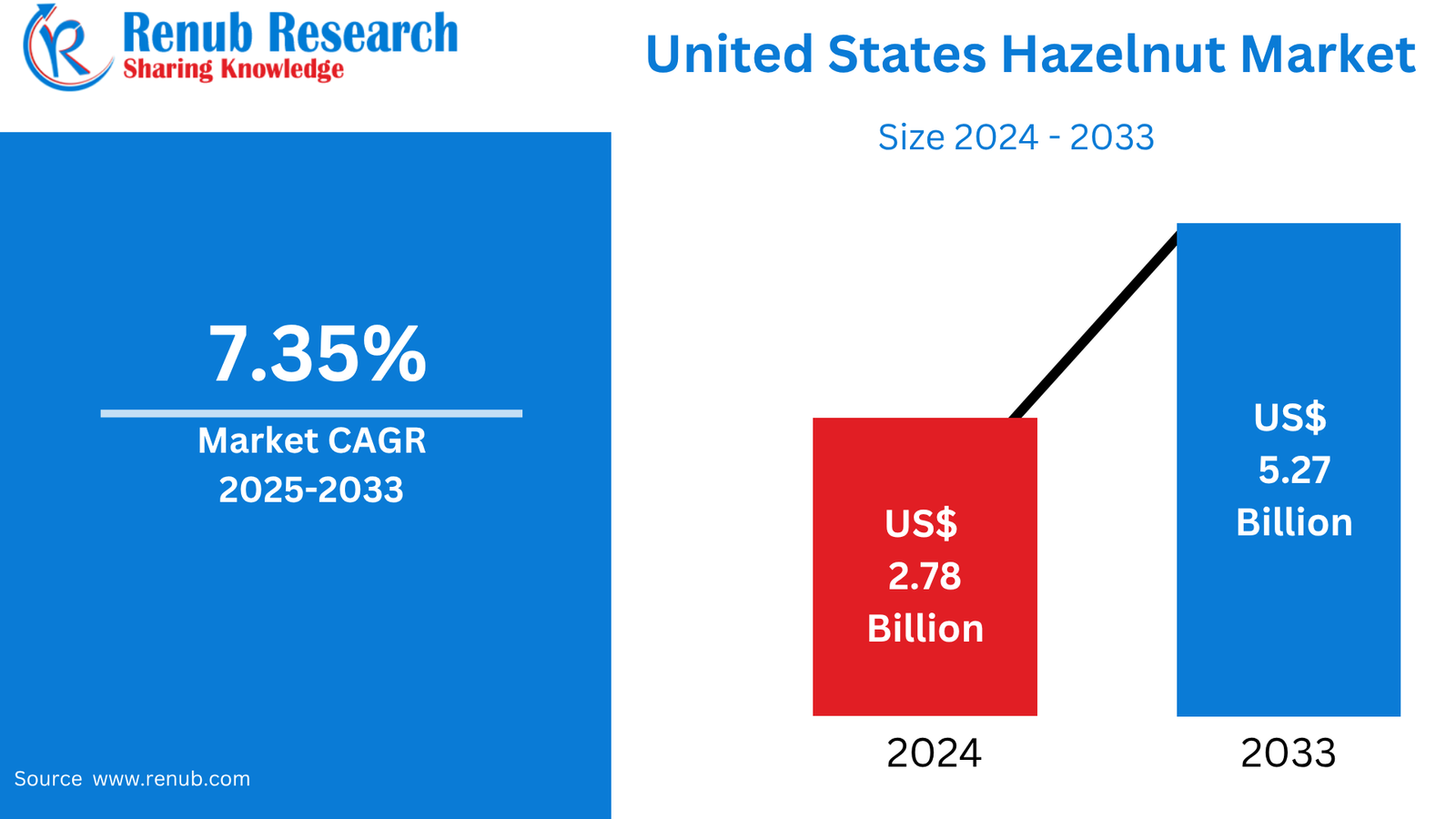
United States Hazelnut Market Overview According To Renub Research United States hazelnut market is undergoing steady and sustained expansion, driven by evolving consumer preferences, increasing awareness of nutritional benefits, and the growing incorporation of hazelnuts across multiple end-use industries. From a valuation of approximately US$ 2.78 billion in 2024, the market is projected to...
Netflix Expands Partnership with French Comedy Icon Gad Elmaleh In an exciting development for comedy fans worldwide, Netflix has announced a significant expansion of its collaboration with renowned French comedian Gad Elmaleh. The streaming giant will exclusively release Elmaleh's first original series "Huge in France," alongside an English-language stand-up special. "Huge in France" draws...

The motorsport market is a dynamic and rapidly evolving sector within the global automotive and entertainment industries. It encompasses a wide range of racing events, teams, sponsorships, media rights, and technological innovations. Motorsport serves as both a competitive sporting platform and a testing ground for advanced automotive technologies, making it a crucial segment for manufacturers,...

Logitech, a leading manufacturer of computer accessories and electronic devices, has publicly acknowledged a recent security breach resulting from a cyberattack carried out by the Clop ransomware group. This attack targeted the company's data systems in July, specifically exploiting a vulnerability related to Oracle's E-Business Suite. The Swiss-based multinational company, renowned for its...