


Lifeguard Courses: Comprehensive Training for Aquatic Safety Professionals
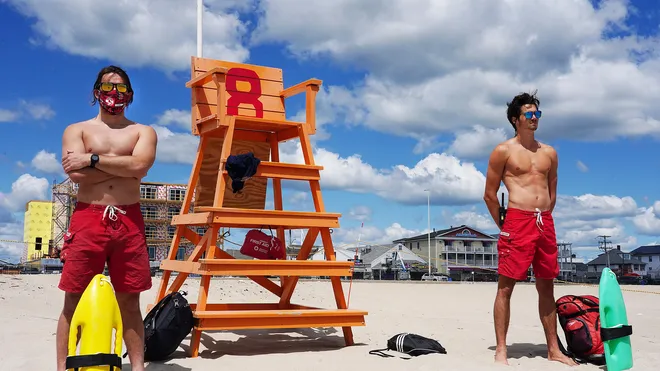
Lifeguard courses provide structured, professional training designed to prepare individuals for the responsibilities of supervising aquatic environments. Whether at swimming pools, beaches, lakes, or waterparks, lifeguards must be equipped with strong rescue skills, emergency medical knowledge, and the ability to act decisively under pressure.
A comprehensive lifeguard courses builds the foundation for certification while fostering leadership, vigilance, and professionalism. Developed according to nationally recognized safety standards, these courses ensure that graduates are prepared to prevent emergencies and respond effectively when incidents occur.
Why Lifeguard Courses Are Important
Drowning incidents can occur quickly and silently. Lifeguards must recognize subtle signs of distress and intervene immediately. Lifeguard courses teach participants how to maintain constant surveillance, enforce safety rules, and reduce risks before emergencies happen.
Students learn to:
-
Identify hazardous behaviors
-
Maintain zone coverage
-
Apply risk prevention strategies
-
Communicate clearly with patrons
-
Activate emergency action plans
Prevention remains the primary goal, but courses also prepare lifeguards for immediate rescue response when necessary.
Core Components of Lifeguard Courses
Professional lifeguard courses combine classroom instruction with hands-on training.
1. Water Rescue Techniques
Participants are trained in:
-
Safe water entries
-
Victim approach methods
-
Active and passive rescues
-
Submerged victim retrieval
-
Spinal injury management
-
Use of rescue equipment
Practical drills ensure students develop muscle memory and confidence.
2. CPR and AED Certification
Lifeguard courses include CPR and AED certification to prepare participants for cardiac emergencies.
Students practice:
-
Adult, child, and infant CPR
-
Two-rescuer coordination
-
AED operation
-
Rescue breathing techniques
Training reflects current emergency cardiovascular care guidelines.
3. First Aid and Injury Management
Lifeguard courses prepare students to handle injuries such as:
-
Cuts and bleeding
-
Sprains and fractures
-
Heat-related illnesses
-
Allergic reactions
-
Head and spinal injuries
These skills allow lifeguards to stabilize victims until advanced care arrives.
Physical Requirements and Skill Testing
Lifeguard courses require swimming proficiency and physical endurance.
Participants must complete:
-
Timed swim tests
-
Treading water assessments
-
Weighted object retrieval
-
Rescue simulations
These evaluations ensure readiness for real-world rescue situations.
Nationally Recognized Certification
Successful completion of a lifeguard course results in certification valid for two years. Certification confirms competency in lifeguarding, CPR/AED, and First Aid.
National recognition enhances employment opportunities and demonstrates professional credibility.
Who Should Enroll in Lifeguard Courses?
Lifeguard courses are ideal for:
-
Aspiring lifeguards
-
Swim instructors
-
Camp counselors
-
Aquatic facility staff
-
Recreation professionals
These courses also benefit individuals seeking valuable life-saving skills.
Leadership and Career Opportunities
Lifeguard courses develop decision-making, teamwork, and communication skills. Graduates may pursue roles in pools, beaches, waterparks, and resorts, with opportunities for advancement into supervisory positions.
Start Your Lifeguard Course Today
Enrolling in a professional lifeguard course is a commitment to preparedness and service. Through structured training and hands-on practice, participants gain the skills necessary to protect lives.
Catégories
Lire la suite
Henry's Book Adaptations Expand Emily Henry's literary success continues to expand into Hollywood as Netflix has secured the rights to adapt two more of her beloved romance novels. This exciting announcement comes just ahead of the premiere of the first-ever film based on her work. The streaming giant plans to bring both "Funny Story" and "Happy Place" to life as feature films, adding to the...

Die Gerüchteküche brodelt rund um Pokémon TCG Pocket, doch nicht jeder angebliche Geheimtipp hält einer Überprüfung stand. Während echte Raritäten wie die legendären God Packs existieren, erweisen sich andere vermeintliche Tricks oft als reine Spekulation. Ein aktueller Trend besagt, dass Booster mit einer geknickten Ecke besonders wertvolle...
Spring Embrace: Teamheilung Die Spring Embrace-Waffe in Zenless Zone Zero ist eine S-Rang-Energiequelle, die speziell für Support-Agenten entwickelt wurde. Sie fokussiert sich darauf, die Energierückgewinnung zu optimieren und die Heilwirkungen bei der Unterstützung von Verbündeten zu verstärken. Diese Eigenschaften machen sie besonders wertvoll in Teams, die auf...
Bitterness Suppressors and Flavor Carriers Market Expands with Rising Demand for Better Taste Solutions The global bitterness suppressors and flavor carriers market is witnessing steady growth as industries prioritize taste, consumer experience, and product innovation. According to Renub Research, the market is projected to grow from US$ 224.43 billion in 2025 to US$ 325.01 billion by...

HBO Max Announces UK Launch Bringing Beloved Shows to British Viewers HBO Max has officially revealed its entry into the United Kingdom's competitive streaming landscape, with services set to begin on March 26th for viewers across the UK and Ireland. The platform will offer several subscription tiers, beginning at £4.99 monthly, with premium options reaching £30.99 for packages...