


Supplier Performance Criteria in Qatar Construction Sector
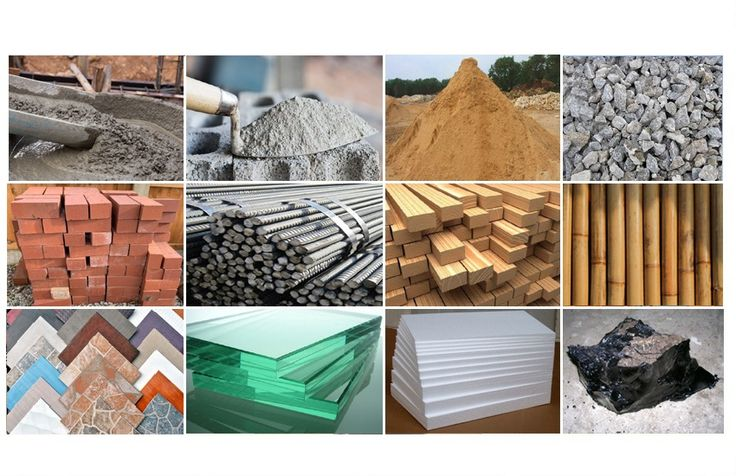
Supplier Performance Criteria in the Qatar Construction Sector
The Qatar construction industry has evolved from a period of rapid, event-driven expansion into a mature, high-performance sector defined by the Third National Development Strategy (2024–2030). In 2026, the criteria for evaluating a building material supplier in Qatar have moved beyond simple procurement towards a sophisticated "Value-Based" assessment. This 1000-word guide details the critical performance pillars that define a top-tier supplier in today's market.
I. National Strategic Alignment: The ICV Scorecard
In the current Qatari economic climate, the most significant performance metric is the In-Country Value (ICV) certification. This program, led by QatarEnergy and adopted by the Ministry of Municipality, serves as a gatekeeper for any major building material supplier in Qatar.
1. Local Economic Contribution
Suppliers are judged on the percentage of their revenue that is reinvested into the Qatari economy. This includes sourcing raw materials from local industrial zones like Mesaieed and utilizing Qatari logistics services. A high performance in this area demonstrates the supplier's commitment to the Qatar National Vision 2030.
2. Qatarization and Human Capital
Performance is also measured by the supplier’s workforce composition. A leading building material supplier in Qatar does not just employ local talent; they invest in structured training programs to ensure the transfer of specialized technical knowledge in fields like concrete chemistry, steel metallurgy, and green architecture.
II. Technical Integrity and Compliance (QCS 2026)
Technical performance is anchored to the Qatar Construction Specifications (QCS) 2026. These standards have been updated to emphasize the lifecycle of buildings rather than just the initial construction phase.
3. Rigorous Material Validation
A high-performing supplier maintains a "Proactive Quality Control" model. This means they do not wait for the contractor to request test reports; they provide them with every batch.
-
Independent Testing: Materials must be validated by ISO-certified third-party laboratories in Doha (such as Qatar Engineering Laboratories).
-
Chemical Stability: Given Qatar's high salinity and extreme heat, materials like rebar must be epoxy-coated, and concrete must be tested for sulfate resistance ($C_{3}A$ content).
4. Digital Traceability and BIM Integration
In 2026, the "Golden Thread" of information is a key KPI. A top building material supplier in Qatar utilizes digital tracking (QR codes or RFID) to allow site engineers to instantly verify the origin, batch number, and test results of every delivery via their project’s Building Information Modeling (BIM) software.
III. Sustainability and the GSAS Framework
With Qatar aiming for a 25% reduction in greenhouse gas emissions by 2030, a supplier’s environmental performance is now a core selection criterion.
5. Green Product Portfolios
Performance is assessed by the availability of materials that help a project achieve high Global Sustainability Assessment System (GSAS) ratings.
-
Low-Carbon Cement: Suppliers offering cement with high fly-ash or slag content to reduce the $CO_{2}$ footprint.
-
Recycled Content: The percentage of recycled steel or aggregates in their product lines.
-
Solar Reflectance: For facade and roofing suppliers, providing materials with a high Solar Reflective Index (SRI) to mitigate the "Urban Heat Island" effect in dense cities like Lusail.
IV. Operational Resilience: Logistics and Fulfillment
In a fast-paced market where site delays can cost millions, the logistical performance of a building material supplier in Qatar is perhaps the most scrutinized KPI.
6. "On-Time In-Full" (OTIF) Metrics
Suppliers are measured by their ability to deliver the exact quantity ordered within a precise time window.
-
GPS-Tracked Fleet: A reliable supplier operates their own dedicated fleet of GPS-tracked vehicles, providing contractors with real-time ETAs.
-
Just-In-Time (JIT) Delivery: In congested areas like Msheireb or West Bay, storage space is non-existent. Suppliers must be able to deliver materials directly to the point of use, precisely when they are needed.
7. Crisis Management and Lead-Time Stability
The ability to maintain stable lead times despite global supply chain disruptions is a hallmark of a high-performance partner. This involves:
-
Strategic Stockpiling: Maintaining significant reserves of critical items in local warehouses (e.g., Doha Industrial Area).
-
Diversified Sourcing: Having multiple global supply routes to bypass port congestions or geopolitical hurdles.
V. Financial and Commercial Health
The construction industry is a high-risk financial ecosystem. A building material supplier in Qatar must prove they have the financial "staying power" to support multi-year projects.
8. Bonding and Credit Performance
A supplier’s performance is reflected in their ability to provide Performance Bonds and Advance Payment Guarantees through local Qatari banks. This provides the contractor with a safety net against non-performance.
9. Price Volatility Mitigation
In 2026, the best suppliers offer fixed-price contracts for the duration of a project, even if global commodity prices (like iron ore or bitumen) fluctuate. This allows contractors to maintain their margins and project budget integrity.
VI. Safety and HSE Performance
Adherence to Health, Safety, and Environment (HSE) standards is the moral and legal baseline for the industry.
10. Packaging and Handling Safety
Performance includes how materials arrive on site. For example, a supplier of chemicals or steel must ensure that packaging is UV-stabilized to prevent degradation in 50°C heat, and that all bundles are secured with high-grade PET strapping to prevent accidental "snap-back" injuries during unpacking.
VII. The Weighted Performance Matrix (2026 Model)
To finalize the evaluation of a building material supplier in Qatar, procurement teams utilize a weighted scoring system to rank performance objectively:
| Performance Pillar | Weighting (%) | Critical Success Factor |
| National Alignment | 25% | High ICV Score & Qatarization. |
| Technical Compliance | 25% | QCS 2026 & Third-party Validation. |
| Logistical Reliability | 20% | OTIF Delivery & Fleet Control. |
| Sustainability | 15% | GSAS Points & Green Materials. |
| Financial/Commercial | 15% | Bonding Capacity & Fixed Pricing. |
Conclusion: Sourcing for the Future
The 2026 construction sector in Qatar has no room for the "deliver-and-forget" mentality. The high-performance building material supplier in Qatar is an entity that integrates itself into the contractor's project lifecycle. They are data-driven, environmentally conscious, and fiercely loyal to the national economic vision.
By prioritizing these performance criteria—from ICV scores to BIM integration—contractors do more than just build structures; they contribute to a resilient, sustainable, and technologically advanced Qatar. Choosing a supplier based on these metrics ensures that the materials going into the ground today will support the nation's vision for the next century.
Categories
Read More
MyRepublic in Indonesia posted the most significant speed improvement globally in June, rising by 0.41 Mbps. This advancement elevated its average to 3.67 Mbps and moved it to second place nationally. Conversely, ISPs like Infokom and Neuviz in Indonesia saw their performance metrics decline during the month. Globally, other providers also made notable gains. In Japan, Biglobe's speed...

Exploring a city should be comfortable, engaging, and memorable. At Elevate Charters, we specialize in providing top-tier Recreational Tours Omaha designed for individuals, families, corporate groups, and tourists seeking a refined way to experience the city. Conveniently based at 3616 Spaulding Street, Omaha, Nebraska 68111, our charter services combine luxury transportation with expertly...

A recent legal decision in Spain has set a significant precedent for online copyright enforcement, specifically targeting VPN providers. The commercial court in Córdoba has mandated that NordVPN and Proton VPN must block certain IP addresses associated with illegal football streaming during La Liga matches. This ruling grants La Liga the authority to update the list of blocked IPs in...
Lifeguard courses provide structured, professional training designed to prepare individuals for the responsibilities of supervising aquatic environments. Whether at swimming pools, beaches, lakes, or waterparks, lifeguards must be equipped with strong rescue skills, emergency medical knowledge, and the ability to act decisively under pressure. A comprehensive lifeguard courses builds the...

Introduction Erectile dysfunction (ED) not only affects a man’s physical ability but also has a profound impact on his emotional health and relationships. Many couples experience strain when ED is left unaddressed, leading to communication breakdown, reduced intimacy, and frustration. Fortunately, treatments like Vidalista 40 online offer reliable solutions, while open communication and...
