

Essential Guide to Understanding a 100 kVA Transformer Unit
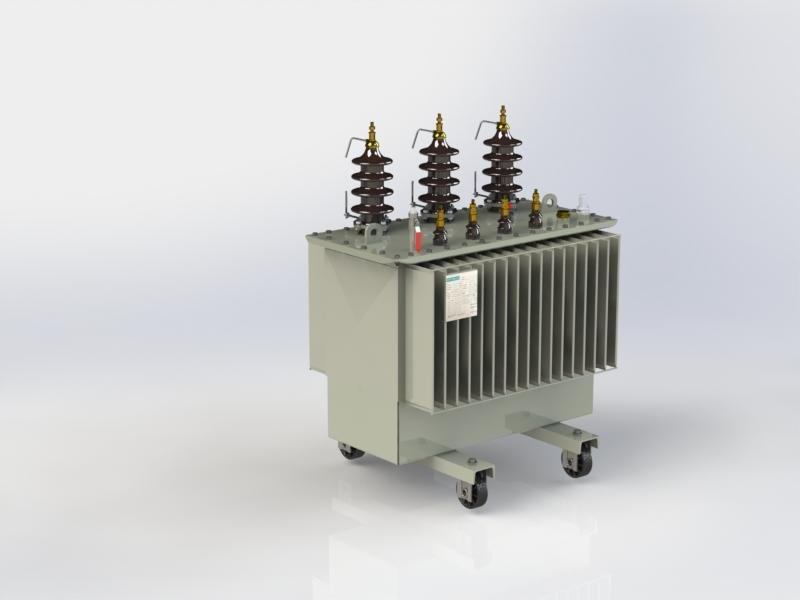
Electric power is a basic need in our daily life. From homes and offices to factories and hospitals, everything depends on a stable and safe electricity supply. One important device that helps in delivering the right amount of power is a transformer. Among many types, the 100 kva transformer is a popular and widely used unit in commercial, residential, and small industrial applications.
In this detailed guide, we will explain what a 100 kVA transformer is, how it works, its components, uses, advantages, installation process, safety tips, maintenance practices, and buying considerations. The language is kept very simple so that anyone can easily understand the topic.
What Is a 100 kVA Transformer?
A transformer is an electrical device that changes voltage levels in an electrical system. It can either increase voltage (step-up) or decrease voltage (step-down). A 100 kVA transformer is designed to handle a power load of up to 100 kilovolt-amperes (kVA).
The rating “100 kVA” means the transformer can safely supply electrical energy to connected devices and systems up to this limit. This type of transformer is commonly used in:
-
Residential complexes
-
Commercial buildings
-
Small factories
-
Hospitals and clinics
-
Educational institutions
-
Offices and shops
This transformer ensures that electricity is delivered at the correct voltage, helping to protect electrical equipment and ensure smooth operation.
Why Is a 100 kVA Transformer Important?
A 100 kVA transformer plays a key role in electrical systems by:
-
Providing stable voltage
-
Preventing equipment damage
-
Reducing power loss
-
Improving system efficiency
-
Supporting continuous power supply
Without transformers, electricity would not be safe or usable for daily purposes. High voltage is needed for power transmission, but low voltage is required for safe usage. A transformer bridges this gap.
Basic Working Principle of a Transformer
A transformer works on the principle of electromagnetic induction. Though the process sounds technical, it is quite simple.
Here is how it works:
-
Input Voltage: Electricity enters the primary coil of the transformer.
-
Magnetic Field Creation: This creates a magnetic field in the iron core.
-
Voltage Transformation: The magnetic field transfers energy to the secondary coil.
-
Output Voltage: The voltage is either increased or decreased based on the coil design.
The ratio of turns in the primary and secondary coils decides whether the voltage will go up or down.
Main Components of a 100 kVA Transformer
Understanding the parts of a transformer helps in better operation and maintenance.
1. Core
The core is made of laminated steel sheets. It provides a path for magnetic flux and helps reduce energy losses.
2. Primary Winding
This coil receives the input voltage from the power source.
3. Secondary Winding
This coil delivers the transformed voltage to the load.
4. Transformer Oil
Used mainly in oil-filled transformers, this oil cools the transformer and acts as an insulator.
5. Tank
The tank holds the core, windings, and oil. It protects the internal parts.
6. Bushings
These are insulated terminals that allow safe entry and exit of electrical connections.
7. Cooling System
It helps control temperature and prevents overheating.
Types of 100 kVA Transformers
Depending on the application and design, 100 kVA transformers are available in different types.
1. Oil-Filled Transformer
This type uses oil for cooling and insulation. It is very durable and suitable for outdoor installations.
Advantages:
-
Long lifespan
-
Better cooling
-
High efficiency
2. Dry-Type Transformer
This type does not use oil and is cooled by air.
Advantages:
-
Low maintenance
-
Fire-safe
-
Suitable for indoor use
3. Single Phase Transformer
Used for small load requirements, mainly in residential areas.
4. Three Phase Transformer
Used in commercial and industrial setups where heavy loads are needed.
Common Applications of a 100 kVA Transformer
A 100 kVA transformer is highly versatile and can be used in many sectors.
Residential Buildings
In apartment complexes and housing societies, it provides stable power supply for lighting, appliances, lifts, and water pumps.
Commercial Spaces
Used in shopping malls, offices, hotels, and hospitals to handle lighting, air conditioning, and other electrical loads.
Small Industries
Supports machines, motors, and production equipment in small manufacturing units.
Educational Institutions
Used in schools, colleges, and training centers for labs, classrooms, and hostels.
Key Advantages of Using a 100 kVA Transformer
There are many benefits of installing a 100 kVA transformer in power distribution systems.
1. Reliable Power Supply
It ensures a steady flow of electricity, reducing the chances of power fluctuations.
2. Energy Efficiency
Modern transformers are designed to minimize energy losses, which saves electricity and reduces bills.
3. Equipment Protection
It protects sensitive devices from voltage spikes and drops.
4. Long Service Life
With proper maintenance, a transformer can last for many years.
5. Flexible Usage
Suitable for different environments and load conditions.
How to Select the Right 100 kVA Transformer
Choosing the correct transformer is very important for performance and safety.
1. Load Requirement
Calculate the total electrical load. Always choose a transformer with a slightly higher rating than the actual load to avoid overloading.
2. Voltage Levels
Ensure the input and output voltage ratings match your system requirements.
3. Installation Location
Decide whether the transformer will be installed indoors or outdoors, and select dry-type or oil-filled accordingly.
4. Cooling Method
Choose between natural air cooling, forced air cooling, or oil cooling based on usage.
5. Efficiency Rating
High-efficiency transformers reduce energy losses and operating costs.
Installation Process of a 100 kVA Transformer
Proper installation is essential for safety and long-term performance.
Step 1: Site Selection
Choose a clean, dry, and well-ventilated location. The site should allow easy access for maintenance.
Step 2: Foundation Preparation
A strong concrete foundation is required to support the transformer’s weight.
Step 3: Positioning
Place the transformer carefully using proper lifting equipment.
Step 4: Electrical Connections
Connect input and output cables as per design standards.
Step 5: Earthing
Proper earthing is very important to prevent electric shock and damage.
Step 6: Testing
Before switching on, conduct insulation, voltage, and load tests.
Safety Measures While Using a Transformer
Safety should always be a top priority when working with electrical equipment.
-
Keep the area around the transformer clean and dry
-
Avoid water contact
-
Ensure proper earthing
-
Use protective covers
-
Keep flammable materials away
-
Conduct regular inspections
Maintenance Tips for Long Transformer Life
Regular maintenance improves efficiency and increases the life of a transformer.
1. Visual Inspection
Check for oil leaks, rust, dust, and loose connections.
2. Oil Testing (for oil-filled types)
Test transformer oil for moisture, acidity, and dielectric strength.
3. Temperature Monitoring
Keep track of operating temperature to avoid overheating.
4. Cleaning
Clean bushings, cooling fins, and ventilation paths.
5. Load Monitoring
Avoid continuous overloading to prevent damage.
Common Problems and Their Solutions
Overheating
Cause: Overloading or poor cooling
Solution: Reduce load and improve ventilation
Noise and Vibration
Cause: Loose components or magnetic imbalance
Solution: Tighten parts and inspect core
Oil Leakage
Cause: Damaged gaskets or seals
Solution: Replace faulty seals
Voltage Fluctuations
Cause: Load variation or faulty connections
Solution: Check wiring and load balance
Energy Efficiency and Cost Savings
Modern transformers are designed to reduce power loss. A well-maintained transformer helps:
-
Lower electricity bills
-
Reduce energy wastage
-
Support eco-friendly practices
-
Improve system reliability
Investing in a high-quality transformer leads to long-term financial and operational benefits.
Environmental Benefits of Efficient Transformers
Energy-efficient transformers contribute to environmental protection by:
-
Reducing carbon emissions
-
Saving energy resources
-
Supporting sustainable development
-
Minimizing electrical waste
This makes them an important part of green energy systems.
Future Trends in Transformer Technology
Transformer technology is constantly improving. Some future trends include:
-
Smart transformers with monitoring systems
-
High-efficiency core materials
-
Compact and lightweight designs
-
Digital control systems
These advancements will make transformers more reliable, safe, and efficient.
Frequently Asked Questions (FAQs)
1. What does 100 kVA mean?
It means the transformer can handle a maximum load of 100 kilovolt-amperes.
2. Can a 100 kVA transformer run heavy machinery?
Yes, it can support small to medium machinery depending on power requirements.
3. How long does a transformer last?
With good maintenance, a transformer can last 20 to 30 years or more.
4. Is oil-filled transformer better than dry-type?
Both have their benefits. Oil-filled is good for outdoor and heavy-duty use, while dry-type is safer for indoor installations.
Conclusion
A 100 kVA transformer is an essential part of modern power distribution systems. It ensures safe voltage levels, reliable electricity supply, energy efficiency, and long-lasting performance. By understanding its working, components, applications, installation methods, and maintenance needs, users can make better decisions and ensure smooth operation.
Choosing a high-quality transformer from a trusted manufacturer is key to getting the best performance and long service life. For reliable and efficient transformer solutions, Prabha Power offers well-designed products that meet industry standards and deliver dependable results for various power needs.
Categorias
Leia Mais
Netflix Mirror APK is a third-party free streaming app that allows users to enjoy movies, TV shows, documentaries, and web series without paying for a subscription. It is designed to look and feel very similar to the official Netflix app, which means you can navigate it easily even if you have used Netflix before. The app offers a huge library of entertainment, from the latest blockbusters and...

ARRESTED DEVELOPMENT RETURNS FOR FIFTH SEASON Netflix has officially greenlit a fifth season of the beloved comedy series "Arrested Development," set to premiere globally in 2018. The announcement confirms the return of the entire original cast, reuniting Jason Bateman, Michael Cera, Jeffrey Tambor, Jessica Walter, Will Arnett, Tony Hale, Portia de Rossi, David Cross, and Alia Shawkat. Creator...

Germany has emerged as one of the top destinations for Indian students seeking a tuition-free Master’s degree in Europe. With globally ranked public universities, advanced research infrastructure, and strong industry connections, Germany offers unmatched opportunities. However, one of the biggest concerns among students is: Can I pursue a Master’s in Germany without IELTS? The...

For international investors seeking stability, mobility, and access to Europe, Golden Visa Greece has become one of the most reliable residency-by-investment programs available today. From the very first step, Golden Visa Greece offers a straightforward way to secure European residency while making a strategic investment in one of Europe’s most desirable countries. At Greece Invests, we...

Automotive Bearings Market Summary “The global Automotive Bearings Market is expected to reach to USD 29.2 billion by 2032, growing at a CAGR of 9.4% during 2025 to 2032” The TrendBridge Insights Research report, “Global Automotive Bearings Market Report 2025 – Future Opportunities, Latest Trends, In-depth Analysis, and Forecast To 2032”, delivers strategic...