


How to Transition From a Student Visa to a Blue Card After Graduation
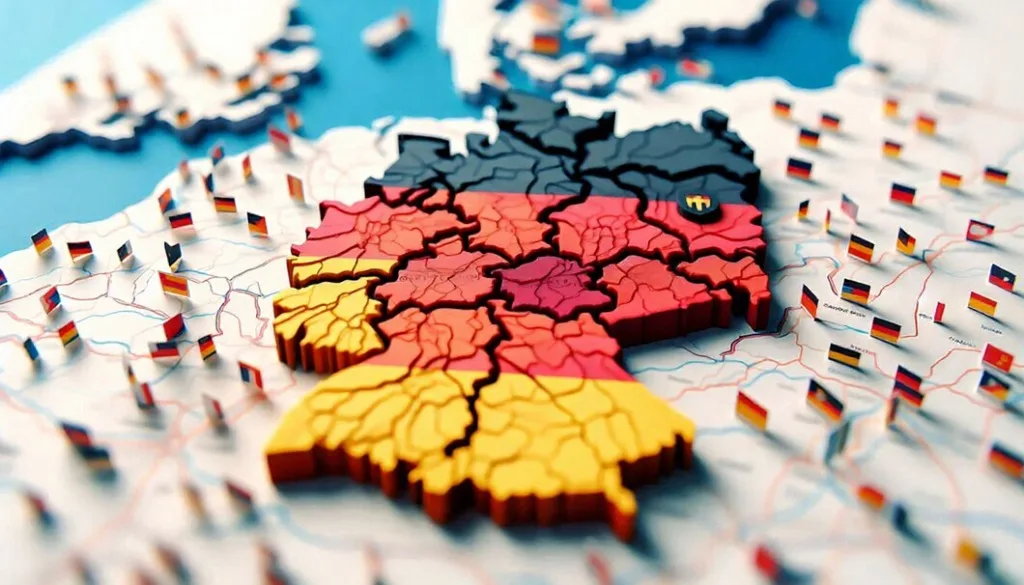
Graduating from a German university is a remarkable achievement. For many international students, the next big goal is securing long-term career opportunities in Germany through the EU Blue Card. Transitioning from a student visa to a Blue Card may seem complex at first, but with the right preparation and understanding of the process, it becomes a smooth and structured journey. This guide will walk you through each step clearly, helping you plan your move from academic life to professional success in Germany.
Understanding the EU Blue Card
The EU Blue Card is a residence permit designed for highly qualified professionals from non-EU countries. It allows graduates to live and work in Germany with attractive benefits such as permanent residency pathways, family reunification advantages, and mobility within the European Union.
To qualify for the Blue Card in Germany, you generally need:
-
A recognized university degree
-
A job offer related to your qualification
-
A minimum gross annual salary that meets the current threshold
-
Approval from the local Foreigners’ Office (Ausländerbehörde)
For graduates of German universities, the process is often easier because your degree is already recognized, and you are legally residing in Germany.
Step 1: Extend Your Stay After Graduation
Once you complete your studies, your student visa does not automatically convert into a work permit. You must apply for a residence permit for job seekers. Germany allows international graduates to stay up to 18 months to search for employment related to their field of study.
During this time, you can work in any job to support yourself while actively seeking a position that qualifies for the Blue Card. Planning early is essential—start networking, applying for positions, and attending career fairs even before your final semester ends.
Many students consult a German Education Consultant in Faridabad to understand long-term career pathways in Germany before they even begin their studies.
Step 2: Secure a Qualified Job Offer
The most crucial step in transitioning to a Blue Card is obtaining a job offer that meets the salary threshold. The position must align with your academic background. For example, engineering graduates should ideally secure roles in technical fields, while IT graduates should pursue positions in technology or software development.
Germany has high demand for professionals in:
-
Engineering
-
Information Technology
-
Healthcare
-
Research and Science
-
Mathematics and Data Analysis
If your salary meets the required minimum (which may be lower for shortage occupations), you become eligible to apply for the Blue Card.
Students who planned their studies strategically—often with guidance from a German Education Consultant in Faridabad—tend to align their degrees with high-demand sectors, increasing their chances of qualifying for a Blue Card.
Step 3: Prepare the Required Documents
Documentation plays a vital role in the approval process. You will typically need:
-
Valid passport
-
Biometric photographs
-
University degree certificate
-
Job contract or official job offer letter
-
Proof of salary
-
Health insurance coverage
-
Completed Blue Card application form
It is important to ensure that all documents are complete and accurate. Even minor discrepancies can delay the process. Book an appointment with your local Foreigners’ Office as soon as you receive your job offer, as waiting times can be long.
Many applicants seek professional guidance from a German Education Consultant in Faridabad to ensure their documentation is correctly prepared before submission.
Step 4: Apply at the Foreigners’ Office
The application for the Blue Card is submitted at your local German immigration office (Ausländerbehörde). During your appointment, officials will verify your employment contract, salary threshold, and academic qualifications.
Processing times vary depending on the city, but generally, you may receive your Blue Card within a few weeks to a few months. While your application is under review, you are usually allowed to continue working if you applied before your previous permit expired.
Make sure your employment contract clearly states your role, salary, and working hours. Transparency and compliance with regulations are essential for approval.
Benefits of the EU Blue Card
Transitioning to the EU Blue Card offers numerous advantages:
-
Faster path to permanent residency (21–33 months depending on language proficiency)
-
Ability to bring family members without long waiting periods
-
Spouse can work without restrictions
-
Greater job mobility after initial employment period
-
Access to social benefits and security
These benefits make the Blue Card an attractive option compared to standard work permits.
Before beginning the application process, some students explore long-term immigration planning with a German Education Consultant in Faridabad to understand settlement opportunities and career growth prospects.
Step 5: Plan for Permanent Residency
One of the most appealing aspects of the Blue Card is the opportunity to apply for permanent residence. If you demonstrate B1-level German language proficiency, you can apply for permanent residency after 21 months. Without language certification, the standard period is 33 months.
Learning German significantly improves integration, career growth, and long-term stability in Germany. Many employers value employees who can communicate effectively in German, even in multinational companies.
Common Mistakes to Avoid
Transitioning from a student visa to a Blue Card is straightforward when approached carefully. However, common mistakes include:
-
Missing application deadlines
-
Accepting a job below the salary threshold
-
Submitting incomplete documentation
-
Failing to maintain valid health insurance
-
Not verifying degree recognition
Proper research and early preparation can prevent these setbacks.
Conclusion
Moving from a student visa to the EU Blue Card is a strategic step toward building a long-term career in Germany. The journey requires careful planning, timely applications, and meeting salary criteria, but the rewards are substantial. From job security to permanent residency, the Blue Card opens doors to professional and personal growth within Germany and across Europe.
By understanding the requirements, preparing documentation carefully, and securing a relevant job offer, international graduates can confidently transition into Germany’s skilled workforce. With the right approach and informed decision-making, your academic success can evolve into a thriving international career.
Catégories
Lire la suite
When authors ask how long editing takes, the answer is not always simple. In fact, Book editing Services depend on multiple factors, including manuscript length, complexity, and the level of editing required. Some books may take a few weeks, while others require months of careful refinement. However, one thing is certain—quality editing is never rushed. Instead, it is a thoughtful process...

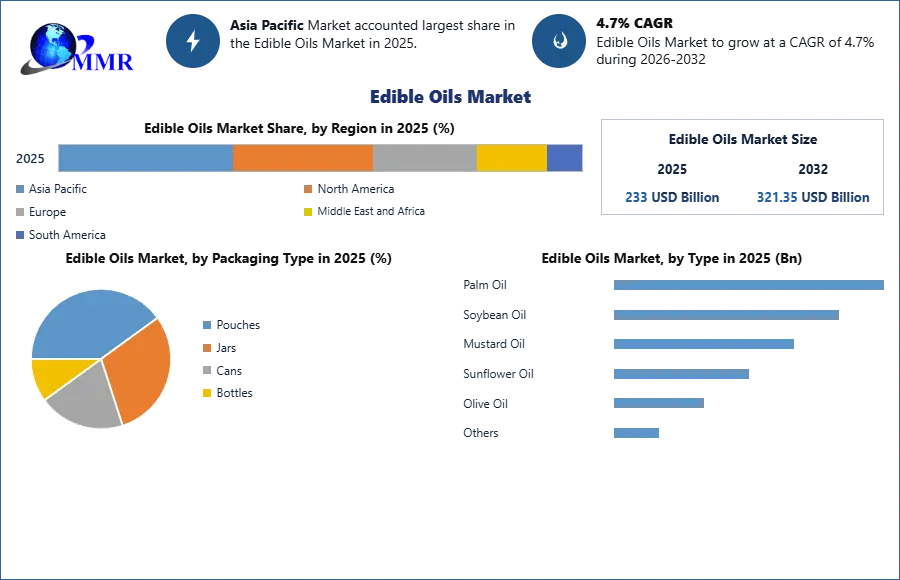
Global Edible Oils Market Witnessing Strong Growth Driven by Rising Food Demand and Health Awareness The global edible oils market is experiencing significant expansion, fueled by increasing population, evolving dietary habits, and growing awareness of health and nutrition. Edible oils are a fundamental component of daily food consumption across the world, widely used in cooking, food...
Our gap rhinestone hoodie is designed for the boldest trendsetters, offering a windproof, high-GSM exterior that commands respect. Featuring a reinforced kangaroo pocket and an extra-deep hood, it provides professional-grade comfort with a legendary streetwear edge. Sparkle with authority in every setting.

Брендан Грин поделился планами относительно будущего Playerunknown's Battlegrounds, которая быстро обрела популярность после выхода в раннем доступе. Несмотря на общее мнение, что игра уже полностью готова, разработчики продолжают совершенствовать её техническую сторону и внедрять систему реплеев для повторного просмотра матчей. В ближайшем будущем игроки смогут свободно преодолевать...

Paratha roll, spicy chicken, and the tenderness of kebabs wrapped in crispy, flaky parathas make for delicious street food throughout Pakistan. But for the hunt among Karachi paratha roll near me" to KFC Pakistan introduce something better: the Zingeratha Roll. The Zingeratha roll is heaven compared to a mere hot and spicy roll paratha because it is a delicious combination of KFC's famous...