


How Continuous Vehicle Monitoring Reduces Risks in the UAE
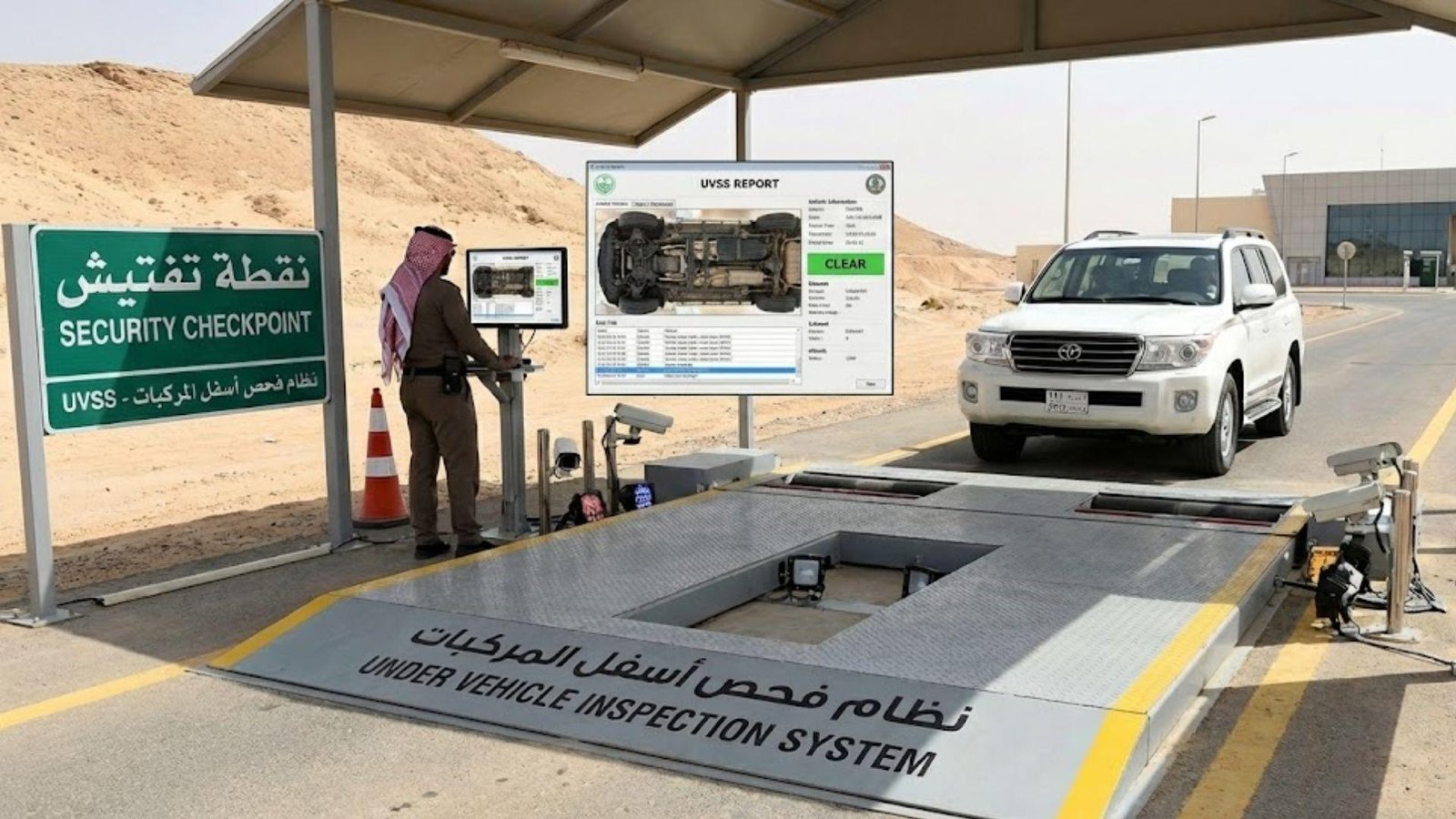
The United Arab Emirates has rapidly developed into a global hub for trade, tourism, logistics, and government services. With this growth comes increased pressure on security teams to manage vehicle access safely and efficiently. Facilities such as airports, ports, government buildings, oil and gas sites, and large commercial zones face constant vehicle movement throughout the day. Traditional inspection methods alone are no longer sufficient to address evolving risks and operational demands.
Continuous vehicle monitoring has become an essential strategy for organizations that need both strong protection and uninterrupted traffic flow. By maintaining constant visibility over incoming and outgoing vehicles, security teams can respond faster to potential threats while keeping operations running smoothly.
Limitations of Periodic and Manual Checks
For many years, vehicle inspection at entry points relied heavily on manual checks or random inspections. While these approaches offered basic oversight, they often created bottlenecks and left room for human error. Guards working long shifts may miss subtle anomalies, especially during peak traffic hours or in low-visibility conditions.
Another major limitation is inconsistency. Manual inspections vary depending on personnel experience, fatigue levels, and environmental conditions. In high-risk environments, even a small oversight can create vulnerabilities. Additionally, stopping every vehicle for detailed checks is rarely practical in busy UAE facilities where efficiency is critical.
Because of these challenges, organizations across the Emirates are moving toward continuous and technology-driven monitoring models that provide reliable, repeatable inspection coverage.
What Continuous Vehicle Monitoring Means Today
Modern continuous monitoring goes far beyond simple visual checks. It involves integrated imaging, automated detection, data recording, and real-time alerting working together as a unified security layer. Instead of relying on occasional inspections, facilities maintain ongoing awareness of every vehicle entering or exiting the premises.
Advanced systems capture high-resolution images, compare vehicle profiles, and flag irregularities instantly. Security teams gain access to searchable records, allowing them to review past vehicle movements when needed. This shift from reactive inspection to proactive monitoring significantly reduces blind spots in perimeter protection.
In the UAE’s fast-paced operational environments, this always-on visibility is becoming a core requirement rather than an optional upgrade.
Enhancing Detection of Hidden Risks
One of the biggest advantages of continuous monitoring is its ability to identify threats that are difficult to detect through manual observation. Modern platforms can highlight unusual shapes, foreign objects, or structural inconsistencies beneath vehicles without requiring lengthy physical checks.
This capability is particularly important for high-security areas where concealed risks pose serious concerns. Automated imaging tools provide consistent coverage regardless of lighting conditions, weather, or traffic volume. As a result, security teams can maintain a higher level of confidence in their inspection process.
By integrating solutions such as the UVIS system into checkpoint workflows, organizations gain a more structured and reliable method of underbody visibility. This reduces reliance on guesswork and supports faster, more informed decision-making at entry points.
Supporting Faster and Smoother Traffic Flow
Security improvements must not come at the expense of operational efficiency. UAE facilities often handle large volumes of vehicles, including staff transport, delivery fleets, service vehicles, and visitors. Long inspection queues can disrupt operations and create frustration for drivers.
Continuous monitoring helps balance security with speed. Automated capture and analysis allow vehicles to pass through checkpoints with minimal delay while still undergoing thorough screening. Instead of stopping each vehicle for manual review, security personnel receive alerts only when something requires attention.
This selective intervention model reduces congestion, shortens wait times, and keeps traffic moving steadily—an important advantage in busy urban and industrial environments across the Emirates.
Strengthening Compliance and Audit Readiness
Regulatory expectations and internal security standards in the UAE continue to evolve. Organizations are expected to maintain clear records of access activity, incident response, and risk management practices. Continuous vehicle monitoring supports these requirements by creating a reliable digital trail of every inspected vehicle.
Stored imaging and inspection data make it easier to conduct audits, investigate incidents, and demonstrate compliance with security policies. Instead of relying on handwritten logs or fragmented records, facilities gain centralized, time-stamped documentation.
This level of traceability is especially valuable for government sites, energy facilities, and logistics hubs where accountability and transparency are essential.
Improving Resource Utilization for Security Teams
Another important benefit of continuous monitoring is the more efficient use of security personnel. Manual inspection processes often require large teams to manage traffic, perform checks, and document activity. Automation reduces repetitive tasks and allows staff to focus on higher-value responsibilities such as threat assessment and response coordination.
With better situational awareness and automated alerts, security teams can operate more strategically rather than reactively. This not only improves overall protection but also helps organizations manage staffing costs more effectively over time.
In a region where operational efficiency is closely tied to national growth goals, smarter resource allocation is a major advantage.
Aligning with the UAE’s Smart Infrastructure Vision
The UAE has consistently positioned itself at the forefront of smart infrastructure and digital transformation. From smart cities to AI-driven public services, the country continues to invest in technologies that improve safety and efficiency simultaneously.
Continuous vehicle monitoring fits naturally into this broader vision. It supports data-driven decision-making, enhances perimeter intelligence, and integrates easily with wider security ecosystems such as access control, video management, and analytics platforms.
As more facilities modernize their security architecture, continuous monitoring is expected to become a standard component of vehicle access management across the Emirates.
Conclusion
The security landscape in the UAE is evolving alongside rapid infrastructure growth and rising operational demands. Traditional inspection methods alone cannot provide the consistency, speed, and visibility required at today’s high-traffic facilities. Continuous vehicle monitoring addresses these gaps by combining automation, real-time imaging, and intelligent analysis into a unified approach.
By improving threat detection, reducing human error, and maintaining smooth vehicle flow, modern monitoring solutions are helping organizations strengthen their overall security posture. As the UAE continues advancing toward smarter and more connected infrastructure, continuous vehicle monitoring will remain a key element in reducing risks and protecting critical entry points across the country.
Κατηγορίες
Διαβάζω περισσότερα
The upcoming Harry Potter television adaptation is poised to redefine streaming benchmarks, according to Warner Bros. Discovery's top streaming executive. Speaking at an event for HBO Max's UK and Ireland launch, J.B. Perrette heralded the series as a landmark production. He emphasized the unprecedented scale and meticulous detail of the project, noting it elevates cinematic storytelling for...

Pokémon Paldea Erweiterung Die neueste Erweiterung B2a „Wundervolles Paldea“ für das Pokémon-Sammelkartenspiel-Pocket bringt ikonische Partner-Pokémon direkt in die Arena. Tauche ein in die farbenfrohe und lebendige Paldea-Region! Ab dem 26. Februar 2026 können Trainer das neue Erlebnis-Boosterpack „Wundervolles Paldea“ entdecken. Dieses...
Think about your last city trip. Remember the crowded buses. Recall the confusing subway maps. Think about searching for a taxi in the rain. City travel often feels stressful. But it does not have to be that way. A Nice Private Driver changes everything. This service turns transportation into a peaceful part of your journey. It focuses on your comfort and ease. Let us see how this personal...

Netflix deepens its commitment to French storytelling with the global announcement of its new original series, Osmosis. This eight-episode venture plunges into a near-future Paris, where a revolutionary dating app promises to eliminate heartbreak. By mining the deepest layers of the human brain, "Osmosis" guarantees a 100% perfect soulmate match. The series poses a provocative question: What...
Rishikesh is not just a destination; it is a way of life shaped by ancient wisdom, natural beauty, and conscious living. Situated along the sacred Ganga River and surrounded by the Himalayan foothills, the city has grown into a global hub for yoga education, holistic healing, immersive retreats, adventure sports, destination weddings, and online wellness learning. What makes Rishikesh unique is...
