


How Can Air Cargo from China to Pakistan Strengthen Business Operations?
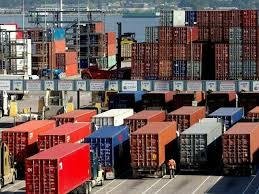
In today’s fast-moving global economy, speed, reliability, and supply chain efficiency directly influence business success. For companies trading between China and Pakistan, air cargo has become a strategic logistics solution rather than just a premium shipping option. Whether you are importing raw materials, finished goods, or high-value products, air cargo from China to Pakistan can significantly strengthen business operations by improving responsiveness, reducing risk, and supporting growth.
Faster Transit Times That Improve Market Responsiveness
One of the most powerful advantages of air cargo is speed. While sea freight can take several weeks, air shipments usually arrive within a few days. This shorter transit time allows businesses to respond quickly to market demand, seasonal trends, and urgent customer orders. When products move faster, companies can launch new items sooner, replenish stock without delays, and maintain a competitive edge in fast-changing markets.
Speed is especially valuable for industries such as electronics, pharmaceuticals, fashion, and automotive parts, where product life cycles are short. By shipping via air cargo, businesses avoid long waiting periods and ensure that goods reach Pakistani markets while demand is still strong.
Reduced Inventory Pressure and Lower Storage Costs
Air cargo enables businesses to operate with leaner inventory levels. Instead of storing large quantities of stock to cover long sea transit times, companies can import smaller, more frequent shipments. This approach reduces warehousing requirements and frees up working capital that would otherwise be tied up in inventory.
For growing businesses in Pakistan, this flexibility is crucial. Lower storage costs and better cash flow management allow companies to invest more in marketing, product development, and customer service. Over time, these improvements directly strengthen overall business operations.
Greater Reliability for Time-Sensitive Shipments
Air cargo schedules are generally more predictable than ocean freight. Flights operate daily from major Chinese manufacturing hubs such as Shanghai and Guangzhou, reducing the risk of long delays caused by port congestion or vessel rollovers. This reliability helps businesses plan production and sales more accurately.
For Pakistani importers supplying factories, retailers, or healthcare providers, dependable delivery times are critical. Missed deadlines can disrupt production lines or result in lost sales. Air cargo minimizes these risks and supports smoother business operations.
Stronger Supply Chain Control and Visibility
Modern air cargo services offer advanced tracking and monitoring systems. Businesses can track shipments in real time, receive status updates, and quickly address any issues that arise during transit. This level of visibility improves supply chain control and decision-making.
When goods are moving from China to Pakistan, having clear shipment data helps importers coordinate customs clearance, arrange last-mile delivery, and inform customers accurately. Better transparency builds trust with clients and partners, which is essential for long-term business growth.
Ideal Solution for High-Value and Sensitive Goods
Air cargo is particularly suitable for high-value, fragile, or sensitive products. Electronics, medical equipment, branded consumer goods, and precision machinery benefit from shorter handling times and reduced exposure to damage or theft. Airlines follow strict security procedures, which adds an extra layer of protection for valuable shipments.
For Pakistani businesses importing premium goods, this security translates into fewer losses and lower insurance risks. Protecting product quality and value strengthens brand reputation and customer satisfaction.
Faster Customs Clearance and Smoother Operations
Air cargo shipments often move through dedicated cargo terminals at major Pakistani airports such as Karachi, Lahore, and Islamabad. These facilities are designed to handle time-sensitive cargo efficiently, resulting in faster customs processing compared to congested seaports.
Quicker clearance means businesses can receive goods sooner, reduce demurrage charges, and avoid unnecessary administrative delays. Efficient customs handling supports smoother daily operations and more reliable delivery commitments.
Supporting Urgent Orders and Emergency Supply Needs
Unexpected situations such as sudden demand spikes, production shortages, or emergency requirements can disrupt normal supply chains. Air cargo provides a dependable solution for such scenarios. Businesses can quickly move critical components or replacement stock from China to Pakistan without waiting for scheduled sea shipments.
This ability to respond to emergencies strengthens operational resilience. Companies that can fulfill urgent orders on time build stronger relationships with customers and gain a reputation for reliability.
Enhancing Customer Satisfaction and Brand Image
Ultimately, faster and more reliable deliveries lead to happier customers. When businesses consistently meet deadlines and maintain product availability, customer trust increases. In competitive markets, this trust can be a key differentiator.
Using air cargo also signals professionalism and commitment to quality service. For Pakistani importers working with international clients or distributors, dependable logistics enhance brand image and open doors to new business opportunities.
A Strategic Tool for Business Growth
Although air cargo is more expensive than sea freight on a per-kilogram basis, its operational benefits often outweigh the higher transport cost. Faster turnover, reduced inventory holding, lower risk, and improved customer satisfaction contribute directly to profitability and scalability.
For businesses focused on speed, reliability, and long-term growth, air cargo from China to Pakistan is not just a logistics option—it is a strategic tool. By integrating air freight into their supply chain, companies can strengthen operations, respond to market demands more effectively, and build a competitive advantage in both local and international markets.
Catégories
Lire la suite
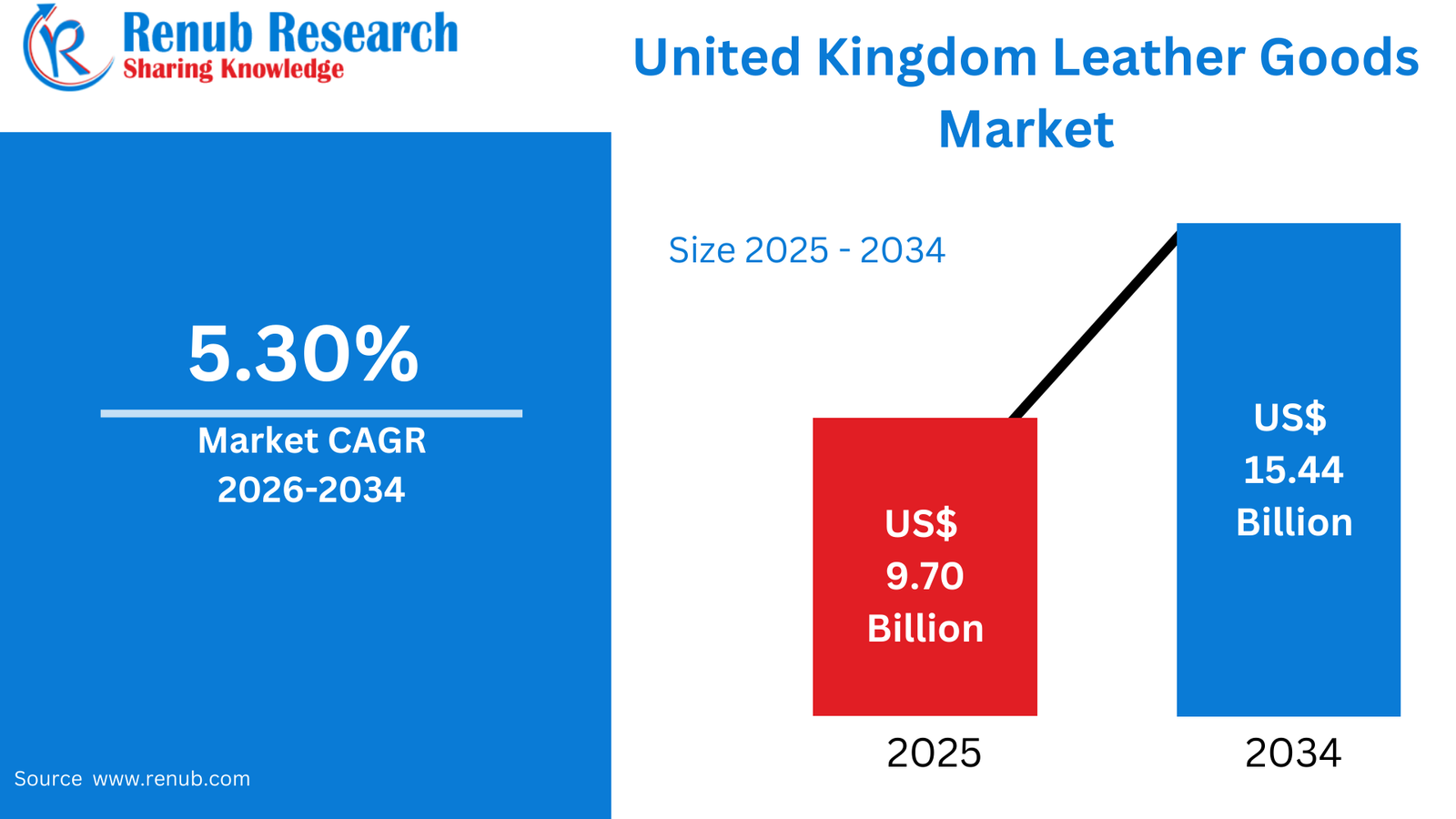
United Kingdom Leather Goods Market Size and Forecast 2026–2034 According to Renub Research United Kingdom leather goods market is projected to demonstrate consistent and resilient growth over the forecast period, reflecting the country’s strong fashion heritage, rising demand for premium accessories, and expanding online retail ecosystem. The market is expected to increase from US$...
Protecting Your Digital Footprint: The Hidden Dangers of Document Metadata In today's interconnected world, sharing documents online has become second nature. However, few realize that these seemingly innocent files may contain hidden information that could compromise security. When you create documents on your computer, they automatically store metadata—information about the file itself....
In a significant move, Netflix has secured worldwide distribution rights for the upcoming film, The Discovery, directed by Charlie McDowell. The movie boasts a star-studded cast including Rooney Mara, Robert Redford, and Jason Segel, promising a compelling cinematic experience. Fans can anticipate the film's debut on Netflix alongside select theatrical releases in the United States scheduled...
On March 31, players of Call of Duty Mobile experienced a fresh wave of content with the launch of the Steel Legion update, marking the start of the game's fifth season. This update brings a nostalgic nod to the Black Ops series, introducing iconic characters and weaponry that longtime fans will recognize. Among the standout features are the reintroduction of fan-favorite characters like David...
Mutual Film Group and Cobalt Media Group have formed a partnership to secure distribution rights for Richard Donner's upcoming film, 'Timeline,' in various international markets, sourced from Paramount Pictures. An adaptation of Michael Crichton's novel, the screenplay is by George Molfi. The story follows graduate students journeying to 14th-century France to save their stranded professor. The...