


Why Poor HVAC Installation Ruins Comfort and Raises Bills?
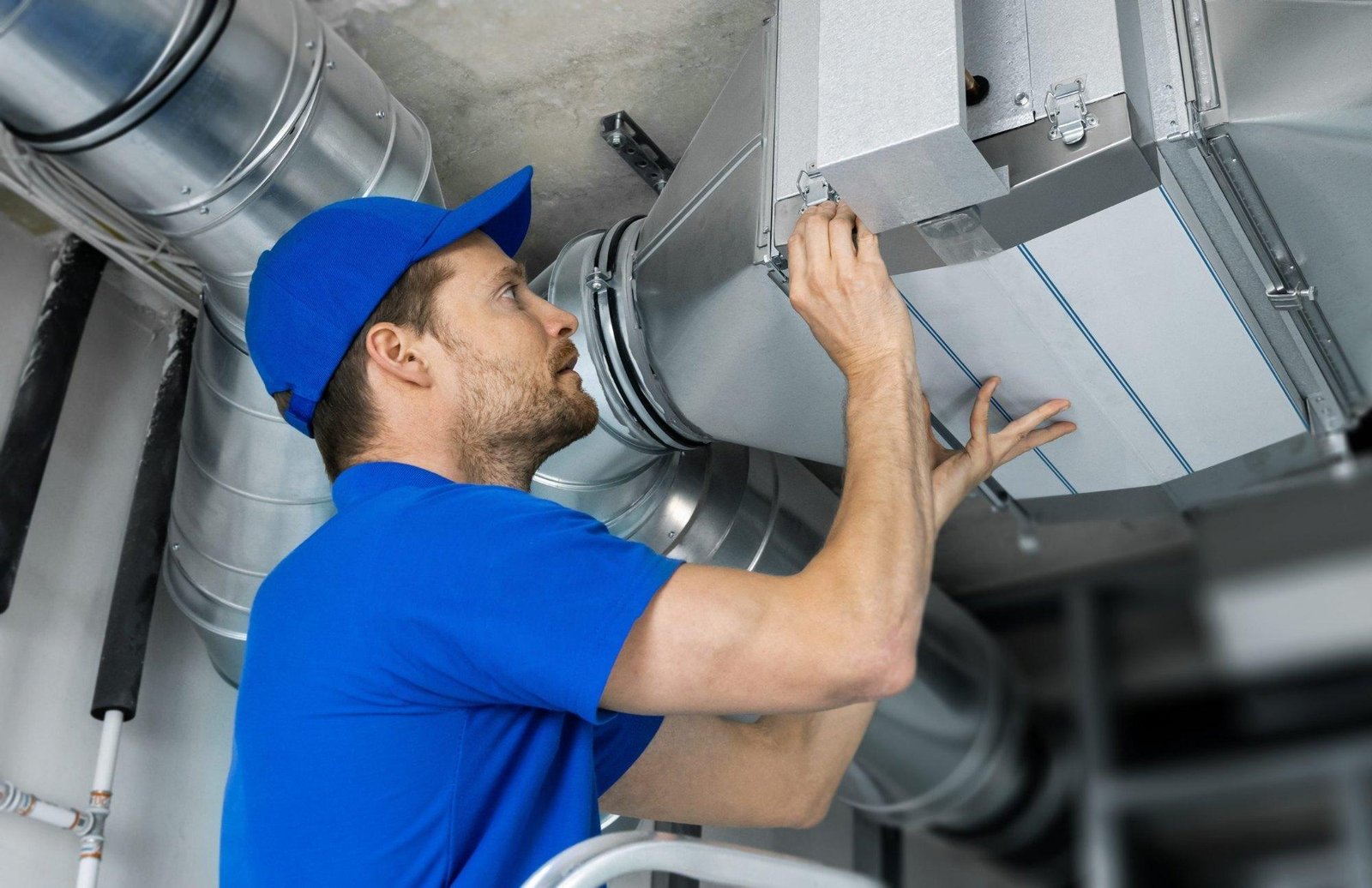
A poorly installed HVAC system can turn your home or office into a constant source of frustration. Uneven temperatures, higher energy bills, and frequent breakdowns are just the beginning. While many people focus on the unit itself, installation quality plays a far greater role in long-term performance than most realize. Even top-tier equipment won’t perform efficiently if installed incorrectly. Understanding the impact of proper installation and choosing the right service partner is critical to maintaining comfort and controlling costs.
The Hidden Costs of Bad Installation
Improper HVAC setup often goes unnoticed at first. You may think that a new air conditioner or furnace will solve your problems immediately, but poorly sized systems or incorrect ductwork can create ongoing issues. Small mistakes—like improper refrigerant charge, misaligned ducts, or uneven airflow—compound over time. This leads to higher energy consumption, frequent service calls, and inconsistent temperatures.
Beyond the immediate discomfort, bad installation can reduce your system’s lifespan. Components forced to work harder than designed wear out faster, increasing the need for costly repairs or premature replacement. It’s not just about short-term inconvenience; it’s about long-term financial impact.
Why Professional HVAC Installation Matters
Choosing professional HVAC installation services ensures your system performs as intended. Certified technicians evaluate your space, calculate load requirements, and design ductwork for optimal airflow. They ensure refrigerant levels, electrical connections, and ventilation comply with manufacturer specifications.
Proper installation also considers energy efficiency. Modern systems can deliver significant savings if configured correctly. Even small adjustments, such as precisely placing the thermostat or sealing ducts correctly, reduce energy waste and improve comfort.
Common Mistakes in DIY or Low-Quality Installations
Many homeowners attempt DIY setups or hire inexperienced contractors, thinking they can save money. Common pitfalls include incorrect unit sizing, poor airflow design, and improper thermostat placement. These errors can create hot and cold spots, inefficient operation, and even system damage.
Miscalculated ductwork can force the system to work harder, drawing more electricity and shortening equipment life. Additionally, improper installation may void manufacturer warranties, leaving you fully responsible for repairs.
Signs Your HVAC Was Installed Incorrectly
You might suspect a bad installation if your system exhibits:
-
Uneven heating or cooling across rooms
-
Frequent cycling on and off
-
Excessive noise or vibration
-
Higher than expected energy bills
-
Moisture problems or water leaks
Early detection is crucial. A quick inspection by a professional can identify installation flaws before they escalate into serious issues.
Selecting the Right Contractor
When hiring an HVAC contractor, look for credentials, experience, and local references. Licensed and certified professionals follow industry standards, ensuring your system operates efficiently. They also understand local building codes and climate-specific requirements, critical for long-term performance.
A reliable contractor conducts a thorough site assessment, evaluates your needs, and presents multiple options. Transparency and clear communication during this phase prevent costly surprises later.
Maintenance and Longevity
Proper installation is only part of the equation. Regular maintenance keeps your system performing at peak efficiency. Scheduled inspections, filter changes, coil cleaning, and duct checks prevent issues from escalating. A well-maintained HVAC system not only keeps your home comfortable but also lowers your energy bills and extends equipment life.
Maintenance plans often include seasonal tune-ups, emergency support, and priority service. Businesses and homeowners alike benefit from these arrangements, ensuring comfort and reliability year-round.
Energy Efficiency Starts with Installation
Even the most energy-efficient system fails to deliver savings if installed incorrectly. Proper sizing, airflow design, and component placement directly affect how much energy your HVAC consumes.
Smart systems with zoning capabilities, programmable thermostats, and variable-speed fans provide additional control. However, these features only perform as intended if installation is precise. A well-installed system ensures each zone receives balanced airflow, reducing waste and maximizing comfort.
Common Upgrades That Improve Installation Outcomes
If your current system wasn’t installed properly, upgrades can make a difference. Adding proper insulation, sealing ducts, installing a smart thermostat, or upgrading to high-efficiency equipment can enhance performance.
Even small adjustments, like improving return air pathways or adjusting vent direction, significantly improve comfort. These changes often pay for themselves through reduced energy costs and improved system longevity.
Protecting Your Investment
Your HVAC system is a significant investment. Protect it by selecting the right installation services and maintaining it consistently. A professional contractor ensures proper setup, which prevents frequent breakdowns and saves money on energy bills. Over time, the difference between correct and incorrect installation becomes clear in comfort, reliability, and cost.
Frequently Asked Questions
How do I know if my HVAC was installed incorrectly?
Look for uneven temperatures, excessive noise, frequent cycling, high bills, or moisture problems. A professional inspection can confirm installation issues.
What’s the cost of professional installation compared to DIY?
While professional installation may cost more upfront, it prevents costly repairs, reduces energy bills, and protects warranties, saving money in the long run.
How often should I maintain my HVAC after installation?
Seasonal maintenance—at least twice a year—is recommended. This includes filter replacement, coil cleaning, and performance checks.
Can a poor installation affect my energy bills?
Absolutely. Misaligned ducts, improper sizing, and airflow problems force your system to work harder, raising electricity or gas costs significantly.
Categorias
Leia Mais
Sony Pictures and Sony Music Entertainment have already announced record-breaking sales worldwide for the upcoming film featuring high-definition footage from Michael Jackson’s concert rehearsals. Fans flocked to see Paris Jackson lining up outside the Grand Rex, which sold out shortly after tickets went on sale, signaling immense demand. Aeg, the concert promoter leveraging...

A roof is one of the most important structural elements of any property. It protects the interior from harsh weather, improves energy efficiency, and enhances the overall appearance of the building. When homeowners consider Professional New roof installation Bronx NY, they are often looking for durability, safety, and long-term value. A professionally installed roof provides peace of...

Official Website-https://ambaniboook-id.com/ Contact no - 9289978272 Introduction to Ambani Book 247 Cricket is more than just a game in India; it's a passion that unites millions. As the enthusiasm for this sport continues to grow, so does the demand for instant updates and reliable information. Enter Ambani Book 247—a game-changer in how fans experience cricket. With its...
Crimson Blaze arrives in Pokémon TCG Pocket this December. The new booster pack brings a wave of laboratory-themed cards to the digital collection. Leading the charge are iconic Mega Evolutions, including Mega Charizard Y. They are joined by Mega Venusaur and Mega Blastoise, completing the classic trio. Players can acquire these powerful cards starting on the 17th of December. A newly...
The frost-kissed lands of Erangel have been transformed. PUBG Mobile's 3.5 update unveils the Icemire Frontier, a chilling and rewarding winter adventure. This mode transcends a simple visual overhaul, weaving Norse mythology and prehistoric danger into the classic battle royale formula. Forget familiar strategies; here, the environment itself is a tool and a threat. Navigate Frostheim Village,...