


Determining The Due On Gold With Correct Intention
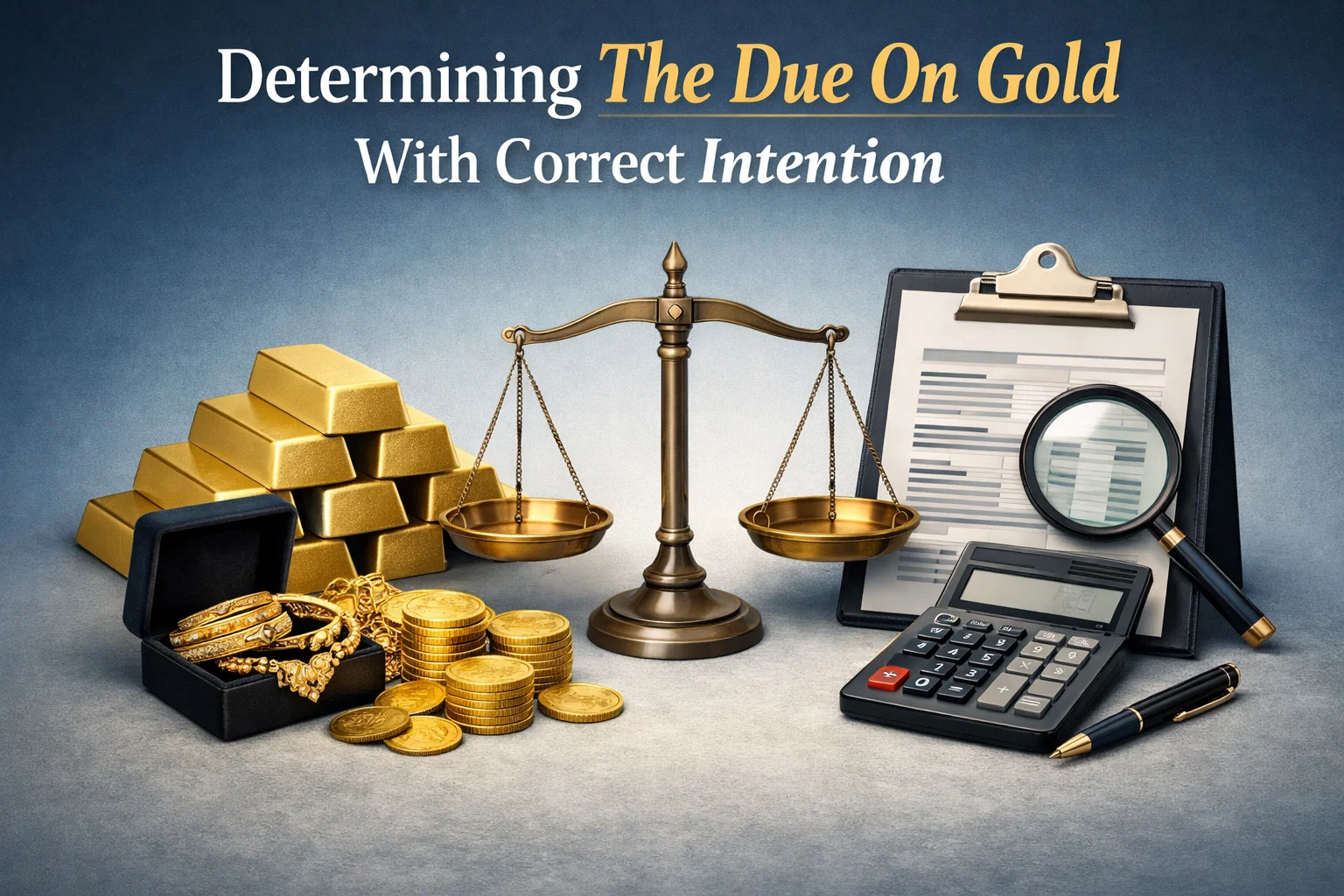
What if the gold you hold in your hands today is not just a piece of jewelry, but a trust from the Divine that requires a specific key to unlock its blessings? Can you imagine the peace of mind that comes from knowing every gram of your wealth is purified and spiritually aligned? Many people find themselves overwhelmed by the complexities of zakat calculation on gold, worrying about fluctuating market prices, varying carats, or whether their personal ornaments even count toward the total.
In this detailed article, we will address these common pain points by breaking down the process into simple, actionable steps. You will find the solution to your calculation worries, understand the importance of your spiritual intent, and learn how to fulfill this pillar of Islam with absolute confidence.
Understanding the Nisab: The Starting Point
Before you begin your zakat calculation on gold, you must first determine if you meet the minimum threshold known as the Nisab. This is the boundary that separates those who are eligible to pay from those who are not.
In 2026, the global standard for the Nisab on gold remains fixed at 87.48 grams (which is equivalent to 7.5 tolas). If your total gold ownership reaches or exceeds this weight, and you have held it for one full lunar year (Hawl), you are required to pay Zakat.
-
Weight Check: Ensure you have the exact weight in grams.
-
Time Period: Confirm you have possessed this wealth for 354 days.
-
Ownership: The gold must be in your complete possession.
The Role of Niyyah (Intention)
Fulfilling the Due on Gold is not merely a financial transaction; it is an act of worship. This is why having the correct intention is vital. When you prepare for zakat calculation on gold, your heart must be set on pleasing Allah and purifying your wealth.
A payment made without the conscious intention of it being Zakat may be considered general charity (Sadaqah) but will not fulfill your obligatory duty. Whether you are paying on investment bars or household jewelry, remind yourself that this 2.5% is the right of the poor upon your wealth.
Step-by-Step Zakat Calculation on Gold
Calculating the amount due is straightforward once you have the current market rates. Follow these steps to ensure accuracy:
-
Separate your Gold by Carat: Not all gold is 24K. Separate your 22K, 21K, and 18K items.
-
Find the Current Rate: Check the market price per gram for each specific carat on the day of your calculation.
-
Calculate the Value: Multiply the weight of your gold by the current price.
-
Apply the Percentage: The final step of the zakat calculation on gold is to take 2.5% of the total value.
Example: If you own gold worth $10,000, your Zakat would be $10,000 × 0.025 = $250.
Dealing with Jewelry and Mixed Assets
A common question in zakat calculation on gold involves jewelry that contains precious stones like diamonds or rubies. According to the majority of scholars, Zakat is only due on the weight of the gold itself, not the stones.
If you have a ring with a large diamond, you should ideally have a jeweler weigh the gold portion or estimate the gold's weight to ensure your zakat calculation on gold remains precise. Furthermore, if you possess a mixture of assets such as a small amount of gold, some silver, and cash most scholars recommend using the silver Nisab threshold to calculate your Zakat, as it is lower and ensures more help reaches the needy.
Frequently Asked Questions
Is Zakat due on gold every year?
Yes, as long as your gold stays above the Nisab threshold, you must perform the zakat calculation on gold and pay the 2.5% annually.
Can I pay my Zakat in gold instead of cash?
Absolutely. You can choose to give a portion of the actual gold (2.5% of the weight) or its equivalent value in your local currency.
What if I forgot to pay for previous years?
If you missed previous years, you should estimate the gold value for those years and settle the amount as soon as possible to clear your obligation.
Categorieën
Read More
The streaming giant Netflix is expanding its Marvel universe with a new standalone series. Jon Bernthal will return to portray Frank Castle, the complex anti-hero first seen in 'Daredevil'. Executive producer and showrunner Steve Lightfoot will helm the project, writing the initial episodes. This series becomes the sixth show in the landmark partnership between Netflix and Marvel Television....

Introduction: TheFUTAccountant Returns to FUTBIN for FC 26 Nate, known as TheFUTAccountant, will continue his collaboration with FUTBIN for FC 26. The partnership has been renewed, ensuring TheFUTAccountant remains a key member of FUTBIN’s lineup for the upcoming season. Fans can look forward to more content and insights from TheFUTAccountant as part of FUTBIN’s team for FC 26. Who...
This March, the enchanting world of Harry Potter invites fans to celebrate the spirit of playful chaos, from the humorous "riddikulus" spells to the mischievous antics of howlers, cake-dropping house-elves, and lively Cornish pixies. It's a month dedicated to magical mischief, and fans are called to participate in a thrilling challenge. Throughout March, supporters will have the chance to...
Hutt Feast Event Overview The latest update in Monopoly GO introduces the second phase of the Hutt Feast solo challenge, designed to boost your collection of blaster tokens for the Jawa Treasures mini-game. This event launched on May 25 and will last for two days, providing players with ample opportunity to participate and earn rewards. Both the Hutt Feast and Jawa Treasures events conclude...
Danny Aarons Joins FUTBIN for FC 26 Danny Aarons joins the FUTBIN team for FC 26. FUTBIN welcomes Danny Aarons as a new signing for the upcoming season. Fans can look forward to seeing Danny Aarons contribute to FUTBIN throughout FC 26. This partnership marks an exciting addition to FUTBIN’s roster for the season. Who is Danny Aarons? Danny stands out as one of the most prominent FC...