


High-Speed 70 Angular Contact Ball Bearing for CNC
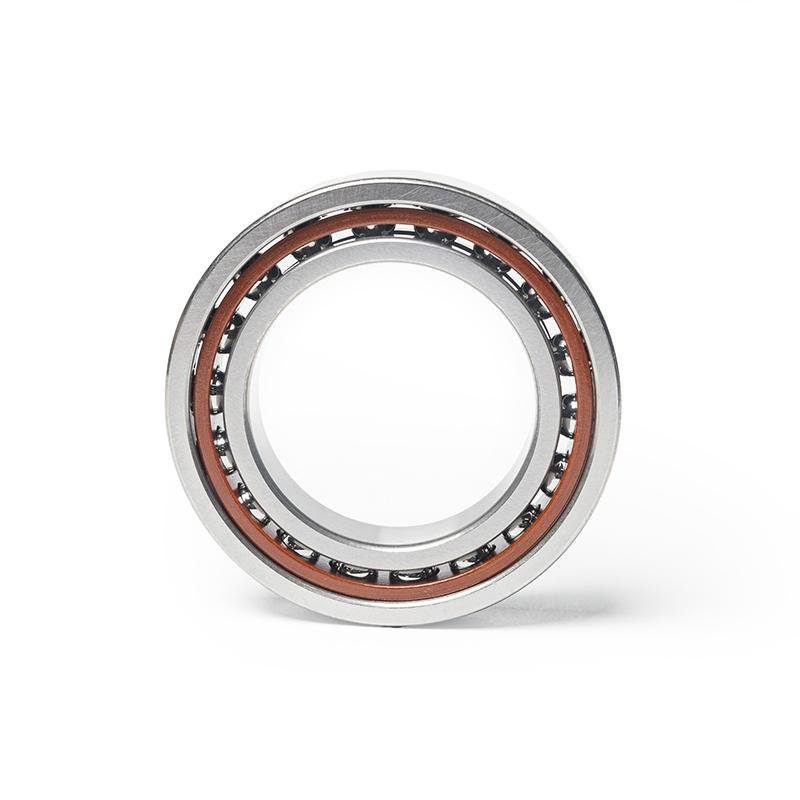
In high-speed CNC machines and precision equipment, bearing performance directly affects accuracy, surface finish, and production efficiency. Many manufacturers face issues like spindle overheating, vibration, and premature bearing failure.
These problems often result from using the wrong type of bearing for high-speed and axial load conditions. The 70 angular contact ball bearing is specifically designed to solve these challenges in demanding industrial environments.
The Problem: Speed, Heat, and Precision Loss
Modern CNC spindles operate at high RPM. At these speeds, even small internal friction can generate heat. Excess heat leads to:
-
Thermal expansion
-
Reduced preload stability
-
Increased vibration
-
Loss of machining accuracy
-
Shorter bearing life
Standard bearings are not optimized for combined radial and axial loads at high speeds.
Impact on Production and Machine Life
When spindle bearings fail, production stops. This results in:
-
Costly downtime
-
Scrap materials
-
Reduced product quality
-
Increased maintenance expenses
For OEM manufacturers and machine builders, reliable spindle performance is essential.
The Solution: What Is a 70 Angular Contact Ball Bearing?
A 70 angular contact ball bearing is a high-precision bearing designed with a specific contact angle to support both radial and axial loads simultaneously. The 70 series typically features a slim cross-section, allowing higher speed performance with reduced friction.
This design makes it ideal for:
-
CNC spindles
-
High-speed motors
-
Precision grinding machines
-
Industrial automation equipment
How It Works
Unlike deep groove ball bearings, angular contact ball bearings have raceways designed at an angle. This angle allows the bearing to handle axial load in one direction along with radial load.
When mounted in pairs or sets, they can support axial loads in both directions while maintaining high rigidity. High-quality 70 angular contact ball bearing solutions are manufactured with precision grinding and strict tolerance control to ensure smooth rotation and minimal runout.
Problems with Conventional Bearings
Deep groove ball bearings are commonly used because they are simple and cost-effective. However, they have limitations:
-
Limited axial load capacity
-
Lower rigidity
-
Higher heat generation at high speeds
-
Reduced positioning accuracy
In spindle applications, these limitations can cause instability and vibration, directly affecting machining performance.
Key Features of 70 Angular Contact Ball Bearing
Optimized Contact Angle
The contact angle improves axial load capacity while maintaining high rotational speed. This ensures stable spindle operation.
High-Speed Capability
The slim design and precision manufacturing reduce friction. This supports high RPM applications with controlled temperature rise.
Precision and Rigidity
Key technical benefits include:
-
High running accuracy
-
Reduced vibration
-
Consistent preload
-
Improved stiffness
These characteristics are essential for high-precision machining and automation systems.
Comparison Table: Standard Bearing vs 70 Series
| Feature | Deep Groove Ball Bearing | 70 Angular Contact Ball Bearing |
|---|---|---|
| Axial Load Capacity | Low | High |
| High-Speed Performance | Moderate | Excellent |
| Spindle Suitability | Limited | Ideal |
| Rigidity | Moderate | High |
| Precision Grade | Standard | High precision available |
| Heat Control | Average | Optimized for high speed |
For high-speed spindles, structural performance and thermal stability are critical.
Real Industrial Applications
70 series angular contact ball bearings are widely used in:
-
CNC machining centers
-
High-speed milling machines
-
Grinding spindles
-
Electric motors
-
Robotics systems
-
Aerospace component manufacturing
In these applications, precision and reliability directly influence product quality.
Why Manufacturers Prefer 70 Series Bearings
Manufacturers choose 70 angular contact ball bearings because they:
-
Improve machining accuracy
-
Support high rotational speeds
-
Reduce vibration and noise
-
Extend spindle service life
-
Lower long-term maintenance costs
For machine builders, selecting the right spindle bearing increases competitiveness and reliability.
How to Choose the Right 70 Angular Contact Ball Bearing
When selecting a 70 angular contact ball bearing, consider:
-
Required speed (RPM)
-
Axial and radial load values
-
Contact angle preference
-
Precision grade (P4, P5, etc.)
-
Mounting arrangement (DB, DF, DT)
-
Lubrication method
Proper preload setting and installation are also essential for optimal performance.
Working with an experienced manufacturer ensures consistent quality and technical support.
Conclusion
In high-speed CNC and industrial machinery, bearing quality determines system stability. Using standard bearings in demanding spindle applications increases risk and reduces efficiency.
The 70 angular contact ball bearing provides the right balance of speed, rigidity, and accuracy. For B2B buyers, engineers, and machine manufacturers, choosing the correct spindle bearing is not just a component decision—it is a performance investment.
Categorii
Citeste mai mult
Finding clothing that truly fits your body can feel impossible, especially with off the rack suits. A well tailored suit is not just about fashion. It is about confidence, comfort, and making the right impression. suit alteration services in Naperville, IL help individuals transform ordinary suits into polished outfits that reflect personal style and professionalism. Whether you are...

Understanding the Procedure When considering dark circles treatment in Dubai, patients often wonder about the steps and expected results. At Perfect Doctors Clinic, the procedure begins with a detailed consultation. The doctor evaluates the under-eye area, skin type, and severity of pigmentation. Treatments are personalized, ensuring effective and natural-looking results. Step-by-Step...

In today’s fast-paced manufacturing environment, precision, speed, and reliability are paramount. A resistance welder has become a cornerstone for industries requiring efficient metal-joining processes, from automotive and aerospace to electronics and appliance manufacturing. Heron Welder, a global leader in industrial welding solutions, offers a comprehensive range of resistance welding...

The latest update in Valorant introduces a new game mode called All Random One Site (AR1S), offering a unique twist on traditional gameplay. In this mode, players are confined to a single designated site on the map, with all other areas sealed off by barriers, creating a more intense and focused combat environment. AR1S transforms the typical tactical experience by limiting movement options...

The Clash Squad stage of the Free Fire Max Asia Invitational 2025 is set for an intense four-day run from December 18th to 21st. Following the earlier Battle Royale finals, the top sixteen squads will now face off in a single-elimination bracket. The total prize pool for this mode stands at $15,000. All early matches will be a best-of-three (BO3), with only the semifinals and grand final...