


Commercial HVAC Services Guide: Types & Installation Process Explained
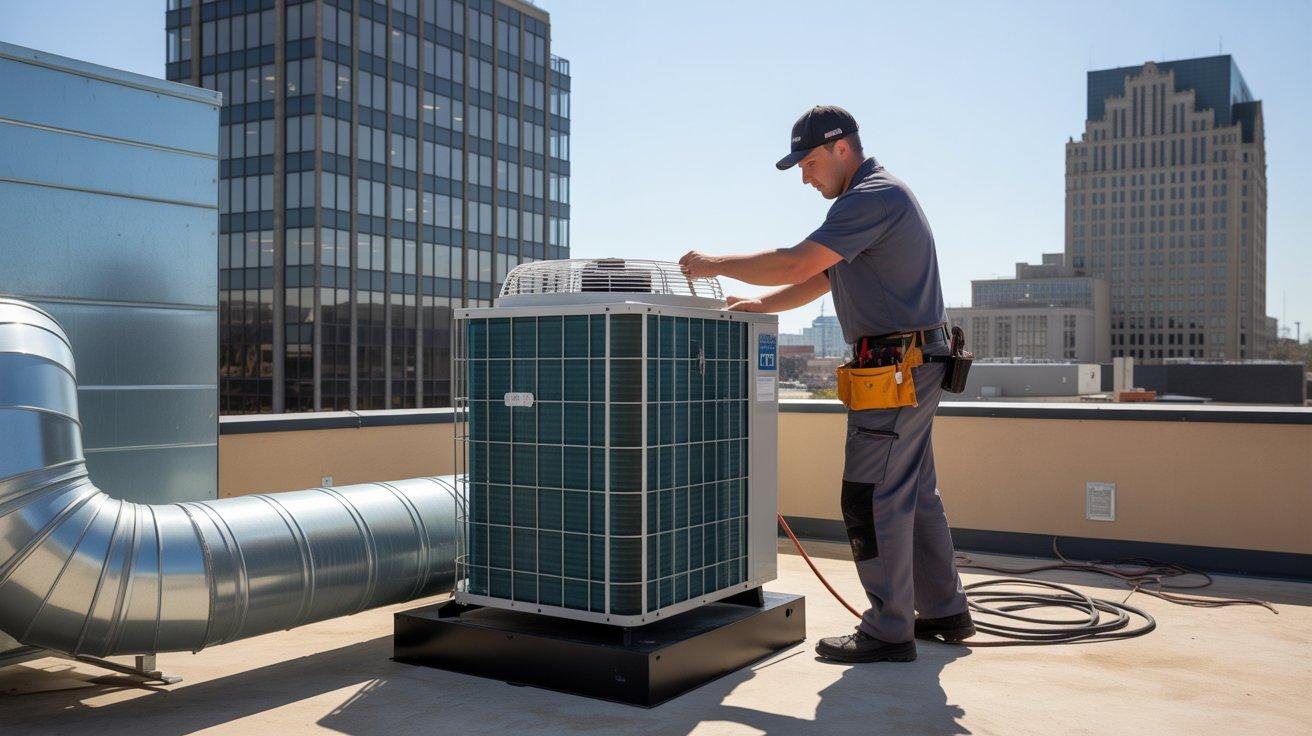
HVAC Services Guide: Commercial Systems, General and Entire Installation Process.
The significance of Commercial HVAC Systems
- Worker wellbeing and performance.
Maintaining comfortable temperatures inside enhances concentration and reduces fatigue. - Customer experience
The stores and restaurants are also guided by the comfort of the climate to ensure that customers spend more time indoors. - Indoor air quality
Ventilation eliminates allergens, pollutants, and bacteria in the air. - Energy efficiency
The contemporary HVAC systems are efficient when it comes to minimizing electricity and heating expenses. - Protection of equipment and products.
Medical institutions and warehouses usually keep temperature-sensitive products. - Regulatory compliance
A great number of commercial buildings are required to comply with the standards of ventilation and safety.
Commercial HVAC Systems types.
Rooftop HVAC Units (RTUs)
- Retail shops
- Restaurants
Small and medium size offices.
- Saves valuable indoor space
- Concentrated place of installation.
- Easier maintenance access
- Affordable to most of the businesses.
Split Commercial HVAC Systems
- Medical clinics
- Small commercial buildings
- Office suites
- Quiet indoor operation
- Flexible design options
- Easier zoning control
Variable Refrigerant Flow (VRF) Systems
- Hotels
- Multi-story offices
- Commercial real estate that is mixed-use.
- High energy efficiency
- Personal zone temperature control.
- Capacity to cool and heat various places at the same time.
All these lead to lower operating costs in the long term.
Packaged HVAC Systems
- Warehouses
- Shopping centers
- Industrial buildings
- Simple installation design
- Trustworthy in spacious areas.
- Simple systems are easier to maintain than complex systems.
Chiller and Boiler Systems
- Hospitals
- Universities
- High-rise buildings
- Long lifespan
- Suited to complicated HVAC infrastructure.
Ductless Mini-Split Systems
- Older commercial buildings
- Room additions
- Small offices
- Quick installation
- Energy-efficient operation
- Zoned comfort control
- Reduced duct energy loss
Commercial HVAC Installation Process Step-by-Step
Step 1: Assessment and Site Evaluation of Building
- Building square footage
- Ceiling height
- Insulation quality
- Number of occupants
- Heat-producing equipment
- Ductwork condition.
Step 2: Load Calculation and Sizing of System
Small systems find it hard to keep the comfort levels.
- Local climate conditions
- Window exposure
- Building materials
- Occupancy patterns
Step 3: System Design and Planning
- Equipment placement
- Ductwork design
- Zoning options
- Ventilation requirements
- Energy-efficiency goals
Step 4: Permits and Code Compliance
- Permit applications
Building regulations: adherence. - Fire and ventilation codes
- Regulations in environmental disposal.
Step 5: Elimination of Existing HVAC Equipment (Where necessary)
- Old rooftop units
- Outdated condensers
- Worn duct connections
- Refrigerant and electric lines.
Step 6: New HVAC Equipment Installation.
- Rooftop or outdoor units
- Indoor air handlers
- Evaporator coils
- Refrigerant piping
- Drainage systems
Step 7: Ductwork and Ventilation Installation.
- Vents are placed correctly
- Air distribution is even
- Ventilation is in compliance with standards of indoor air.
Step 8: Installation of Electrical Wiring and Control System
- Power supply wiring
- Circuit breakers
- Smart thermostats
Constructing automated building controls.
Step 9: Final Inspection, Calibration and Testing
- heating performance and cooling performance.
- Airflow balance
- Thermostat calibration
- Refrigerant pressure monitoring.
- Checking of safety control.
Step 10: Maintenance Planning and Training of the owner
- Filter replacement
- Seasonal tune-ups
- Coil cleaning
- Refrigerant inspections
- Ductwork checks
Commercial HVAC installation Cost Factors
- Area and complicatedness of the building.
- type of system (RTU, VRF, chiller, etc.)
- Ductwork modifications
- Energy-efficiency upgrades
- Labor requirements and permit requirements.
Common Mistakes to Avoid
- Selecting an incorrect size of a system.
- Skipping load calculations
- Negligence by not taking ventilation into consideration.
- Not scheduling maintenance.
- Recruiting incompetent contractors.
FAQs About Commercial HVAC
Conclusion
Categorie
Leggi tutto
Sports enthusiasts often appreciate the creativity developers bring to online modes, and MLB The Show 25 continues this trend with its latest Double Agent program. This initiative celebrates players who have made significant impacts on multiple teams during their careers. Last year, MLB The Show 24 introduced out-of-position cards, which, despite some initial skepticism, proved to be...

Many car owners see vehicle repairs as an expense rather than an investment but experienced drivers in Dubai understand the true value of professional service Car Repair in Dubai is not just about fixing faults it is about protecting safety performance and long term vehicle value Choosing professional care delivers benefits that far outweigh short term savings from unqualified repairs...
Creating a comfortable and engaging classroom environment is essential for modern education. Schools in Dubai are increasingly focusing on how physical space impacts student learning and teacher productivity. Among the various factors, lighting control, safety, and aesthetics play a pivotal role in shaping an effective learning environment. Choosing the right window treatments from Smart Living...

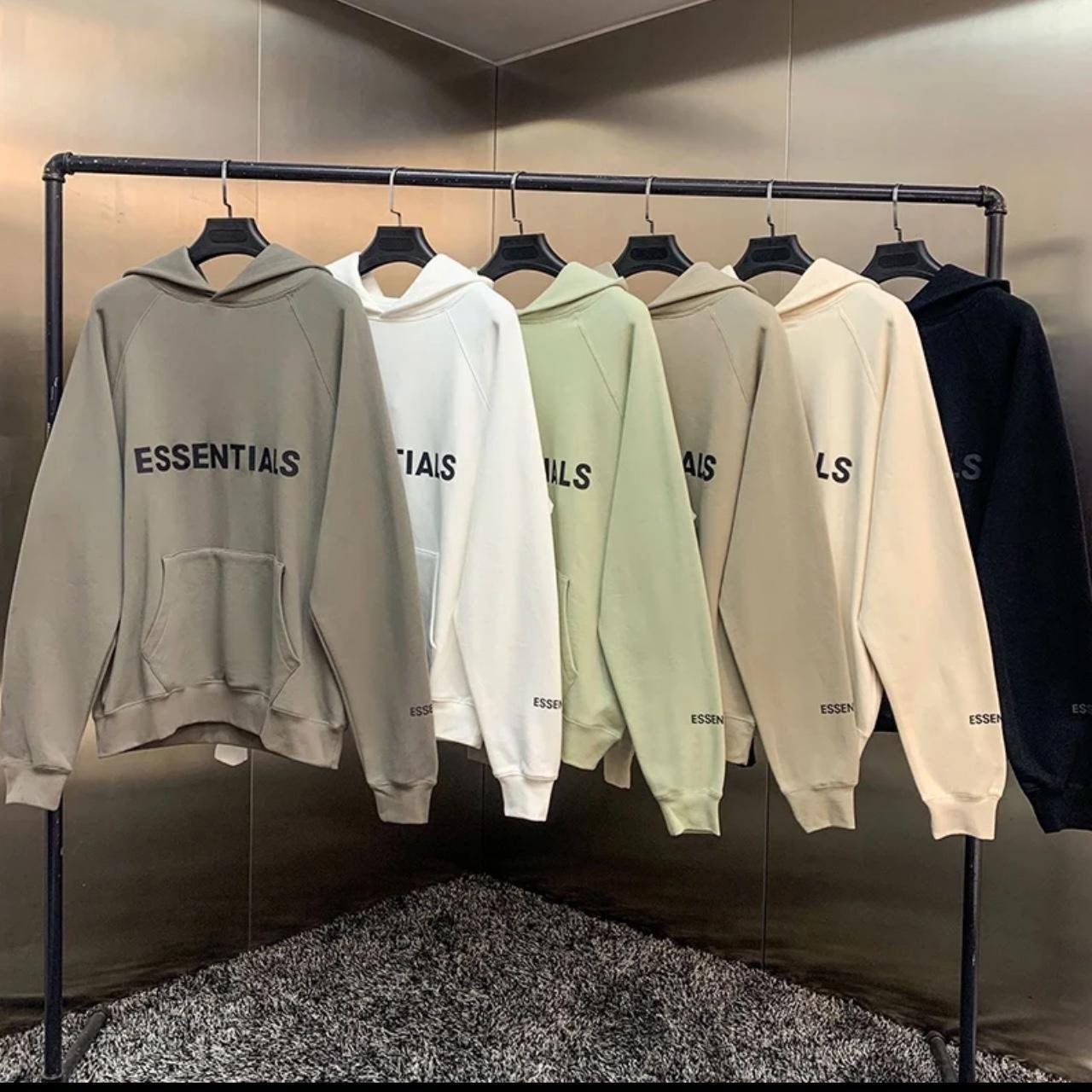
The Essentials Hoodie Canada collection brings a fresh approach to modern street style, combining comfort, quality, and versatility in one must-have wardrobe piece. Each hoodie is designed with premium materials to ensure Essentials Hoodie durability and softness, making it perfect for daily wear or layering during colder months. The collection offers a range of colors and styles,...
Netflix has secured the rights to the upcoming comedy-mystery film, Handsome, which promises a unique blend of humor and detective intrigue. The movie features Jeff Garlin, renowned for his roles in Curb Your Enthusiasm and The Goldbergs, who also directs and stars in the project. Set in a Columbo-style universe, the story follows Gene Handsome, a Los Angeles homicide detective, as he...