Spot Welder for Aluminum: Advanced Solutions for Modern Manufacturing
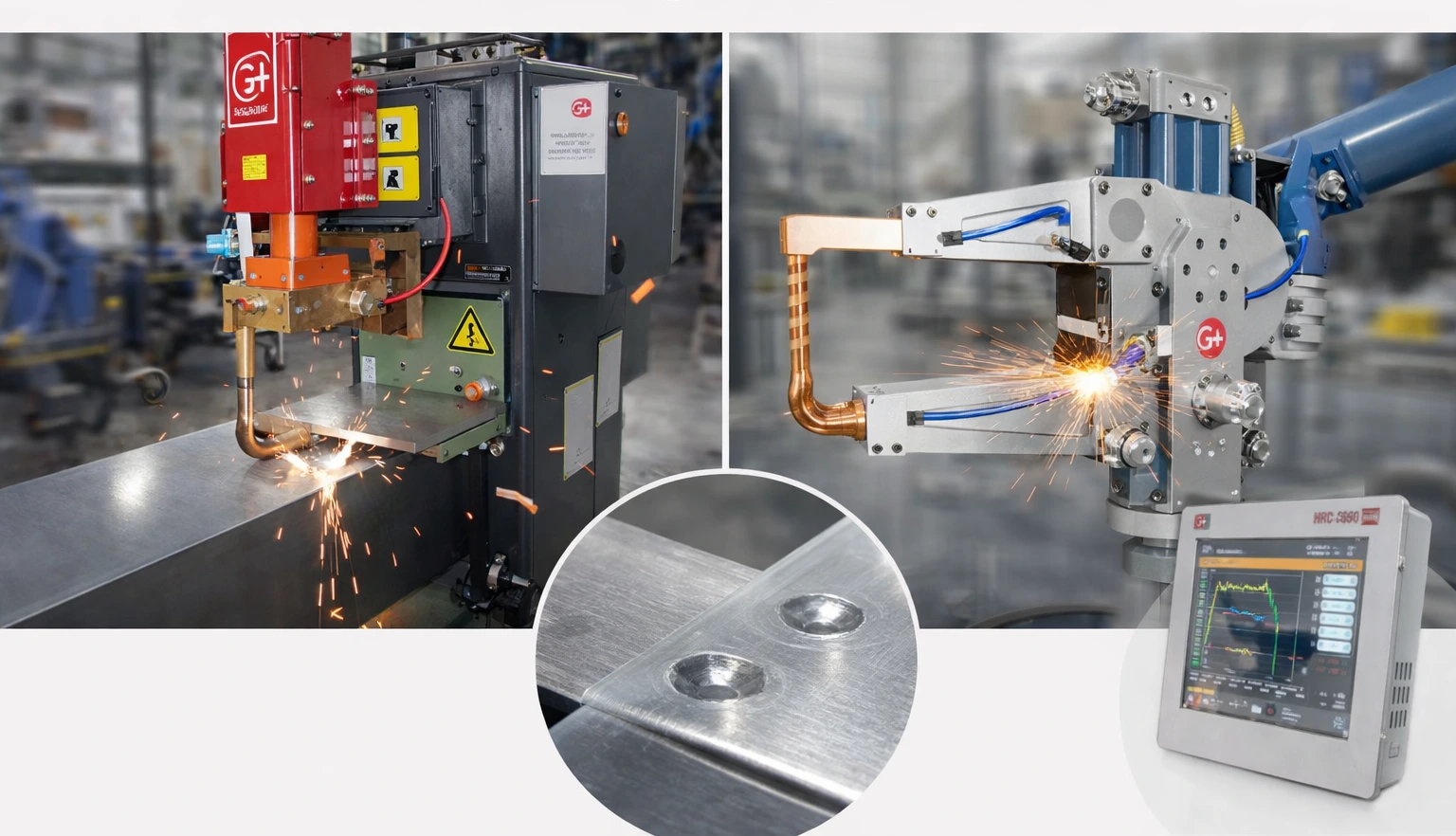
In today’s high-performance manufacturing environment, aluminum has become a material of choice due to its lightweight, corrosion resistance, and strength-to-weight ratio. However, joining aluminum efficiently presents unique challenges compared to traditional steel. For manufacturers, OEMs, and automation integrators, selecting the right spot welder for aluminum is crucial for quality, productivity, and long-term operational efficiency.
Heron Welder, a global leader in industrial welding and metal-joining solutions, provides advanced spot welding machines engineered specifically for aluminum applications, helping factories optimize production while maintaining the highest standards of precision and reliability.
Understanding Aluminum Spot Welding
Aluminum differs significantly from steel in its thermal and electrical properties. It has higher thermal conductivity and lower electrical resistivity, meaning heat spreads quickly, and the energy required for a weld must be precisely controlled.
A spot welder for aluminum uses resistance welding principles, where electrical current passes through metal sheets at the contact points between electrodes. The resulting heat melts the metal locally, forming a strong weld nugget upon cooling.
Key Challenges in Aluminum Spot Welding:
-
High Thermal Conductivity: Aluminum dissipates heat quickly, which can lead to weak or inconsistent welds.
-
Oxide Layer: Aluminum naturally forms an oxide layer that requires higher current and precise electrode control to penetrate.
-
Electrode Wear: Soft aluminum can stick to electrodes, increasing maintenance requirements.
Heron’s aluminum spot welders are designed to address these challenges with advanced control systems, optimized electrode materials, and programmable welding parameters.
Applications of Aluminum Spot Welding
Aluminum spot welding has a wide range of industrial applications where lightweight, durable metal joining is critical:
-
Automotive Manufacturing: Body panels, chassis components, and structural parts in electric and conventional vehicles.
-
Aerospace: Lightweight assemblies, interior frames, and fuselage components.
-
Consumer Electronics: Casings, frames, and small structural components.
-
Industrial Equipment: Enclosures, machinery parts, and aluminum assemblies requiring consistent weld quality.
Heron’s spot welder for aluminum is tailored for these sectors, offering high-speed, repeatable welding suitable for automation and production line integration.
Features of Heron Spot Welders for Aluminum
1. Advanced MFDC and Capacitor Discharge Technology
Modern aluminum spot welding requires precise control of current, pulse duration, and electrode force. Heron offers MFDC (Medium Frequency Direct Current) spot welders and capacitor discharge systems, providing:
-
Rapid, controlled energy delivery
-
Reduced heat input and minimized distortion
-
Consistent weld nuggets even on thin or difficult-to-weld aluminum alloys
2. Durable Electrode Systems
Heron’s aluminum spot welders use specially coated electrodes and advanced clamping designs to reduce sticking and wear, ensuring long-term operational reliability and lower maintenance costs.
3. Automation-Ready Design
For factories seeking fully automated production lines, Heron’s machines integrate seamlessly with robotic arms, conveyors, and programmable controllers. This enables high-volume, repeatable aluminum welding with minimal human intervention.
Spot Welder for Aluminum vs. Steel
Understanding the differences between welding aluminum and steel helps manufacturers optimize their production strategy:
| Feature | Aluminum | Steel |
|---|---|---|
| Electrical Resistivity | Lower | Higher |
| Thermal Conductivity | High | Moderate |
| Heat Input | Requires precise, high current pulses | More forgiving, less sensitive |
| Electrode Wear | Higher risk, specialized electrodes needed | Standard electrodes sufficient |
| Weld Nugget Quality | Sensitive to current & timing | Easier to achieve consistent nuggets |
Heron’s aluminum spot welders are engineered specifically for these differences, ensuring consistent weld quality and reduced rework compared to using generic steel welders.
Best Practices for Aluminum Spot Welding
-
Surface Preparation: Clean aluminum surfaces to remove oil, dirt, or oxide layers for optimal welding results.
-
Electrode Maintenance: Use the recommended electrode materials and replace them periodically to prevent sticking.
-
Parameter Optimization: Set current, pulse duration, and force based on aluminum thickness and alloy composition.
-
Cooling Control: Ensure proper cooling cycles to avoid distortion or cracking.
-
Automation Integration: Leverage programmable controls and robotic systems for high-volume production.
By following these best practices, manufacturers can maximize efficiency, weld quality, and equipment longevity.
Why Choose Heron Welder?
Heron Welder combines decades of expertise in resistance welding, automation, and metal-joining technology. Key advantages for choosing Heron for aluminum spot welding include:
-
Customized Solutions: Machines tailored to your alloy, thickness, and production requirements.
-
Global Support: Service, spare parts, and technical guidance worldwide.
-
High Efficiency: Reduced energy consumption and faster cycle times.
-
Automation Compatibility: Seamless integration with modern production lines and robotics.
Whether you are upgrading existing equipment or building a new automated line, Heron provides comprehensive solutions from consultation to implementation.
FAQs About Aluminum Spot Welding
1. Can I weld all aluminum alloys with a spot welder?
Most alloys can be welded, but factors like thickness, alloy composition, and oxide layers influence the choice of welder and parameters. Heron’s engineers help select the right setup.
2. How does MFDC improve aluminum spot welding?
MFDC provides faster, controlled current pulses with reduced heat input, minimizing distortion and improving weld consistency.
3. How often should electrodes be replaced?
Electrode life depends on usage, alloy type, and welding parameters. Heron provides maintenance schedules and high-durability electrodes for extended service.
4. Is automation necessary for aluminum spot welding?
While manual welding is possible, automation ensures consistent weld quality, higher throughput, and lower labor costs, especially for high-volume applications.
5. Can Heron spot welders integrate with existing production lines?
Yes. Heron machines are designed for easy integration with robotic systems, conveyors, and PLC-based automation setups.
Take Your Aluminum Welding to the Next Level
Choosing the right spot welder for aluminum is critical for efficiency, quality, and reliability in modern manufacturing. Heron Welder offers innovative, high-precision solutions that meet the demanding requirements of automotive, aerospace, electronics, and industrial applications.
Request a quote today or consult our team to design a customized aluminum welding solution that enhances productivity, reduces downtime, and ensures superior results. Heron Welder your partner for precision, automation, and excellence in metal joining.
Κατηγορίες
Διαβάζω περισσότερα
Introduction: The Hidden Reason Weight Loss Feels Impossible For many people, weight loss feels like a constant struggle despite genuine effort. Diets are followed, workouts are started, Umrah Packages and motivation is high in the beginning, yet results often fail to last. This repeated cycle leads to frustration and self-blame. However, the real issue is rarely a lack of effort. In most...

The current season, titled "Season of Witchcraft," has been ongoing for several weeks. As the Maxroll team shifts their focus toward the upcoming season, which has been postponed by a few weeks as recently announced, fans can look forward to some exciting updates. To keep us entertained during the wait, Blizzard has announced the 2.2.0 Campfire Chat. This upcoming event promises to deliver a...

In today’s fast-paced lifestyle, people want skin treatments that deliver visible results without long recovery time. Best Plastic Surgeons in dubai Support Chemical Peels with Quick Recovery The Best Plastic Surgeons in dubai often support chemical peel treatments because they provide effective skin improvement without surgery. Chemical peels focus on surface-level skin...
A highly anticipated six-episode miniseries, inspired by Margaret Atwood's acclaimed novel, is set to launch on Netflix worldwide outside of Canada this fall. Centered around true events, the series explores the life of Grace Marks, a young Irish immigrant and domestic worker in Upper Canada, portrayed by Sarah Gadon. Grace's story intersects with that of James McDermott, a stable hand played...
In the rapidly evolving landscape of digital finance, India has witnessed a phenomenal transformation. The surge in smartphone penetration and supportive government initiatives like the Unified Payments Interface (UPI) have made digital transactions a daily reality for millions. For businesses, navigating this shift and integrating a reliable, cost-effective payment system is crucial....