Essential Dentist Extraction Tools for Modern Practices
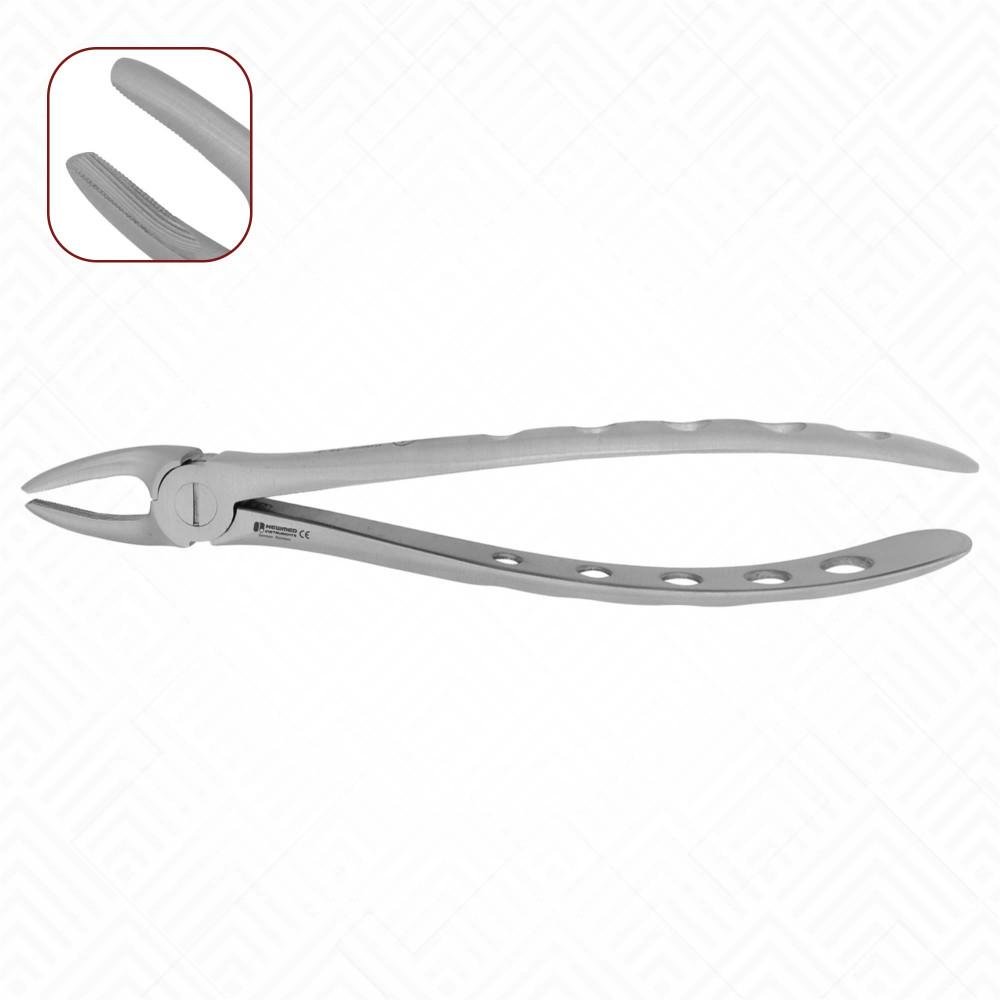
Successful oral surgery relies heavily on the quality and precision of the instruments used. While technique and experience are vital, having the right equipment ensures procedures are efficient and minimally traumatic for patients. Every dental professional understands that extractions require a delicate balance of force and finesse. The critical role that specialized dentist extraction tools play in achieving optimal results during tooth removal procedures.
The Importance of Precision in Oral Surgery
Dental professionals constantly seek ways to improve patient outcomes and reduce recovery times. The choice of instruments directly impacts the success of an extraction procedure. High-quality tools allow surgeons to preserve the surrounding bone and soft tissue, which is crucial for future restorative work like implants. When a practitioner uses superior dentist extraction tools, they gain better tactile feedback and control. This precision reduces the risk of complications such as root fractures or damage to adjacent teeth. Investing in reliable instrumentation is not just about ease of use but is a fundamental component of patient safety and care standards.
Understanding Dental Elevators and Luxators
Before forceps ever touch a tooth, elevators and luxators do the heavy lifting. These instruments are designed to severe the periodontal ligament and expand the alveolar socket. A luxator acts as a wedge to cut the ligament and gently ease the tooth from its socket, preserving the bone structure. Elevators, on the other hand, use leverage to lift the tooth. The design of these tools varies significantly, with straight, curved, and angled tips available to access different areas of the mouth. Using the correct elevator reduces the force needed later in the procedure, making the experience smoother for both the clinician and the patient. Proper selection of these initial instruments sets the stage for a successful extraction.
The Role of Extraction Forceps
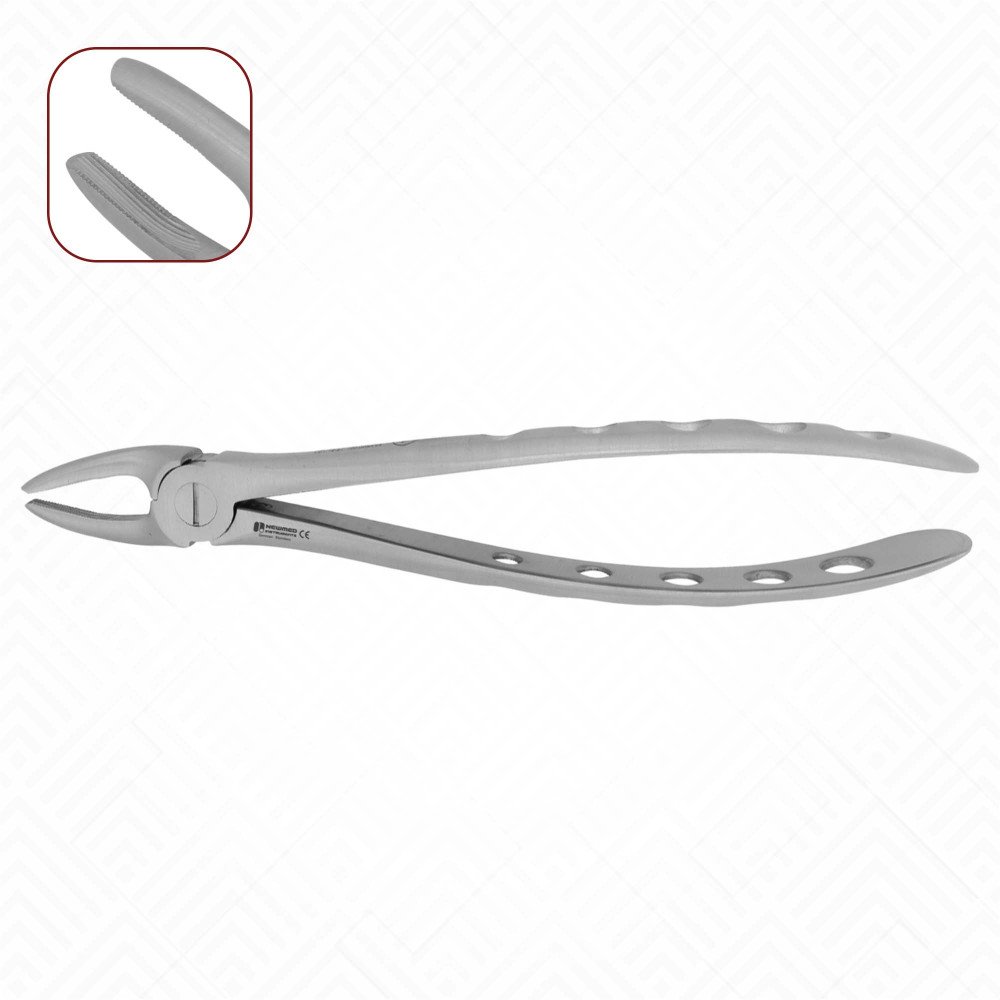
Once the tooth is sufficiently mobile, extraction forceps are employed to complete the removal. These instruments are designed to grasp the tooth firmly at the root, allowing for controlled movement. Forceps come in a wide array of shapes and sizes, each tailored to specific teeth in the dental arch. For instance, cowhorn forceps are excellent for gripping mandibular molars, while bayonet forceps are ideal for reaching upper roots. The grip and balance of these dentist extraction tools are critical for preventing slippage. A secure grip ensures that the force is applied exactly where it is needed, minimizing trauma to the surrounding gingival tissue.
Quality Manufacturing and Materials
The durability and performance of surgical instruments depend entirely on the materials used in their construction. Stainless steel is the industry standard due to its resistance to corrosion and ability to withstand repeated sterilization cycles. However, the craftsmanship behind the steel matters just as much. Instruments must be forged with precision to ensure hinges move smoothly and tips align perfectly. Poorly made tools can rust, become dull quickly, or even break under pressure. New Med Instruments seeks to provide quality Surgical instruments and superior service to Surgeons, Students and healthcare Professionals all over the world, who value perfect and precise results for their patients. Whether a surgeon is just starting his practice or endeavoring to improve his techniques and add new procedures to an established repertoire, our products will meet his specific surgical needs. This commitment to quality ensures that every extraction is performed with the best possible equipment.
Specialized Instruments for Complex Cases
Not all extractions are straightforward, and some require more than just basic elevators and forceps. Impacted wisdom teeth or roots that have broken below the gum line demand specialized approaches. In these scenarios, tools like periotomes and root tip picks become indispensable. Periotomes have thin, sharp blades that can enter tight spaces to sever ligaments with minimal tissue disruption. Root tip picks allow surgeons to retrieve small fragments that might otherwise be impossible to grasp. Having a diverse kit of dentist extraction tools ensures that a practitioner is prepared for unexpected complications. Being equipped for complexity reduces surgical time and enhances the overall efficiency of the dental practice.
Maintaining Your Surgical Inventory
Caring for these instruments is as important as selecting them. Proper cleaning, sterilization, and storage prolong the life of surgical tools and ensure they remain safe for patient use. Residue left on instruments can lead to corrosion or cross-contamination, so rigorous protocols must be followed. Regular inspection of hinges and tips helps identify wear and tear before it affects a procedure. Dull instruments require more force, which increases the risk of accidents. By maintaining a high standard of instrument care, dental professionals protect their investment in premium dentist extraction tools and ensure consistent performance over time.
Enhancing Clinical Outcomes
The ultimate goal of any dental procedure is to resolve the patient's issue with minimal discomfort and maximum success. The right tools facilitate this by allowing for atraumatic extractions that heal faster and with fewer complications. When the bone is preserved and tissue trauma is minimized, patients experience less post-operative pain and swelling. This leads to higher patient satisfaction and a better reputation for the dental practice. Choosing the right dentist extraction tools is a strategic decision that influences the long-term success of clinical treatments. It is an investment in professional excellence and patient well-being.
Categorie
Leggi tutto
Travelling to and from the airport should be seamless, stress-free, and luxurious. At Classy Rides Limo, we specialize in delivering dependable and refined Airport Transportation Services San Diego designed to meet the expectations of modern travellers. Whether you are flying for business, leisure, or a special occasion, our professional chauffeurs and premium fleet ensure your journey begins...

在數位娛樂快速發展的時代,線上娛樂平台已成為許多玩家日常生活的一部分。而在眾多平台之中,Gameone 憑藉穩定的系統、安全的環境以及多元化的娛樂內容,成功建立了良好的市場口碑。關鍵詞 gameone 不僅代表一個娛樂品牌,更象徵著高品質、專業化與使用者體驗並重的線上娛樂新標準。 Gameone 品牌定位與核心理念 Gameone 自成立以來,始終以「用戶體驗優先」作為核心經營理念。平台致力於打造一個公平、公正且高度安全的娛樂環境,讓每一位玩家都能安心享受娛樂帶來的樂趣。無論是新手玩家還是資深用戶,gameone 都能提供順暢、穩定且具吸引力的操作體驗。 多元娛樂內容,滿足不同玩家需求 Gameone 平台整合多種類型的娛樂項目,涵蓋熱門線上遊戲、即時互動娛樂以及多樣化的休閒玩法。平台內容持續更新,緊跟市場趨勢,確保玩家每一次登入 gameone,都能感受到新鮮感與刺激感。...

It contains been even further than a 12 months considering that the Cleveland Cavaliers learned Max Strus inside a indication and exchange presenting Cedi Osman and Lamar Stevens. Searching again, how consists of this exchange saved up?The 1st sipStrus was coveted through the Cavaliers for his a few reality taking pictures. A amount of money marksman who assisted Miami rattle off a Cinderella...

When it comes to cannabis, freshness matters more than most people realize. How you store your weed can make or break your experience. Poor storage can turn high-quality buds into dry, tasteless plant matter faster than you might think, and no one wants that. Here’s why proper storage is so important and how it can keep your stash in top shape: The Science Behind Fresh Weed Cannabis is...

freelancer marketplace A freelancer marketplace is a digital platform where businesses meet skilled professionals for project-based work. Freelancers create profiles, showcase their portfolios, and attract clients from all over the world. Companies benefit by accessing specialized talent without long-term hiring, while freelancers enjoy flexibility, multiple income streams, and the opportunity...