


Timeless Beauty: Exploring Traditional Home Design Plans
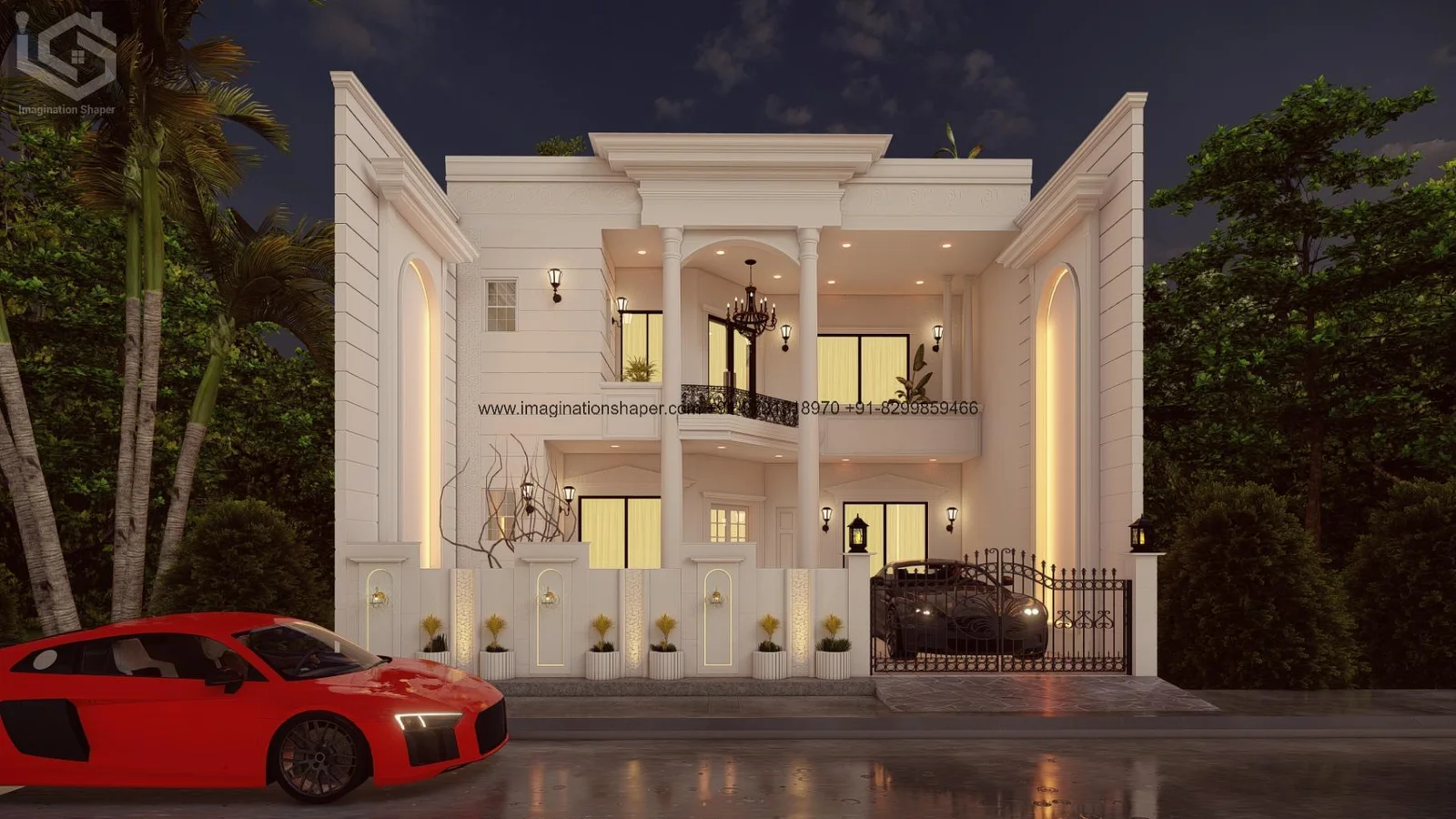
Introduction
Traditional home design plans refer to architectural layouts inspired by cultural heritage, historical building styles, and time-tested construction methods. These designs are rooted in regional customs and often reflect the lifestyle, climate, and social values of a particular area. Unlike modern minimalist architecture, traditional designs emphasize detail, craftsmanship, and a strong connection to cultural identity.
Key Principles of Traditional Design
Traditional home designs are guided by a few core principles that have been passed down through generations. Symmetry is often a major feature, creating balanced and visually pleasing structures. Functionality is equally important, with rooms arranged to serve clear purposes such as living, cooking, and sleeping spaces. Ventilation and natural lighting are also carefully considered, especially in older designs that rely on passive cooling methods rather than modern air conditioning systems. Another key principle is the use of local materials. Wood, stone, clay, and brick are commonly used depending on regional availability. This not only reduces construction costs but also ensures that homes blend naturally with their environment.
Regional Styles in Traditional Homes
Traditional home design varies widely across different regions. For example, South Asian homes often include courtyards that provide ventilation and a communal gathering space. In contrast, European traditional homes, such as Victorian or Colonial styles, emphasize ornate detailing, pitched roofs, and formal room layouts. In East Asian architecture, simplicity and harmony with nature are central ideas. Japanese traditional homes often feature sliding doors, wooden structures, and tatami mat flooring. Meanwhile, Middle Eastern traditional homes focus on privacy, inward-facing courtyards, and thick walls to combat heat. Each regional style reflects the climate, cultural beliefs, and historical influences of its area, making traditional design highly diverse and meaningful.
Layout Planning in Traditional Homes
The layout of traditional home design plans is typically designed to support family life and social interaction. Many designs include separate spaces for guests and private family use. Kitchens are often placed in the rear or side of the house, while living rooms occupy central or front areas for accessibility. Courtyards, verandas, and open corridors are common features that improve airflow and create semi-outdoor living spaces. Bedrooms are usually positioned to ensure privacy and comfort, often away from noisy areas of the house.
Materials and Construction Techniques
Traditional homes rely heavily on natural and locally sourced materials. Stone foundations, wooden beams, clay bricks, and lime plaster are commonly used in many regions. These materials are valued not only for their availability but also for their durability and thermal properties. Construction techniques in traditional design are often labor-intensive and handcrafted. Skilled artisans play a major role in carving woodwork, laying bricks, and creating decorative elements. This craftsmanship adds uniqueness to every home.
Sustainability in Traditional Design
One of the strongest advantages of traditional home design is its sustainability. These homes are naturally energy-efficient because they are designed according to local climate conditions. Thick walls help regulate temperature, while courtyards and windows allow for natural ventilation. The use of biodegradable and renewable materials also reduces environmental impact. As modern architecture moves toward eco-friendly solutions, traditional designs are increasingly being studied and adapted for sustainable living.
Advantages of Traditional Home Design Plans
Traditional home designs offer several benefits beyond aesthetics. They provide a strong sense of cultural identity and heritage, making homes feel more meaningful and personal. Their natural cooling and heating systems reduce energy costs, and their durable materials ensure long-lasting structures.Additionally, these homes often create a warm and inviting atmosphere due to their thoughtful layouts and detailed craftsmanship. They are especially valued by those who appreciate history, tradition, and architectural beauty.
Conclusion
Traditional home design plans represent a timeless approach to architecture that blends culture, functionality, and sustainability. While modern designs focus on simplicity and efficiency, traditional homes stand out for their character, detail, and deep connection to history. By preserving and adapting these designs, we can maintain cultural heritage while still meeting modern living needs.
الأقسام
إقرأ المزيد
Introduction to Revenue Scaling with Paid Ads A Revenue Scaling with Paid Ads Course is designed for marketers, entrepreneurs, and business owners who want to move beyond basic advertising and achieve consistent growth. Instead of just running ads, this course focuses on building scalable systems that generate predictable revenue. It teaches how to identify winning campaigns, optimize...

Cosmetic procedures have become increasingly popular in recent years, especially treatments designed to refresh and rejuvenate the delicate under-eye area. Many people experience dark circles, hollow tear troughs, and tired-looking eyes due to aging, stress, or genetics. One of the most effective non-surgical solutions is under eye filler treatment. In this article, experts explain whether...

在現今的線上娛樂世界中,選擇一個可靠且多元化的平台至關重要。而 Gam Queen 正是這樣一個能夠滿足各類玩家需求的線上娛樂平台。作為 game-queen 推出的優質服務,Gam Queen 不僅提供豐富的遊戲種類,還以安全、公平和便捷的使用體驗著稱。 Gam Queen 平台擁有多款熱門遊戲,包括真人娛樂、電子遊戲、棋牌競技等,無論你是喜歡策略挑戰還是休閒娛樂,都能在這裡找到屬於自己的遊戲樂趣。平台的設計注重玩家體驗,界面簡潔直觀,操作流暢,讓新手玩家也能快速上手,享受遊戲的樂趣。 在 Gam Queen 上,每一位玩家的安全都是平台首要考量。使用先進的加密技術保護個人資料和資金交易,確保每一次充值、投注與提現都安全無憂。除此之外,平台還設有專業客服團隊,全天候提供即時支援,解決玩家在遊戲過程中遇到的任何問題。 對於追求刺激與挑戰的玩家,Gam Queen...

A new dark comedy series will soon bloom from Mexico, thanks to the creative vision of director Manolo Caro. Netflix has greenlit this original project, with filming set to begin in early 2017. The story centers on a picture-perfect family flower business, hiding deeply dysfunctional roots. After the death of his secret mistress, the patriarch makes a shocking decision. He brings their unknown...

El Mercado de Seguros de Salud se ha consolidado como un componente estratégico dentro del ecosistema global de atención médica y bienestar. Factores como el envejecimiento de la población, el aumento de enfermedades crónicas y la creciente conciencia sobre la cobertura médica han impulsado un crecimiento constante en los últimos años....
