Understanding the Types of Metal Roofing: Pros & Cons
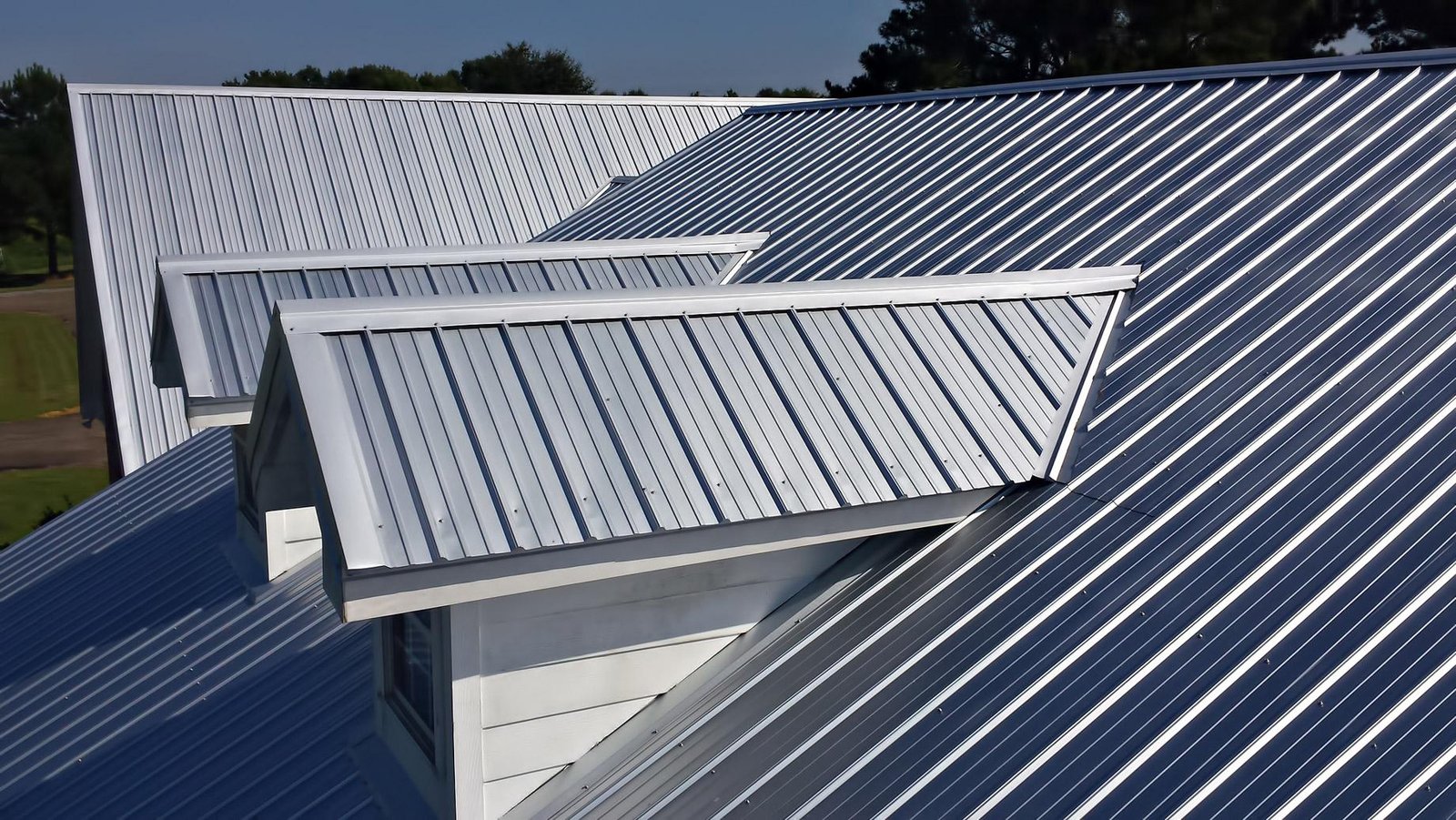
The types of metal roofing are gaining interest for residential and industrial buildings. It is due to its durable nature. It also gives a modern appearance. The appearance of the building matters a lot. Metal roofs are used for their long life. They can also resist harsh weather easily. All metal roofings are not the same. Each roofing has its own benefits and drawbacks. This can depend on budget and climate. It also depends on design needs. The material is selected according to the design of the building. Understanding the types of material can help property owners. It helps make good decisions. It can help them choose the right material. It can help make good decisions. This article explains the topic along with its pros and cons.
Why Choose Metal Roofing?
It is important to know why metal roofing is used. It becomes easy to choose when you know that metal roofing offers a long lifespan. It is also resistant to fire and extreme weather. It needs very low maintenance. It is a good reflector of heat. It gives a good and clean appearance to your interior. The installation process is about the type of material you select.
Seam Metal Roofing
This is a good choice for metal roofing. It has vertical panels with raised seams that lock together.
Pros:
It is a good water-resistant material. It is used for modern and sleek designs. It gives good performance.
Cons:
It also reduces leakage risks. It is very costly to install. It needs professional installation.
Corrugated Metal Roofing
It has a wavy pattern. It is one of the oldest metal roofing styles. It is mostly used in agricultural and industrial structures.
Pros:
-
Affordable options
-
lightweight material
-
easy to install
-
good durability.
Cons:
-
Exposed fasteners may loosen over time
-
A less modern appearance
-
can be noisy during heavy rain.
It can reduce the budget. It requires regular maintenance.
Metal Shingles
They are designed to look like traditional shingles and tiles. This combines classical roofing and the strength of metal.
Pros:
-
Attractive and stylish design
-
durable and weather-resistant
-
lower maintenance than traditional shingles
Cons:
-
more expensive than asphalt shingles
-
Installation can be complex
It is for those who need beauty and durability together.
Aluminium Roofing
It is a lightweight roofing material. It is also rust-resistant. It is good for coastal areas where salt spray is common.
Pros:
It is also corrosion-resistant. It is lightweight and easy to install. It is good for the climate that is humid.
Cons:
It is a very soft metal and can be bent easily. It has a high material cost compared to steel. Aluminum roofing is for regions that have salty air or dampness.
Steel Roofing
Steel is the most used metal in materials. It is used because of its cost-effectiveness.
Pros:
It is a very strong and durable material. It is available in many coatings for rust protection. It is more affordable than aluminum.
Cons:
Its coating can rust over time. It is heavier than aluminum. It is used in large projects.
Coper Roofing
Copper roofing is used for its beauty. It is also long-lasting. It develops a natural green patina over time.
Pros:
-
long-lasting
-
attractive appearance
-
low maintenance
Cons:
-
Very expensive
-
limited availability
-
requires skilled installation.
Copper is used for luxury homes or historic buildings.
Factors to Consider Before Choosing
Check for these factors to select types of metal roofing:
-
budget and material cost
-
local weather conditions
-
building design and structure
-
maintenance needsexpected lifespan.
Getting proper cost estimation is a need to start a project. Property owners take the help of professionals. They offer metal roofing estimating services. This can help understand material quantities and labor costs clearly.
Installation and Cost Planning
Metal roofing should be installed properly. It gives it durability. Bad installation can cause leakage or structural issues. Working with an experienced construction estimating company can also help. It helps property owners to plan their budget. It can also help avoid unexpected costs. Proper planning is needed for good roof performance. A roof works better if planned properly.
Conclusion
Understanding the types of metal roofing is helpful for builders. It can help owners make better choices. It can help uh in making good decisions. All types of roofing material have their own advantages. They do come with some disadvantages as well. The right choice depends on the budget and climate. It also depends on the design you need for your roofing. Metal roofing also requires a high investment at the start. It also gives durability if installed correctly. A good installation also helps with low maintenance. The pros and cons of the material should be considered.
Before selecting it for your building, it also depends on the type of building. Choosing the right material can help you reduce the cost of the project. Planning is also a need for good roofing installation. Always choose a metal roofing solution that fits your needs. A good roofing solution lasts for many years.
Categories
Read More
In the rapidly evolving world of automobile servicing, the expectations of customers have grown far beyond simply dropping off a vehicle for an oil change and waiting for a call. Umrah Packages Today’s drivers view vehicle maintenance as an extension of the seamless service experiences they receive in other industries, expecting convenience, transparency, and expert care at...

Best Plastic Surgeon in Dubai for RF Microneedling When it comes to advanced skin rejuvenation, choosing the Best Plastic Surgeon in Dubai is crucial. At Perfect Doctors Clinic, Dr. perfect celebrity specializes in Radiofrequency (RF) Microneedling in Dubai, delivering exceptional results for clients seeking smoother, firmer, and youthful skin. With state-of-the-art technology and a...

Keeping your home or workplace free from pests is essential for maintaining hygiene, safety, and peace of mind. In a growing city like Islamabad, pest problems are becoming more common due to urban expansion and changing weather conditions. That is why professional Pest Control Islamabad services are more important than ever. Companies like Hifazat Pest Control Services are dedicated to...
Indian entrepreneurs are increasingly choosing Dubai as a global business destination due to its strategic location, tax-friendly policies, and strong infrastructure. Understanding the complete process helps avoid confusion and delays while ensuring compliance with UAE regulations. The business setup in Dubai is structured and transparent, making it accessible for Indians who plan carefully and...

Most seasons in GOP 3 don't fall apart because you played badly. They fall apart because you spent like you didn't care. Materials disappear fast, and once they're gone, you're stuck waiting while everyone else keeps climbing. If you're short on chips and want to keep your runs smooth, it helps to plan ahead and stay topped up. As a professional like buy game currency or items in rsvsr...