


How to Store Kratom: The Complete Guide to Keeping Your Kratom Fresh and Potent
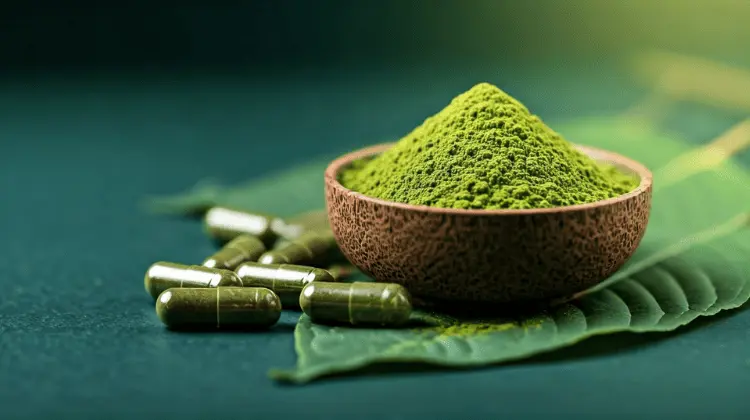
Kratom is a significant investment — whether you buy it in small batches or stock up in bulk. But even the highest-quality kratom can lose its potency, change its smell, or become unsafe to consume if it's stored incorrectly. The good news is that proper kratom storage is simple once you know what you're doing.
This guide covers everything you need to know about storing kratom the right way — from the four biggest enemies of freshness to long-term storage strategies, common mistakes to avoid, and practical tips for every type of user.
Why Kratom Storage Actually Matters
Before getting into the how, it helps to understand the why.
Kratom's effects come primarily from its alkaloid content — specifically, mitragynine and 7-hydroxymitragynine. These alkaloids are not permanent. They degrade over time, and the rate of that degradation is directly affected by the conditions in which your kratom is kept.
When kratom is stored poorly:
- Alkaloid content drops, meaning you need more to feel the same effects
- Oxidation occurs, which changes the color, smell, and taste of the powder
- Moisture gets in, creating a breeding ground for mold and bacteria
- UV light breaks down the active compounds, especially in clear or thin containers
Fresh, properly stored kratom has a rich green color (for powder), a distinct earthy aroma, and a consistent texture. Degraded kratom often looks faded, smells musty or off, and clumps together from moisture exposure.
The shelf life of well-stored kratom can be anywhere from one to three years. Poorly stored kratom can lose significant potency in just a few weeks.
The Four Main Enemies of Kratom Freshness
Every storage decision you make should be oriented around protecting your kratom from these four factors:
1. Light (especially UV)
Ultraviolet light is one of the fastest ways to degrade kratom alkaloids. Transparent bags or glass containers left on a windowsill or counter expose the powder to continuous UV radiation. Even indirect sunlight over time causes measurable degradation.
Solution: Always store kratom in opaque containers or in a dark location, away from any windows or light sources.
2. Air and Oxygen
Exposure to oxygen causes oxidation, which slowly breaks down the chemical compounds in kratom. Every time you open your container and leave it sitting out, oxygen gets in and starts working against your kratom's potency.
Solution: Use airtight containers and minimize the time your kratom is exposed to open air. Vacuum-sealed options are even better for long-term storage.
3. Moisture and Humidity
Moisture is arguably the biggest threat. Kratom powder is hygroscopic, meaning it naturally absorbs moisture from its environment. Humid storage conditions lead to clumping, mold growth, and bacterial contamination — none of which are safe or desirable.
Solution: Store kratom in a cool, dry space with low humidity. Never store it in a bathroom, near a kitchen sink, or anywhere with steam or condensation.
4. Heat
High temperatures accelerate chemical reactions, including the breakdown of alkaloids. Storing kratom near a stove, on top of a refrigerator, or in a hot car during summer can significantly shorten its shelf life.
Solution: Room temperature or slightly below is ideal. A consistent temperature between 60–75°F (15–24°C) is the sweet spot.
Best Containers for Storing Kratom
The container you choose makes a significant difference. Here's a breakdown of the most commonly used options:
Airtight Glass Jars
Mason jars or amber glass jars with tight-fitting lids are among the best options for kratom storage. Glass doesn't absorb odors, doesn't leach chemicals, and creates a solid airtight seal. Amber or dark-tinted glass also blocks UV light.
Best for: Medium to long-term storage for users who buy in moderate quantities.
Mylar Bags (Vacuum-Sealed)
Mylar bags, especially when vacuum-sealed, are the gold standard for long-term kratom storage. They block light, are airtight when sealed, and take up very little space. Many serious kratom users who buy in bulk use Mylar bags to store multiple smaller portions.
Best for: Bulk buyers and anyone storing kratom for more than a few months.
Stainless Steel Containers
Food-grade stainless steel canisters with airtight lids are another excellent option. They block light completely, don't react with the contents, and are very durable.
Best for: Daily users who want something sturdy and kitchen-safe.
Food-Grade Plastic with Airtight Lids
While not ideal for long-term storage, thick food-grade plastic containers with airtight lids work well for short-term use (a few weeks to a couple of months). Avoid thin, flimsy plastic that kratom can absorb odors from.
What to Avoid: Clear plastic bags, zip-lock bags for any extended period, or any container that doesn't seal properly.
Where to Store Kratom
The container is only half the equation. Where you keep it matters just as much.
Pantry or Kitchen Cabinet
A closed pantry or kitchen cabinet away from the stove and sink is one of the most practical storage locations for everyday users. It's dark, generally cool, and low-humidity — three of the four key requirements.
Bedroom Closet or Dresser Drawer
For those who prefer to keep their kratom discreet, a bedroom closet or drawer works well. Temperature is typically stable in bedrooms, and there's no exposure to cooking steam or moisture.
Basement Storage (with caveats)
Basements can work well if they're dry and climate-controlled. However, many basements have humidity problems, which can actually make them worse for kratom than a regular room. If you use a basement, consider adding a small silica desiccant pack inside the container.
What About the Refrigerator or Freezer?
This is a common question. The short answer: the freezer is acceptable for very long-term storage, but only if done correctly. Here's the concern — every time you remove a container from the freezer, condensation can form inside as the temperature shifts. That moisture exposure, repeated over time, does more harm than good.
If you choose to freeze kratom:
- Divide it into single-use portions before freezing
- Use vacuum-sealed Mylar bags or airtight jars
- Allow the container to reach room temperature completely before opening it
- Never refreeze kratom that has been thawed
For most users, freezing is unnecessary. Proper room-temperature storage is sufficient for 1–2 years.
How to Store Kratom by Form
Kratom Powder
Powder is the most common form and the most susceptible to moisture absorption due to its surface area. Keep it in airtight glass or Mylar containers. For larger quantities, divide into smaller portions so you're not constantly opening and re-exposing the full supply.
Kratom Capsules
Capsules are slightly more forgiving because the gelatin or vegetable casing provides an extra layer of protection. However, moisture is still a risk — the capsule shell can soften and degrade in humid conditions. Store in the original bottle with a silica desiccant packet, in a dark, dry location. Keep the lid tightly sealed after every use.
Kratom Extracts and Shots
Liquid kratom shots are typically shelf-stable when unopened, but once opened they should be consumed promptly — within a day or two at most. Liquid extracts are more perishable than powder because of their water content. Check the manufacturer's labeling for specific guidance on opened products.
Concentrated solid extracts (like extract powder or resin) should be stored the same way as regular powder — airtight, dark, and dry — but are generally more stable due to lower moisture content.
Long-Term Bulk Storage Strategy
If you buy kratom in large quantities (250g, 1kg, or more) — whether to save money or to ensure consistent supply — a tiered storage system makes the most sense:
Tier 1 — Daily Use Supply: Keep a small amount (enough for 1–2 weeks) in a convenient airtight container that you access regularly. This reduces how often you open your main stock.
Tier 2 — Monthly Reserve: A sealed jar or bag with a month's worth of supply, kept in your pantry or closet. Only opened to refill your Tier 1 container.
Tier 3 — Long-Term Stock: Vacuum-sealed Mylar bags stored in a dark, cool location. These remain unopened until you're ready to rotate them into Tier 2.
This approach significantly extends the life of your kratom and protects your investment — especially for those who purchase quality strains like Red Maeng Da or Trainwreck Kratom from Happy Go Leafy, where maintaining freshness means getting the most out of every serving.
Silica Desiccant Packs — Small Addition, Big Difference
Silica gel desiccant packets are inexpensive, widely available, and extremely effective at absorbing excess moisture inside your containers. Drop one or two into your storage jar or bag, and they'll absorb ambient humidity that sneaks in every time you open the container.
You can find food-safe desiccant packs at most grocery stores, online, or reuse them from other packaged products. Just make sure they're rated as food-safe before using them with kratom.
Signs Your Kratom Has Gone Bad
No matter how careful you are, it's worth knowing the signs that kratom has passed its prime:
- Color change: Fresh kratom powder is typically green or light brown. Noticeably faded, gray, or very dark coloring can indicate degradation.
- Unusual smell: Kratom has a natural earthy, slightly bitter aroma. A musty, sour, or moldy smell is a red flag.
- Clumping: Some minor clumping is normal, especially in humid climates, but large hard clumps suggest moisture exposure.
- Mold or visible growth: Discard immediately. Moldy kratom is not safe to consume.
- Dramatically reduced effects: If you're using the same strain and dose with noticeably weaker results, alkaloid degradation may have occurred.
When in doubt, err on the side of caution. Kratom is not worth consuming if there's any question about its quality.
Practical Tips for Everyday Users
A few final habits that make a real difference over time:
- Don't use wet spoons or measuring tools. Even small amounts of water introduced into your container will cause clumping and create moisture problems.
- Label your containers. Write the strain name, vein color, and date of purchase on every container. It helps you rotate stock properly and track freshness.
- Keep your storage space consistent. Avoid moving kratom between hot and cold environments repeatedly, as temperature fluctuations accelerate degradation.
- Avoid storing near strong odors. Kratom can absorb surrounding smells over time, especially in unsealed or semi-sealed containers.
- Buy from vendors who package well. The quality of the original packaging matters. Vendors who use thick, resealable bags with airtight closures are giving you a head start on freshness from the moment your order arrives.
Final Thoughts
Proper kratom storage is one of the most overlooked aspects of using kratom — but it's one of the easiest things to get right. You don't need special equipment or complicated systems. You just need to protect your kratom from the four main threats: light, oxygen, moisture, and heat.
Use airtight, opaque containers. Keep your supply in a cool, dry, dark location. Divide bulk purchases into smaller portions. Add a silica desiccant pack for good measure. These simple habits will ensure that your kratom stays as potent and fresh as the day it arrived — whether you're a casual user or someone building a long-term supply.
Good storage is essentially about respecting the product. When kratom is handled well, it pays you back with consistent quality and reliable effects every time you reach for it.
Categorias
Leia Mais
Zeus Esports clinched the top spot at the Winter 2025 Free Fire USA Championship, showcasing their dominance throughout the competition. Their impressive run in the grand finals saw them rack up 109 points over five matches, with notable achievements including 67 eliminations and three victorious "booyah" wins. As a result, they took home a prize of $10,000, celebrating their victory. Despite...

The psychological thriller draws inspiration from Sarah Pinborough's bestselling novel and will consist of six episodes produced through a collaboration between Left Bank Pictures and Sony Pictures Television. At the story's center is Louise, a single mother who has devoted herself entirely to raising her son following her husband's departure. She maintains their modest lifestyle through...
The Netflix ISP Speed Index reveals notable shifts for November 2016. CenturyLink in the U.S. saw a significant boost, with average speeds rising to 2.55 Mbps. In South Korea, D’live surged to first place, while LG U+ experienced a drop in ranking and speed. Taiwan's Hoshin Multimedia made a strong advance, whereas Kbro's performance slightly declined. Comclark in the Philippines claimed...
Freelancing marketplaces are transforming how businesses operate and how professionals earn a living. These digital platforms make it possible to connect talent with opportunity across borders, industries, and time zones. As remote work becomes more common, freelancing marketplaces are helping companies scale faster while giving freelancers the freedom to work independently and build diverse...

The ongoing debate surrounding the Israeli television series "Fauda" has intensified as the Boycott, Divestment, and Sanctions (BDS) movement has taken a firm stance against its broadcast. Recently, BDS representatives sent a formal letter to Netflix, urging the streaming giant to refrain from producing a third season of the acclaimed drama. They argue that the show propagates harmful...