


When Is the Best Time to Visit Agra Mathura Vrindavan from Delhi?
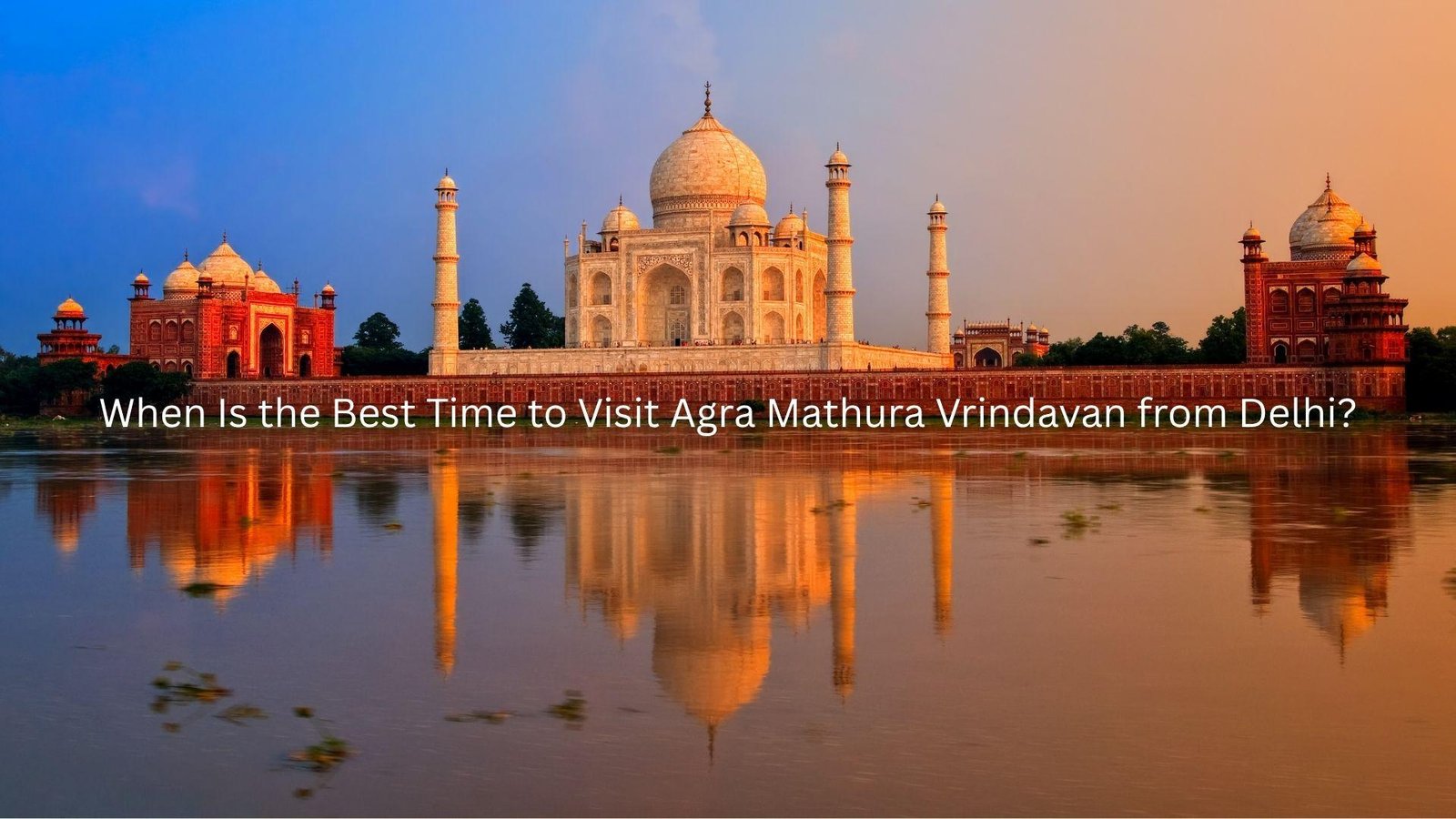
The drive out of Delhi toward Agra, Mathura, and Vrindavan never feels long, three, maybe four hours on the Yamuna Expressway and suddenly you’re there: standing in front of the Taj Mahal wondering how something so perfect exists, or slipping through Vrindavan’s narrow galis where every doorway seems to spill out bhajans, or watching oil lamps drift down the Yamuna during Mathura’s evening aarti. For anyone starting from Delhi, families squeezing in on a weekend, couples wanting a quiet escape, small groups of friends, it’s close enough to feel easy but deep enough to matter. The only thing that can really make or break it is when you go. Hit the wrong months and the heat, the crowds, or the rain will steal half the joy before you even start.
I’ve lost count of how many times I’ve sent people down this road, and the pattern is always the same: timing decides whether the trip feels effortless or exhausting. Here’s how the seasons actually play out on the ground.
Best Time to Visit Agra Mathura Vrindavan from Delhi
October–March: Winter Is the Easiest, Clearest Season
This is when almost everyone should come if they can. Days sit comfortably between 10–25 °C, mornings crisp enough for a proper Taj sunrise without melting, afternoons mild, evenings cool for walking the ghats or temple lanes. Yes, fog sometimes creeps in before dawn, expressway visibility drops, Taj looks wrapped in soft white, but it usually lifts by 9 or 10 a.m., and that pale winter sunlight makes the marble glow in a way summer never does.
Crowds exist (weekends and holidays pack out), but they’re nothing like peak madness. You can still get early or late Taj entries without feeling crushed; Mathura ghats and Vrindavan temples stay calm enough to hear the chants instead of just the noise. Kids don’t tire as fast, older folks manage the steps better, hotel rooms stay pleasant without the AC roaring all night. November, December, and February weekdays are about as good as it gets, book a couple of months ahead and you’ll have the sweet spot.
April–June: Skip It Unless You Love Heat
Summer here is rough. Temperatures regularly push 40–45 °C, sometimes higher, and there’s almost no shade. Taj Mahal’s white marble bounces the sun straight back at you; Fatehpur Sikri feels like an oven; Vrindavan’s parikrama paths and Mathura’s ghats turn into hot traps with zero relief. Even if you start at dawn, by 11 a.m. everyone’s drained, irritable, and hunting for anything cold that hasn’t warmed up yet.
The one upside? Fewer people. Locals and most tourists stay away, so some sites feel empty. Operators drop prices hard to fill spots. But comfort tanks so badly that the discounts rarely feel worth it. Unless you’re built for extreme heat or literally have no other dates, steer clear. The monuments look the same, but you won’t enjoy them.
July–September: Monsoon Can Be Beautiful—If You’re Flexible
Rain brings greener fields along the expressway, temperatures drop to 25–35 °C, and crowds thin out at most places. Taj Mahal in a light drizzle turns almost dreamlike, mist off the river, marble shining wet. Vrindavan and Mathura come alive during Janmashtami (usually August/September): temples packed with music, dahi handi, rasleela, midnight celebrations that feel electric if you’re into the devotional side.
The downside hits hard though: sudden heavy rain floods low spots, slows expressway traffic to a crawl, turns Vrindavan’s dusty lanes into slippery mud, and closes the Taj during downpours for safety. Open sites like Sikandra or Fatehpur Sikri become miserable. If you pick lighter monsoon weeks (early July or late September), stay flexible with plans, and don’t mind a bit of wetness, it can be rewarding, especially for spiritual travellers chasing Janmashtami energy. For families or anyone wanting predictable logistics, it’s a gamble.
Festival Windows: High Energy, High Crowds
A few dates crank everything up. Diwali (October/November) turns Agra and Mathura into glowing wonderlands, markets lit end to end, lamps floating everywhere. Janmashtami floods Vrindavan and Mathura with non-stop celebration. Holi (March) in Vrindavan and nearby Barsana is wild, colours flying, music blasting, pure chaos in the best way.
These moments make the trip unforgettable, but they also mean bigger crowds, higher prices, and traffic that crawls. Book transport and stay way ahead, add buffer time, and consider going a week before or after the peak day if you want the vibe without the full frenzy.
This loop from Delhi rewards picking the right window more than most short trips. Winter hands you comfort and beautiful light; monsoon gives atmosphere if you roll with it; summer is best avoided unless heat is your thing. Line it up with your group, cool months for kids and elders, festival dates for the spiritually inclined, and the whole escape feels effortless.
Wrapping Up!
agra mathura vrindavan tour package from delhi and rajasthan tour company operators who run this route regularly can nail the dates, dodge the worst crowds, and keep everything focused on what pulls people here: the Taj’s impossible beauty, Vrindavan’s living devotion, and the quiet draw of the Yamuna at dusk.
Categories
Read More
Managing finances effectively is critical for small businesses to grow and remain competitive. The use of small biz accounting software in UAE helps entrepreneurs streamline financial processes, reduce manual errors, and maintain accurate records. These software solutions provide tools to handle invoices, track expenses, manage payroll, and generate reports effortlessly. For small business...

Netherlands Bicycle Market Size & Forecast (2025–2033) According To Renub Research The Netherlands bicycle market is one of the most mature and structurally supported bicycle markets in the world, deeply rooted in national culture, urban planning, and sustainability goals. Cycling is not merely a recreational activity in the country but a fundamental mode of transportation used daily...

This compelling ten-part documentary series offers an exclusive and behind-the-scenes look into the world’s premier motorsport, Formula 1. It provides viewers with unprecedented access to the sport’s most intense battles, revealing not only the fierce competition on the track but also the personal sacrifices and ambitions of the drivers, team principals, and owners involved....

Accessing your account quickly and securely is essential for a smooth online experience. If you’re searching for clear information about dewacash login, this comprehensive guide will walk you through everything you need to know — from step-by-step login instructions to troubleshooting common issues and improving account security. What Is Dewacash Login? Dewacash login is the process...
Netflix is set to globally premiere a new comedy series in 2017, inspired by Justin Simien’s celebrated indie film, Dear White People. The 10-episode, half-hour series will explore racial dynamics at a predominantly white Ivy League college through a diverse group of students. Justin Simien will write the series and direct its first episode, with executive producers including Devon...