


How 3D Product Rendering Agencies Speed Up Your Launches
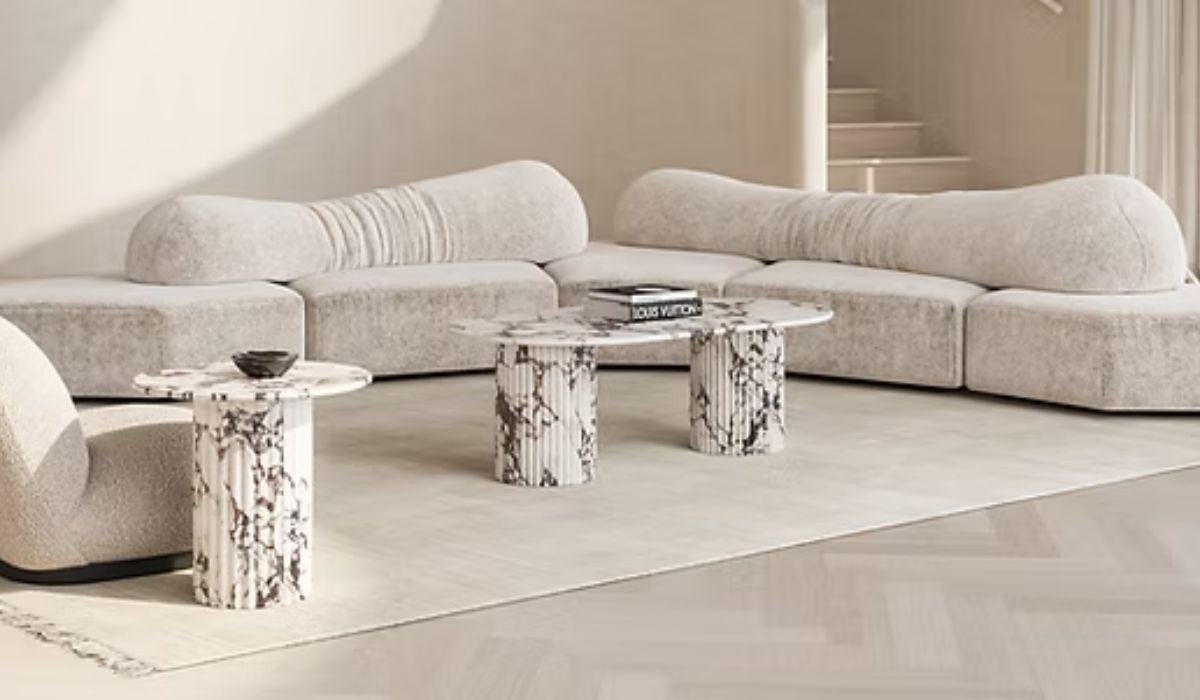
Launching a new product can be both exhilarating and time-consuming. From prototyping to product photography, each step demands rigorous planning and organization. However, these processes may result in delays, especially when time is of the essence.
Here, collaboration with a 3D product rendering agency alters the game. Instead of waiting for real samples or scheduling extensive photoshoots, marketers can now create high-quality images far earlier in the process. As a result, product releases are getting faster, smoother, and more efficient.
The Traditional Bottleneck in Product Launches
Traditionally, product launches relied primarily on physical production. First, a prototype has to be constructed. Then, it had to be transported to a studio for photographing. Following that, teams planned and executed photoshoots, which frequently required numerous modifications.
However, this method presents a number of obstacles. It takes longer, costs more, and offers little room for quick changes. For example, even a small design update may require a new prototype and another shoot. As a result, delays become almost unavoidable, especially for brands working with tight deadlines.
This is why many businesses are now looking for faster and more flexible alternatives.
How 3D Product Rendering Speeds Things Up
-
No Need to Wait for Physical Products
Working with a 3D product rendering studio is really great because you can make pictures of a product before it is even made. This is good for brands because they do not have to wait for a sample of the product. They can start making advertisements and things like that as soon as the design of the product is finished.
-
Faster Iterations and Changes
Furthermore, making modifications is considerably easier. Colors, materials, and small design details can all be adjusted rapidly in a digital environment. As a result, teams may experiment more and make decisions faster, without incurring additional production costs.
-
Instant Marketing Readiness
Another significant advantage is speed in marketing. High-quality renderings can be utilized on websites, commercials, and product catalogs. This enables marketers to plan their campaigns ahead of time and deploy them on schedule.
-
Consistency Across Platforms
Digital rendering is really good because it gives consistency. You can use the pictures on lots of different platforms, and they still look great. This helps your brand look strong and the same everywhere.
How to Choose the Right 3D Product Rendering Agency
Choosing the right 3D product rendering agency is important if you want both speed and quality. And instead of only looking at price, focus on how well the agency understands your needs.
Here are a few key things to check:
-
Portfolio Quality: Always review past work. Look for realism, lighting quality, and attention to detail, especially in products similar to yours.
-
Industry Experience: An agency with experience in your category will better understand materials, proportions, and presentation styles.
-
Flexibility and Revisions: Make sure the team allows easy iterations. A good workflow should support changes without slowing down the project.
-
Turnaround Time: Speed really matters. Check if the agency can deliver within your timelines without compromising quality.
-
Process and Communication: Effective communication is crucial. The organization should follow a set procedure and keep you informed at every turn.
-
Consistency Across Outputs: Make sure they can produce images that are consistent in quality across various platforms, such as websites and advertisements.
Conclusion
Many brands are using 3D rendering to simplify and accelerate the entire product launch process. By eliminating the need for physical prototypes and enabling faster iterations, teams can get from concept to market faster.
While the tools and technology are important, the expertise behind them also makes a difference. Collaborating with experienced studios such as LUMO Visual can help ensure that both speed and quality are maintained throughout the process. With a strong focus on photorealism, material accuracy, and detail, they bring ideas closer to real-world outcomes. In addition, their structured workflows and understanding of design needs make the entire process more efficient and reliable.
Categorie
Leggi tutto
Set against the backdrop of central Missouri, the new Netflix series delves into the complex realm of narcotics and financial crimes. According to The Hollywood Reporter, Jason Bateman stars as a family-oriented man who relocates from urban life to the scenic Lake of the Ozarks. His character becomes entangled in repaying a substantial debt to a formidable drug kingpin, leading to a tense and...

Islamabad has become one of Pakistan’s most attractive cities for property buyers. Wide roads, organized sectors, and modern facilities make it appealing for families and investors alike. Among the new housing developments gaining attention is Etihad Town Islamabad. Many people are talking about it because of its location, planning, and flexible payment options. If you’ve...

Upcoming MMO Highlights Traditionally, we at Massively OP have wrapped up each year by compiling a list of upcoming MMOs that we’re eager to see in the next twelve months. Crafting this list has always been a challenging task, filled with tentative dates and educated guesses about which titles will actually launch within the year. (Just check last year’s predictions to see how...
Heparin is a crucial anticoagulant medication used to prevent and treat blood clots in various medical conditions. Its effectiveness, however, is significantly influenced by the precision of its administration. The choice of a proper needle for heparin injection is paramount to ensure patient safety, comfort, and the correct delivery of the medication. Using a high-quality, appropriately sized...
За последние полтора года популярность игры Neverness to Everness, которую часто сравнивают с GTA в аниме-стиле, стремительно возросла. Если в середине 2024 года количество предварительных регистраций составляло около 3 миллионов, то сегодня этот показатель превысил 20 миллионов на всех доступных платформах. Разработкой проекта занимается Hotta Studio, известная по Tower of Fantasy, а игра...