


A Comprehensive Guide to Fire and Smoke Damage Restoration in the United States
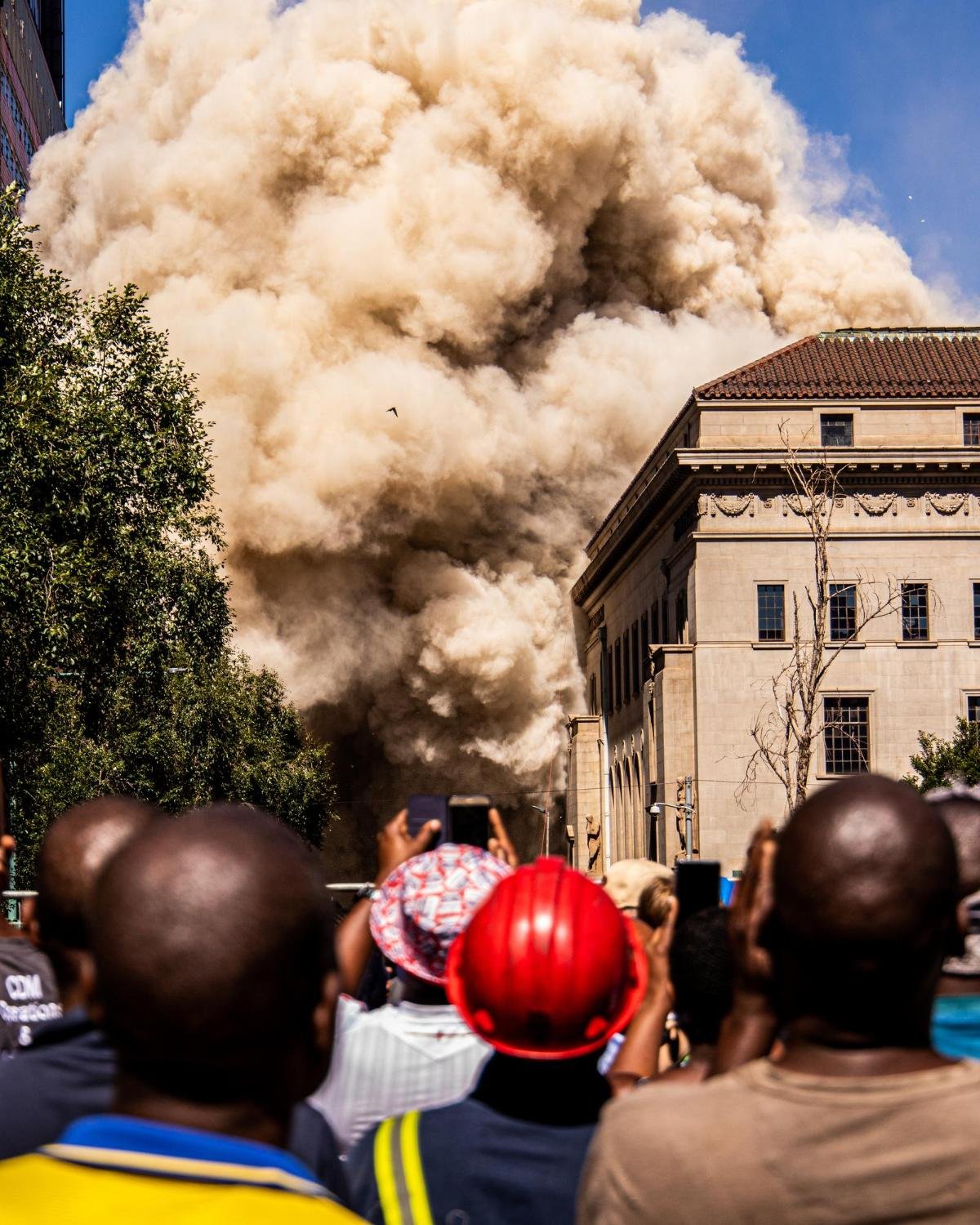
Fire incidents can cause widespread destruction in a matter of minutes, leaving behind not only visible damage but also long-lasting effects that are often overlooked. Among the most critical aspects of post-fire recovery is fire and smoke damage restoration, a process that addresses both the structural and environmental consequences of a fire. In the United States, where residential and commercial fires occur each year, understanding this restoration process is essential for ensuring safety, health, and property recovery.
Fire and smoke damage restoration refers to the systematic approach taken to clean, repair, and restore properties affected by fire and the resulting smoke. This process goes beyond simple cleanup, involving specialized techniques and equipment to address hidden damage, lingering odors, and potential health hazards. The restoration process typically begins once the fire has been extinguished and the property is deemed safe for entry by relevant authorities.
One of the primary challenges in fire and smoke damage restoration is the complexity of fire damage itself. Fires produce heat, flames, smoke, and soot, each of which affects materials differently. High temperatures can weaken structural components such as beams, walls, and ceilings. Meanwhile, smoke can travel through ventilation systems and settle on surfaces far from the fire’s origin, causing widespread contamination.
Soot, a byproduct of incomplete combustion, is particularly problematic. It consists of fine particles that can penetrate porous materials like upholstery, carpets, and drywall. If not properly removed, soot can lead to permanent staining and corrosion of surfaces. Fire and smoke damage restoration professionals use specialized cleaning methods, including dry cleaning sponges, chemical treatments, and abrasive techniques, to effectively remove soot without causing further damage.
Smoke odor is another persistent issue that requires careful attention. The smell of smoke can linger long after visible damage has been addressed, as odor particles embed themselves in walls, fabrics, and air ducts. Fire and smoke damage restoration involves advanced deodorization techniques such as thermal fogging, ozone treatment, and hydroxyl generators. These methods neutralize odor molecules rather than simply masking them, ensuring a more thorough and lasting solution.
Water damage is often an unavoidable consequence of firefighting efforts. Large volumes of water used to extinguish flames can saturate building materials, leading to additional complications such as mold growth and structural weakening. As a result, fire and smoke damage restoration frequently includes water extraction, drying, and dehumidification. This integrated approach helps prevent secondary damage and supports the overall recovery process.
The restoration process typically follows several key stages. The first stage is inspection and assessment, during which professionals evaluate the extent of fire, smoke, and water damage. This assessment helps determine the scope of work and identify any safety hazards. Detailed documentation is often created at this stage to support insurance claims and ensure transparency throughout the process.
The next stage involves securing the property. This may include boarding up windows, covering damaged roofs, and stabilizing weakened structures. Securing the site is crucial for preventing further damage from weather exposure, vandalism, or unauthorized entry.
Once the property is secure, debris removal and cleaning begin. Burned materials, damaged furniture, and unsalvageable items are carefully removed from the site. Salvageable items may undergo specialized cleaning and restoration processes, depending on their condition. Fire and smoke damage restoration professionals often use ultrasonic cleaning and other advanced techniques to restore delicate items such as electronics and documents.
Structural cleaning is another critical component of the process. Walls, ceilings, and floors are cleaned to remove soot, smoke residue, and contaminants. In some cases, materials that cannot be fully restored may need to be replaced. This ensures that the property is not only clean but also safe for occupancy.
Air quality management is a key consideration in fire and smoke damage restoration. Smoke particles and airborne contaminants can pose health risks, particularly for individuals with respiratory conditions. High-efficiency particulate air (HEPA) filtration systems and air scrubbers are commonly used to remove pollutants from the air. Proper ventilation further supports the restoration of a healthy indoor environment.
Reconstruction is often the final stage of fire and smoke damage restoration. Depending on the severity of the damage, this may involve minor repairs or extensive rebuilding. The goal is to return the property to its pre-fire condition or better, ensuring that it meets safety and building standards.
Health and safety play a central role throughout the restoration process. Exposure to smoke, soot, and chemical residues can have adverse effects on human health. Fire and smoke damage restoration professionals use personal protective equipment (PPE) and follow strict safety protocols to minimize risks. They are trained to handle hazardous materials and ensure that all restoration activities comply with regulatory guidelines.
In the United States, fire and smoke damage restoration is influenced by various regulations and industry standards. These guidelines help ensure that restoration work is performed safely and effectively. Compliance with these standards is essential for protecting both property occupants and restoration workers.
Another important aspect of fire and smoke damage restoration is the role of insurance. Fire damage is often covered by property insurance policies, but the claims process can be complex. Accurate documentation, including photographs, inventory lists, and damage assessments, is critical for supporting claims. Restoration professionals may assist in this process by providing detailed reports and working with insurance adjusters.
Environmental considerations are becoming increasingly relevant in fire and smoke damage restoration. The use of eco-friendly cleaning products and sustainable practices helps reduce the environmental impact of restoration activities. Additionally, proper disposal of hazardous materials ensures that contaminants do not pose risks to the surrounding environment.
The psychological impact of fire damage should also be acknowledged. Experiencing a fire can be a traumatic event, and the aftermath can be overwhelming for property owners. While the primary focus of fire and smoke damage restoration is on physical recovery, the process can also provide a sense of stability and progress during a challenging time.
Preventive measures can help reduce the risk of fire damage and improve outcomes in the event of a fire. These measures include installing smoke detectors, maintaining electrical systems, and following fire safety practices. While prevention cannot eliminate all risks, it can significantly reduce the likelihood and severity of fire-related damage.
Technological advancements continue to shape the field of fire and smoke damage restoration. Innovations in cleaning techniques, detection equipment, and restoration materials are improving efficiency and effectiveness. These advancements enable restoration professionals to address complex damage scenarios with greater precision.
In conclusion, fire and smoke damage restoration is a multifaceted process that addresses the wide-ranging effects of fire incidents. From soot removal and odor elimination to structural repairs and air quality management, each aspect of the process plays a vital role in restoring safety and functionality. In the United States, where fire incidents remain a significant concern, understanding the importance of fire and smoke damage restoration helps highlight its role in recovery and resilience. By combining expertise, technology, and a structured approach, the restoration process ensures that affected properties can be rebuilt and reoccupied with confidence.
Categorias
Leia Mais
When it comes to creating a stylish and organized bedroom, storage plays a crucial role. Cluttered spaces can feel overwhelming, reduce functionality, and even impact your daily routine. This is where built in wardrobes offer a game-changing solution. Designed to fit seamlessly into your room’s layout, they provide maximum storage without compromising on style. Unlike freestanding...

Facing issues logging into your BellSouth AT&T email? Call +1–830–272–7656 or +1–800–288–2020 for quick support and follow these troubleshooting steps to fix login problems effectively. AT&T email is one of the most widely used email services in the United States, offering reliable communication for personal and professional purposes. However, many...

Judiciary aspirants today have more preparation choices than ever. The biggest decision is whether to study through digital platforms or classroom programs. Both formats can work but only if matched correctly with your learning style and discipline level. Many students begin their journey by comparing RJS coaching formats to see which method gives better results. Modern RJS coaching classes are...

Completing a dissertation is one of the most demanding academic tasks for postgraduate students in the UK. For MBA students, the pressure is even greater because their research must combine academic theory with real world business practice. Marketing students, in particular, face challenges related to data analysis, strategy development, and industry relevance. This is why many students...

In a world where fashion constantly evolves, few brands have managed to capture both emotional resonance and modern aesthetics quite like Madhappy. Among its most beloved pieces, the Madhappy sweatshirt stands out as a symbol of comfort, optimism, and effortless style. More than just a wardrobe staple, it represents a cultural movement centered around mental wellness, positivity, and authentic...
