


Does Dry Cat Food Cause Dehydration? Truth vs Myth
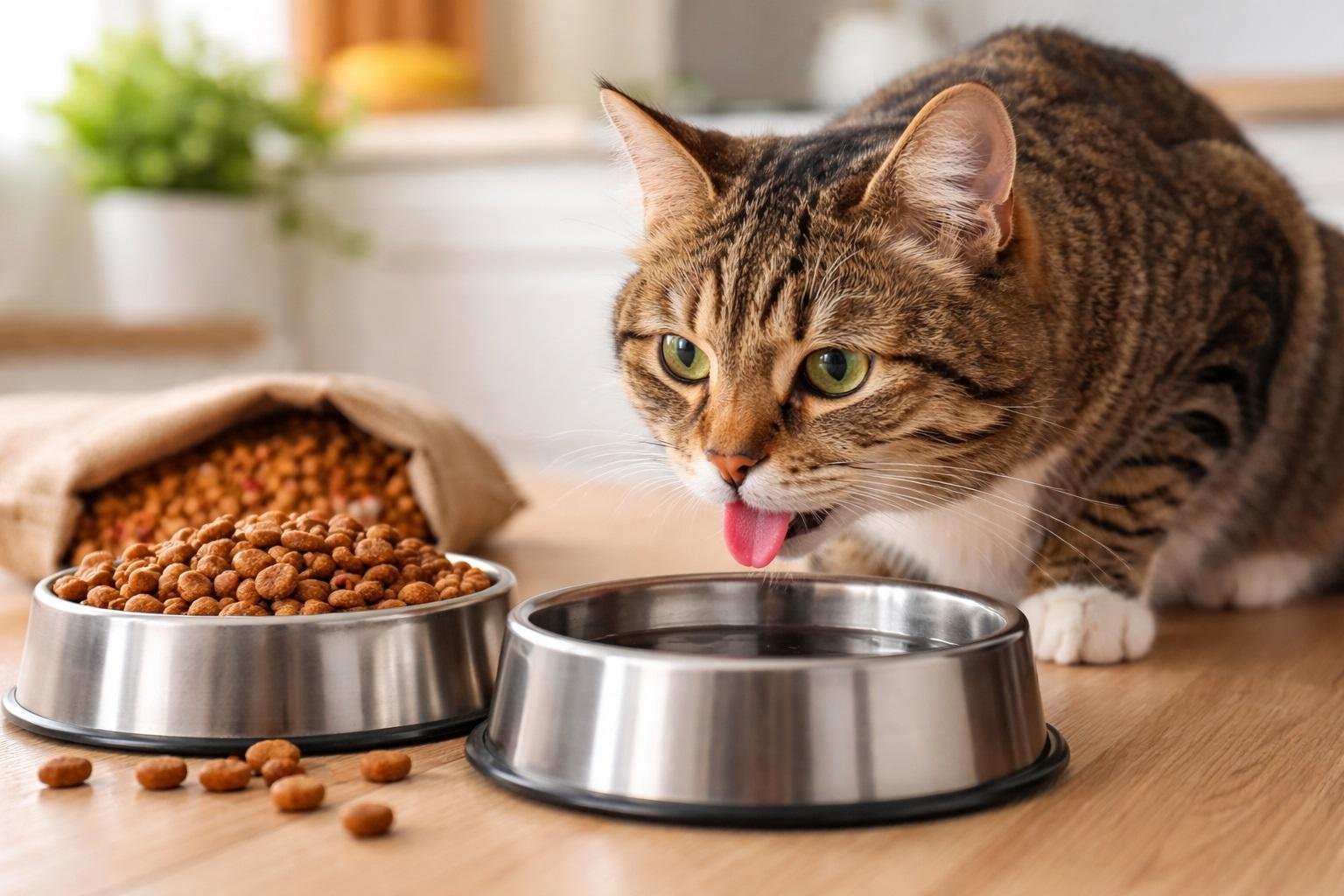
When it comes to feline nutrition, few debates spark as much confusion among pet parents as this one: Does dry cat food cause dehydration? With so much conflicting advice online, it’s easy to feel unsure about what’s truly best for your cat.
In this detailed guide, we’ll break down the science, separate myths from facts, and help you make informed feeding choices—especially if you’re looking for the best affordable dry cat food or the best dry cat food for indoor cats.
Understanding a Cat’s Natural Hydration Needs
Cats are naturally low-thirst animals. Their ancestors, desert-dwelling wildcats, evolved to get most of their moisture from prey. That means:
-
Cats don’t instinctively drink a lot of water
-
They rely heavily on food for hydration
-
Their thirst drive is weaker compared to dogs
Because of this, what you feed your cat plays a major role in their overall hydration levels.
What Is Dry Cat Food Made Of?
Dry cat food, also known as kibble; is a convenient and cost-effective feeding option. It typically contains:
-
6–10% moisture
-
Protein sources (chicken, fish, etc.)
-
Carbohydrates (grains or grain-free alternatives)
-
Added vitamins and minerals
In contrast, wet food contains around 70–80% moisture, which is closer to what cats would consume in the wild.
Myth vs Truth: Does Dry Cat Food Cause Dehydration?
Myth: Dry Cat Food Directly Causes Dehydration
This is a common misconception. Feeding dry cat food alone does not automatically cause dehydration.
Truth: It Depends on Water Intake
Cats eating kibble need to drink more water to compensate for the lack of moisture. The issue arises when:
-
Cats don’t drink enough water
-
Water sources are limited or unappealing
-
Owners assume food alone provides sufficient hydration
If your cat drinks enough water throughout the day, they can stay properly hydrated—even on a dry diet.
Signs Your Cat May Be Dehydrated
Regardless of diet, it’s important to watch for dehydration symptoms:
-
Lethargy or low energy
-
Dry gums or sticky saliva
-
Loss of appetite
-
Sunken eyes
-
Reduced skin elasticity
If you notice these signs, consult a veterinarian immediately.
Benefits of Feeding Dry Cat Food
Despite the hydration concerns, kibble offers several advantages:
1. Convenience and Storage
It’s easy to store, measure, and serve—perfect for busy pet owners.
2. Cost-Effective
Many consider it the best affordable dry cat food option for maintaining a balanced diet without breaking the bank.
3. Dental Health Support
Crunchy texture can help reduce plaque buildup (though it’s not a replacement for dental care).
4. Longer Shelf Life
Unlike wet food, it doesn’t spoil quickly once opened.
Potential Downsides to Consider
While convenient, dry diets come with some concerns:
-
Lower moisture content
-
Risk of under-hydration if water intake is low
-
May contain higher carbohydrate levels
This is why balance and monitoring are key.
How to Prevent Dehydration on a Dry Diet
If you prefer feeding dry cat food, here are practical ways to ensure your cat stays hydrated:
1. Provide Fresh Water at All Times
-
Use multiple water bowls around the house
-
Change water daily
-
Keep bowls clean
2. Use a Cat Water Fountain
Many cats prefer running water. A fountain can encourage more drinking.
3. Add Water to Kibble
Lightly soaking kibble can increase moisture intake without changing diet drastically.
4. Mix in Wet Food Occasionally
A hybrid diet combines the benefits of both dry and wet food.
5. Monitor Water Intake
Pay attention to how often your cat drinks—especially in warmer months.
Is Dry Food Suitable for Indoor Cats?
Indoor cats often have lower activity levels, which can affect metabolism and hydration needs.
Choosing the best dry cat food for indoor cats means looking for:
-
Balanced protein levels
-
Controlled calorie content
-
Added fiber for digestion
-
High-quality ingredients
Indoor cats may also be more prone to urinary issues, so hydration becomes even more important.
Comparing Dry vs Wet Cat Food
|
Feature |
Dry Food |
Wet Food |
|
Moisture Content |
Low (6–10%) |
High (70–80%) |
|
Cost |
More affordable |
More expensive |
|
Convenience |
Very high |
Moderate |
|
Shelf Life |
Long |
Short after opening |
|
Hydration Support |
Low |
High |
A balanced approach—combining both—often works best for many households.
What Veterinarians Say
Most veterinarians agree on one key point: hydration matters more than the type of food.
A cat can thrive on a dry diet if:
-
They drink enough water
-
The food is nutritionally complete
-
Regular vet checkups are maintained
However, for cats with kidney disease or urinary tract issues, wet or mixed diets are often recommended.
Tips for Choosing Quality Dry Cat Food
Not all kibble is created equal. When selecting the best affordable dry cat food, consider:
-
Real meat as the first ingredient
-
Minimal fillers or artificial additives
-
AAFCO certification for balanced nutrition
-
Brand transparency and ingredient sourcing
Avoid overly cheap options that compromise on nutritional value.
Common Mistakes Cat Owners Make
-
Assuming all cats drink enough water naturally
-
Feeding only dry food without monitoring hydration
-
Ignoring early signs of dehydration
-
Not providing fresh, clean water
Small adjustments can make a big difference in your cat’s health.
Final Verdict: Truth vs Myth
So, does dry cat food cause dehydration?
👉 Myth—when managed properly
👉 Truth—if water intake is insufficient
The real issue isn’t the food itself—it’s whether your cat is getting enough fluids overall.
By being mindful of hydration, choosing high-quality food, and observing your cat’s behavior, you can safely include dry food in their diet.
FAQs
1. Can cats survive on dry cat food only?
Yes, cats can live on dry cat food as long as they drink enough water and the food is nutritionally complete.
2. How much water should a cat drink daily?
On average, cats need about 3.5–4.5 ounces of water per 5 pounds of body weight daily.
3. Is wet food better than dry food for hydration?
Yes, wet food provides more moisture, but dry food can still be safe with proper water intake.
4. What is the best dry cat food for indoor cats?
The best dry cat food for indoor cats includes high protein, controlled calories, and digestive support.
5. How can I tell if my cat isn’t drinking enough water?
Look for signs like dry gums, low energy, or reduced appetite. Monitoring behavior and litter box habits can also help.
Read more: How to Choose the Right Dry Cat Food Without Overspending: A Smart Guide for Cat Parents in the USA
Categorii
Citeste mai mult
Carnival of Flamigo Event The much-anticipated Carnival of Flamigo kicks off on Tuesday, February 3rd, 2026 at 10:00 am local time, inviting players to immerse themselves in a vibrant celebration of Pokémon. This lively event wraps up on Sunday, February 8th, 2026 at 8:00 pm local time, marking a full week filled with exciting activities and special encounters. Participants can look...

Transform Urban LightinTransform Urban Lighting with Next‑Gen Smart LED Street Light Solutionsg with Next‑Gen Smart LED Stree Across cities and communities worldwide, lighting infrastructure plays a critical role in safety, sustainability, and quality of life. Traditional street lights, while functional, are often inefficient, costly to maintain, and limited in performance. Today’s...

ANAHEIM There was a period every time Jo Adell was deemed a foreseeable future exchange prospect toward develop a difference of landscapes once his first scuffles inside of his 1st couple decades inside the Majors with the Adell contains educated a breakout 2025 time and saved it rolling via shifting 2-for-3 with a triple, a stroll and an RBI towards raise the Angels toward an 8-5 get...

Dubai has long been recognized as a global hub for luxury shopping, attracting visitors from all corners of the world. Among the many coveted items sought by tourists and residents alike, first copy watches in Dubai have carved a unique niche. These timepieces offer the aesthetics and style of high end brands at a fraction of the original price, making them highly desirable for those who want...

This section highlights the locations of level 4 desert artifacts. For detailed information on desert artifact spots, explore the dedicated pages. Due to the extensive number of locations, the content is divided into several parts: Level 1 Level 2 Level 3 Level 4 (current section) Level 5 Level 6 Level 7 What are...