


After completing aligner treatment, most patients are advised to wear a retainer. Retainers help maintain teeth in their new positions and prevent them from shifting back, ensuring long-term results. Consistent use of a retainer preserves the investment in
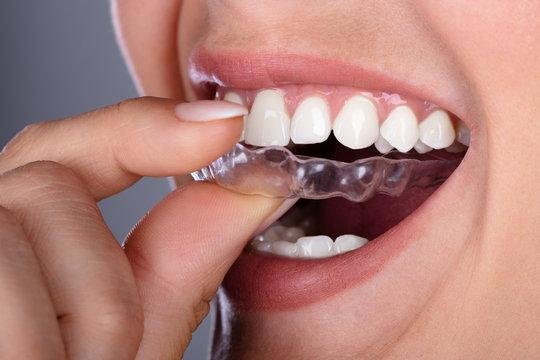
A straight and healthy smile is one of the most valuable features a person can have. Not only does it enhance appearance and confidence, but it also plays a crucial role in maintaining oral health. Misaligned or crowded teeth can cause difficulty in cleaning, uneven wear, and even jaw discomfort over time. While traditional metal braces have long been used to correct these issues, many individuals—especially adults—hesitate due to their visibility and discomfort. Fortunately, modern dentistry provides a solution that is invisible, comfortable, and effective: teeth aligners.
What Are Teeth Aligners?
Teeth aligners are clear, custom-made trays that fit snugly over the teeth and gradually guide them into proper alignment. Made from smooth, medical-grade plastic, aligners are designed to be comfortable, durable, and virtually invisible. Unlike traditional braces that rely on wires and brackets, aligners are removable and work in a series of sequential trays, each slightly adjusting tooth position to achieve optimal alignment.
Each aligner is typically worn for one to two weeks before switching to the next in the series. This gradual approach ensures precise movement while keeping discomfort to a minimum, making it an ideal solution for patients of all ages.
Why Teeth Aligners Are the Ideal Choice
The combination of invisibility, comfort, and effectiveness makes teeth aligners a modern favorite in orthodontics:
1. Invisible Appearance
Clear aligners are barely noticeable when worn, allowing patients to straighten their teeth discreetly. This is especially important for adults and professionals who want orthodontic treatment without the visibility of metal braces.
2. Comfortable Fit
Unlike metal braces, aligners are made from smooth plastic that fits snugly over the teeth. There are no brackets or wires to irritate the gums, cheeks, or lips, reducing discomfort throughout treatment.
3. Removable and Convenient
Aligners can be removed during meals, drinking (except water), brushing, and flossing. This flexibility allows patients to maintain oral hygiene and enjoy their normal routines without restrictions.
4. Customized Treatment
Using advanced digital scanning and software, each aligner is tailored to the individual’s dental structure. This ensures precise tooth movement and predictable results throughout the treatment.
5. Effective Results
For mild to moderate orthodontic issues, aligners are highly effective in aligning teeth, closing gaps, correcting crowding, and improving bite function—all while being discreet and comfortable.
Dental Issues Addressed by Aligners
Teeth aligners can treat a variety of orthodontic concerns, including:
-
Crooked or misaligned teeth
-
Crowding of teeth
-
Gaps between teeth
-
Overlapping teeth
-
Minor bite misalignments
While aligners are suitable for most mild to moderate cases, complex or severe dental issues may require additional orthodontic methods. A consultation with a dental professional ensures the best treatment plan.
The Aligner Treatment Process
The journey to a straighter smile begins with a dental consultation. The dentist evaluates teeth, gums, and bite to determine suitability for aligners.
Next, digital impressions or scans are taken to create a precise 3D model of the teeth. Using this model, a series of custom aligners is designed to gradually move teeth into proper alignment. Patients often receive a digital preview of the expected results, offering reassurance and motivation.
Aligners are generally worn for 20–22 hours per day, being removed only for eating, drinking, brushing, and flossing. Each aligner is replaced every one to two weeks, and progress is monitored through regular dental check-ups to ensure the treatment stays on track.
Caring for Teeth Aligners
Proper care ensures that aligners remain clear, comfortable, and hygienic:
-
Rinse daily with lukewarm water
-
Brush gently using a soft toothbrush
-
Avoid hot water, which can warp the plastic
-
Store in a protective case when not in use
Maintaining aligners properly ensures their effectiveness and preserves their invisible appearance throughout treatment.
Maintaining Your New Smile
After completing aligner treatment, most patients are advised to wear a retainer. Retainers help maintain teeth in their new positions and prevent them from shifting back, ensuring long-term results. Consistent use of a retainer preserves the investment in orthodontic treatment and protects your smile for years to come.
Conclusion
Teeth aligners are a modern solution for individuals seeking an orthodontic treatment that is invisible, comfortable, and effective. Their clear, removable design allows patients to straighten their teeth discreetly while maintaining their normal lifestyle. Customized for precision, these aligners provide gentle yet consistent tooth movement, resulting in a beautifully aligned smile with minimal discomfort.
For anyone looking to improve their smile without the drawbacks of traditional braces, teeth aligners offer a convenient, modern, and reliable path to achieving a healthier, straighter, and more confident smile.
Catégories
Lire la suite
The upcoming season of the series welcomes new faces to its ensemble. Portraying Max, a character who defies the gender norms of her time with her resilient and self-assured demeanor, is Sadie Sink. She carries a mysterious past and maintains a guarded stance towards others. Her step-brother Billy will be brought to life by Dacre Montgomery. Outwardly charismatic with a taste for fast cars and...

One of the most common questions patients ask before undergoing cosmetic surgery is whether the results will last. If you are considering Liposuction in Islamabad, understanding its long-term effectiveness is essential. While liposuction permanently removes fat cells from targeted areas, maintaining results depends on several important factors. This article explains how liposuction works,...

Official Website-https://ambaniboook-id.com/ Contact no - 9289978272 Introduction to Ambani Book 247 Cricket is more than just a game in India; it's a passion that unites millions. As the enthusiasm for this sport continues to grow, so does the demand for instant updates and reliable information. Enter Ambani Book 247—a game-changer in how fans experience cricket. With its...
Nick Frost recently shared an unusual story about how he attracted his role in HBO’s upcoming “Harry Potter” series. He revealed that his method involved watching all eight movies in the franchise multiple times and meticulously writing down the word “Hagrid” thousands of times. Frost explained that he watched the films with his family every Christmas, starting on...
Cindy Holland, Netflix's Vice President of Original Content, shared a heartfelt message regarding the conclusion of the Sense8 series. She highlighted that after a journey spanning 23 episodes across 16 cities and 13 countries, the story of the Sense8 community has reached its natural conclusion. Holland described the series as a bold, emotional, visually stunning, and unforgettable...