Saudi Arabia Milk Powder Market to Reach US$ 699.17 Million by 2033 as Infant Formula and Retail Expansion Drive Growth
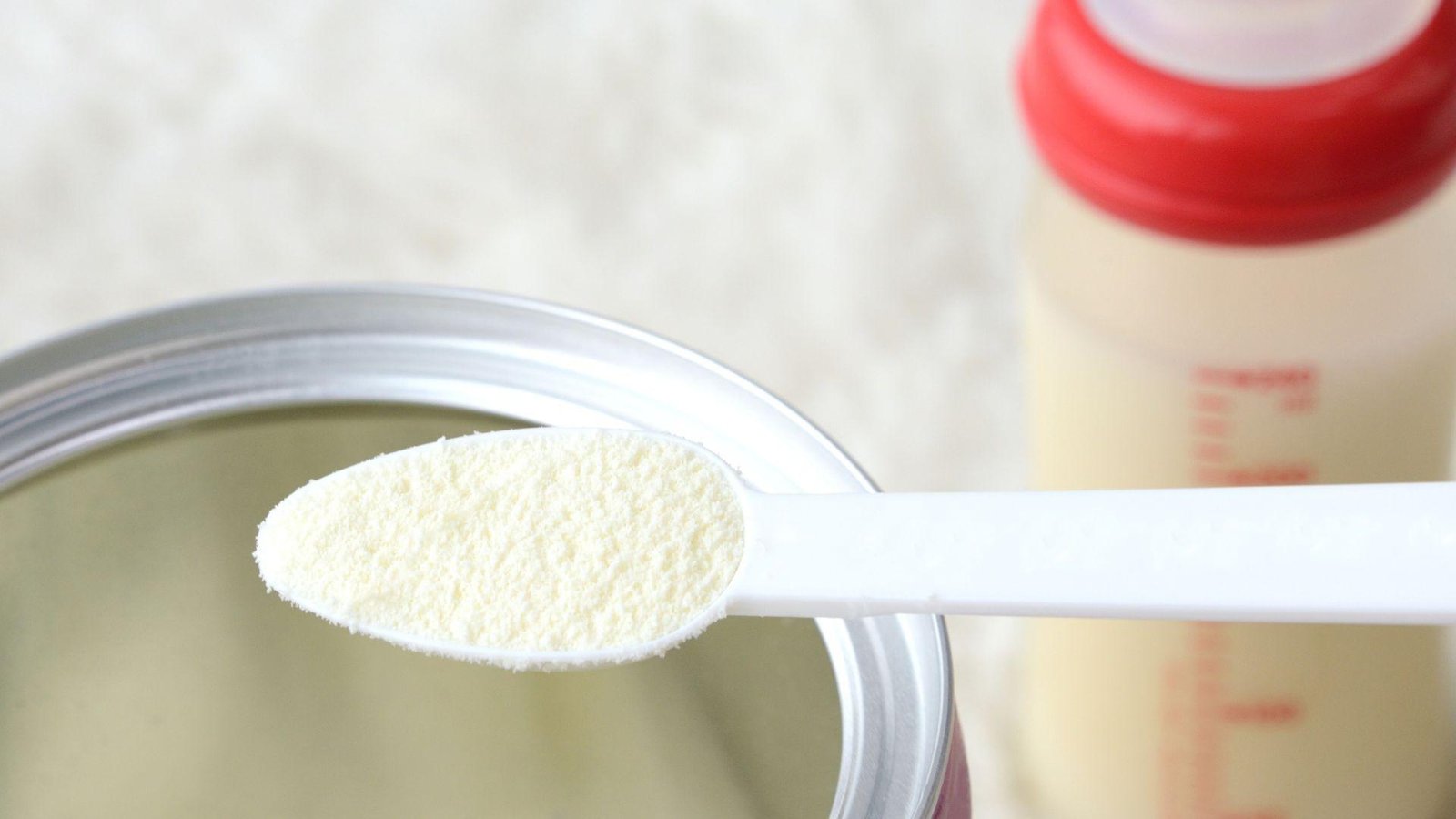
Saudi Arabia’s milk powder industry is witnessing steady expansion, supported by demographic growth, rising health awareness, and strong government backing for food security. According to Renub Research, the Saudi Arabia Milk Powder Market is projected to grow from US$ 401.4 Million in 2024 to US$ 699.17 Million by 2033, registering a compound annual growth rate (CAGR) of 6.36% during 2025–2033.
The market’s growth is being shaped by increasing demand for infant formula, expanding supermarket and e-commerce channels, supportive dairy policies under Vision 2030, and evolving consumer preferences toward convenient, long-shelf-life dairy products.
Milk powder remains a staple product in Saudi households, balancing tradition with modern consumption trends.
Download Free Sample Report:https://www.renub.com/request-sample-page.php?gturl=saudi-arabia-milk-powder-market-p.php
Industry Overview: A Staple Backed by Strategy and Demand
Milk powder plays a vital role in Saudi Arabia’s food ecosystem. Its extended shelf life, ease of storage, and versatility make it highly popular across homes, bakeries, foodservice outlets, and institutional buyers.
The Kingdom’s rising population—combined with a significant expatriate community—has created consistent demand for dairy-based nutritional products, particularly infant formula and fortified milk powders.
Government efforts to strengthen food security under national development programs have also supported both domestic production and strategic imports of high-quality milk powder. Investments in dairy farms, cold chain logistics, and retail infrastructure continue to enhance supply reliability.
Despite competition from plant-based alternatives, traditional milk powder retains strong cultural acceptance and daily utility in Saudi cuisine.
Trade and Export Dynamics
Saudi Arabia maintains an active position in the global milk powder trade.
In 2022:
-
The country exported approximately US$ 32.6 million worth of dried milk.
-
Key export destinations included Kuwait, Oman, the United Arab Emirates, Bahrain, and Mauritania.
-
Milk powder exports to Kuwait, Oman, and Mauritania recorded the fastest growth rates year-on-year.
On the import side:
-
Saudi Arabia imported milk powder valued at approximately US$ 156 million, ranking among major global importers.
-
Key suppliers included the United States, Belgium, Poland, Germany, and New Zealand.
This balanced trade flow reflects the Kingdom’s dual strategy of strengthening domestic production while ensuring supply diversification through imports.
Key Growth Drivers of the Saudi Arabia Milk Powder Market
1. Expansion of Retail Networks
One of the strongest catalysts for market growth is the rapid expansion of modern retail infrastructure.
Supermarkets and hypermarkets are increasing shelf space for milk powder products, offering consumers:
Meanwhile, e-commerce platforms have expanded accessibility, particularly in urban centers. Online ordering and home delivery services are reshaping purchasing patterns, especially among tech-savvy consumers.
Improved distribution channels ensure availability across urban and rural areas, enhancing overall market penetration.
2. Strong Demand for Infant Formula
Infant formula represents one of the most dynamic segments within the Saudi milk powder market.
Drivers include:
-
Population growth
-
A sizable expatriate community
-
Increased workforce participation among women
-
Rising awareness of infant nutrition
Infant formula provides essential nutrients required for early childhood development, making it a critical category for families. Strict regulatory standards and quality certifications have strengthened consumer confidence in branded infant milk powders.
As urbanization increases and lifestyles become busier, demand for convenient and nutritionally reliable infant feeding solutions is expected to remain strong.
3. Government Food Security Initiatives
Saudi Arabia’s Vision 2030 places significant emphasis on economic diversification and food security. Dairy production and supply chain resilience are strategic priorities.
Government initiatives include:
-
Investment in domestic dairy farms
-
Technological upgrades in milk processing
-
Encouragement of private-sector participation
-
Support for imports to stabilize supply
These measures ensure price stability and continuous availability of dairy essentials, including milk powder. By strengthening both local output and international sourcing, Saudi Arabia has built a robust dairy supply framework.
4. Rising Health Awareness
Increasing health consciousness among consumers is shaping purchasing decisions.
Many consumers now seek:
-
Fortified milk powders
-
Vitamin-enriched formulations
-
Low-fat and skimmed options
-
Lactose-free alternatives
Milk powder manufacturers are responding with product innovation and nutritional enhancements to cater to evolving preferences.
Market Challenges
Intense Brand Competition
The Saudi milk powder market is highly competitive, featuring strong domestic brands and established international players.
Local companies benefit from:
International brands leverage:
This competitive landscape drives continuous innovation, promotional activity, and product differentiation, including organic and fortified offerings.
Health and Dietary Shifts Toward Plant-Based Alternatives
Growing interest in plant-based diets presents a long-term challenge.
Consumers concerned about:
are increasingly exploring alternatives such as almond, soy, oat, and coconut milk products.
Although plant-based substitutes are gaining attention, traditional milk powder continues to hold strong market relevance due to affordability, familiarity, and nutritional value.
Product Insights: Whole vs. Skimmed Milk Powder
Whole Milk Powder (WMP)
Whole milk powder currently dominates the market due to its:
It is widely used in homes, bakeries, confectioneries, and food manufacturing. Its longer shelf life makes it ideal for bulk storage and supply management.
Skimmed Milk Powder (SMP)
Skimmed milk powder is gaining traction among health-conscious consumers seeking lower-fat dairy options.
Applications include:
-
Nutritional foods
-
Infant formula
-
Bakery mixes
-
Dry beverage blends
As awareness of healthy eating grows, SMP is expected to increase its market share over the forecast period.
Regulatory Landscape and Market Impact
Saudi Arabia enforces strict dairy import regulations to ensure food safety and quality standards. Imported milk powder must comply with:
-
Saudi Food and Drug Authority (SFDA) regulations
-
Halal certification requirements
-
Bilingual Arabic and English labeling
-
Cold chain logistics standards
Import tariffs vary based on domestic production levels, sometimes reaching up to 40% for certain products.
These policies:
-
Protect domestic dairy producers
-
Maintain high product standards
-
Encourage fair competition
-
Promote supply chain transparency
While compliance may increase operational costs for international suppliers, it strengthens overall market integrity and consumer trust.
Application Segment Insights
Infant Formulas
Infant formula is expected to remain a dominant application due to its critical nutritional role and demographic trends.
Nutritional Foods
Fortified and functional dairy products are growing in demand among adults seeking health-enhancing options.
Confectionaries and Baked Sweets
Milk powder remains essential in confectionery production, desserts, and bakery applications due to its texture and flavor-enhancing properties.
Savories
Foodservice operators and manufacturers use milk powder in processed foods and ready-to-eat meals, supporting broader industrial demand.
Competitive Landscape
Leading companies in the Saudi Arabia milk powder market include:
-
Almarai Company
-
Rabouh Al Hofuf Est.
-
M.M. Siddique Abdullah Trading Est.
-
Gulf Dimensions Trading Est.
-
AL-Juffaily for Trading
-
Shatha Abeer Ltd.
-
Riyadh Dairy Products Factory
Prominent brands in the market also include:
-
Nestlé (Nido)
-
Fonterra (Anchor)
-
Al Safi Danone
These companies compete through product innovation, pricing strategies, fortified formulations, and retail expansion.
Market Segmentation
By Type
-
Whole Milk Powder
-
Skimmed Milk Powder
-
Dairy Whitener Powder
-
Buttermilk Powder
-
Fat-Filled Milk Powder
-
Other Milk Powder
By Application
-
Nutritional Food
-
Infant Formulas
-
Confectionaries
-
Baked Sweets
-
Savories
-
Others
Report Coverage
Base Year: 2024
Historical Period: 2020–2024
Forecast Period: 2025–2033
Market Size Unit: US$ Million
The report includes:
Delivery is available in PDF and Excel formats, with editable versions upon request.
Future Outlook
Looking ahead, the Saudi Arabia Milk Powder Market is expected to benefit from:
-
Continued population growth
-
Strong infant nutrition demand
-
Expansion of organized retail
-
Technological improvements in dairy processing
-
Sustained government support for food security
Product innovation—particularly in fortified, lactose-free, and functional milk powders—will be essential for maintaining competitive advantage.
Final Thoughts
The Saudi Arabia Milk Powder Market is on a solid growth trajectory, projected to expand from US$ 401.4 Million in 2024 to US$ 699.17 Million by 2033 at a CAGR of 6.36%. Rising infant formula consumption, modern retail penetration, and proactive government policies are shaping a resilient and opportunity-rich market.
While plant-based alternatives and intense brand competition pose challenges, milk powder remains deeply embedded in Saudi dietary habits and food manufacturing processes.
As consumer preferences evolve and regulatory frameworks maintain high standards, companies that prioritize quality, innovation, and distribution excellence will lead the next phase of growth in the Kingdom’s milk powder industry.