


Top Benefits of a Wooden Climbing Structure for Indoor Play and Growth
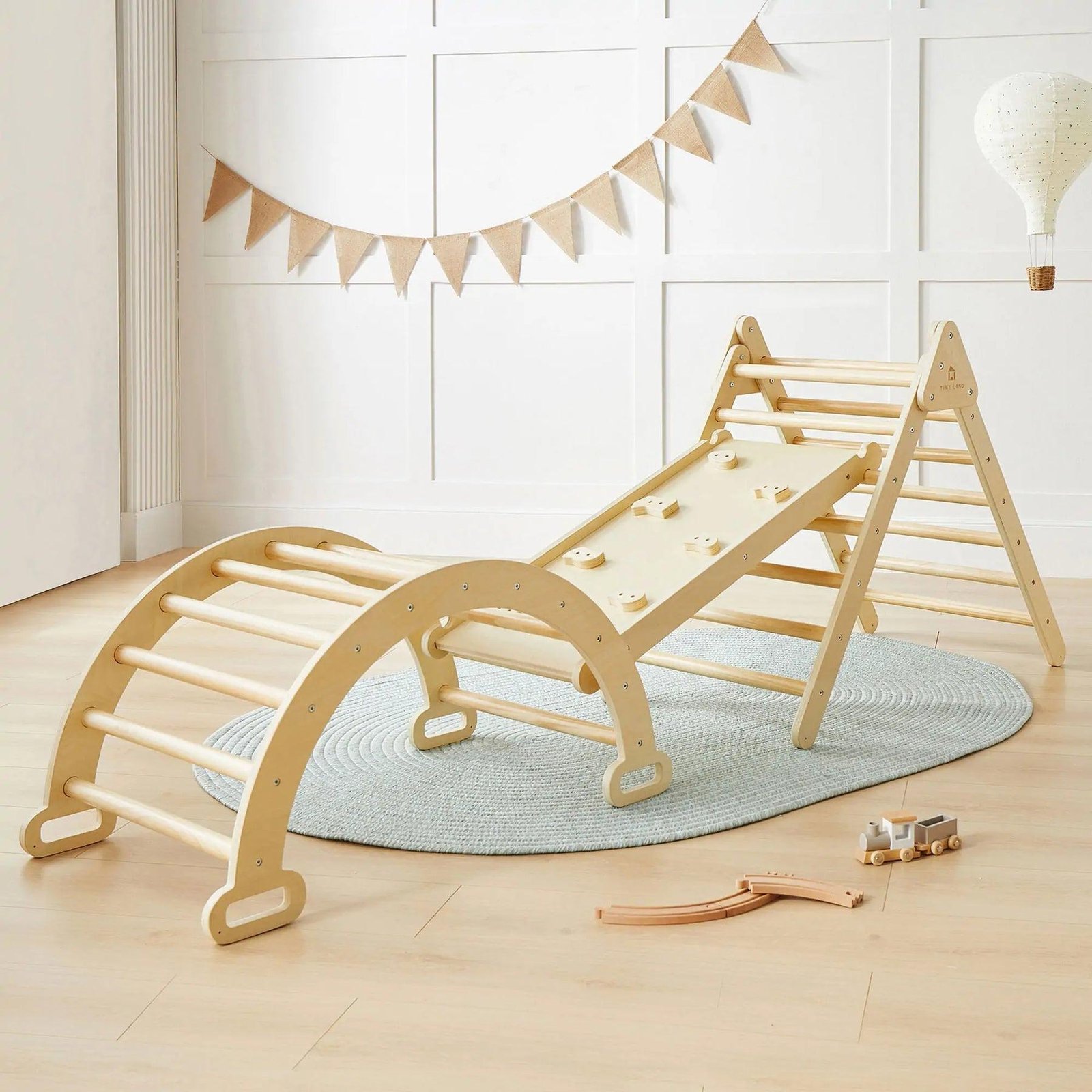
Indoor play has taken on new importance for families seeking safe, consistent ways to support toddler development. Limited outdoor time, changing weather conditions, and busy schedules often reduce opportunities for physical exploration. A thoughtfully designed Wooden Climbing Structure provides a dependable solution, turning everyday indoor space into an environment that encourages strength, coordination, and confidence. More than a simple play feature, it becomes an essential developmental tool that supports both physical growth and cognitive engagement.
Parents and early childhood specialists consistently emphasize that toddlers learn best through movement. Climbing, balancing, and controlled risk-taking are not optional activities—they are critical components of healthy growth. A wooden climbing structure supports these needs in a structured and secure way, offering children the freedom to explore while maintaining safety and stability.
Encourages Full-Body Physical Development
Climbing naturally activates multiple muscle groups. When toddlers pull themselves upward, they engage their arms, shoulders, legs, and core simultaneously. This full-body effort strengthens muscles in a balanced way, supporting overall physical coordination rather than isolating a single area of development.
Unlike passive toys that entertain without physical engagement, a climbing structure invites action. Every step upward requires strength and control. Over time, repeated climbing builds endurance, improves flexibility, and enhances overall motor skills. These early gains influence future physical activities such as running, jumping, and organized sports.
Core Stability and Posture
Core strength is foundational for proper posture and balance. As toddlers climb and stabilize themselves, their abdominal and back muscles remain active. This engagement promotes upright posture and better spinal alignment. Strong core muscles also reduce fatigue during other daily activities, supporting longer periods of active play.
Improves Balance and Coordination
Balance is not instinctive; it develops through practice. Climbing challenges toddlers to shift their weight carefully while maintaining stability. They must decide where to place their hands and feet, constantly adjusting their position. These small adjustments train the body to respond to movement changes effectively.
Coordination also improves through repetition. When children climb regularly, their movements become smoother and more controlled. They learn to synchronize upper and lower body actions, which strengthens neural connections related to motor planning. This improved coordination benefits everyday movements, from walking confidently to navigating stairs safely.
Builds Confidence Through Achievement
There is a powerful emotional component to climbing. Reaching the top of a structure, even a modest one, creates a sense of accomplishment. Toddlers feel proud when they complete a climb independently. This sense of success strengthens self-confidence and motivates them to attempt new challenges.
Climbing structures provide manageable risks in a controlled setting. Children learn to assess situations, test their limits, and trust their abilities. These experiences help build resilience. Confidence gained through physical achievement often translates into greater willingness to explore social and cognitive challenges.
Supports Cognitive and Problem-Solving Skills
Climbing is not only physical—it requires decision-making and spatial reasoning. Toddlers must evaluate distances, judge stability, and determine the safest path upward. This active thinking sharpens cognitive development alongside physical growth.
Spatial Awareness
As children navigate different levels and angles, they develop a stronger understanding of space. They learn how their bodies move within an environment and how to adjust their position for balance. Improved spatial awareness enhances everyday safety and contributes to more confident movement overall.
Planning and Strategy
Each climb presents choices. Toddlers experiment with different approaches until they find the most effective method. This trial-and-error process strengthens problem-solving abilities and persistence. Learning to adapt when a grip slips or a step feels unstable encourages flexible thinking.
Provides a Safe Indoor Energy Outlet
Toddlers have high energy levels that require constructive outlets. Without appropriate opportunities for movement, that energy may be redirected toward less safe behaviors, such as climbing unstable furniture. A wooden climbing structure offers a designated space for active play, reducing the likelihood of unsafe exploration.
Indoor climbing structures are particularly valuable during colder months or in homes without easy access to playgrounds. They create a consistent opportunity for exercise, ensuring that physical development continues regardless of external circumstances. Structured indoor activity supports routine and helps children maintain healthy activity levels year-round.
Durable and Sustainable Material Choice
Wood remains a trusted material for children’s play equipment due to its strength and longevity. A well-crafted wooden climbing structure withstands daily use while maintaining stability. Its solid construction provides reliable support, which is essential for active toddlers.
From a sustainability perspective, responsibly sourced wood offers environmental advantages over many synthetic alternatives. Parents increasingly value products made from natural materials with non-toxic finishes. Durability also means the structure can serve multiple stages of development or even be shared among siblings.
Encourages Creative and Imaginative Play
While climbing structures primarily support physical development, they often become part of imaginative storytelling. A simple frame can transform into a mountain, a castle tower, or a pirate ship. This creative extension enhances cognitive growth and social interaction.
Children use the structure in new ways as they grow, combining physical movement with role-playing. This flexibility extends the usefulness of the structure beyond its initial purpose. It becomes a versatile part of the play environment rather than a single-function item.
Long-Term Developmental Impact
The benefits of active climbing during toddler years extend well into childhood. Strong motor skills developed early often lead to improved athletic performance and better body control later in life. Early balance training reduces the risk of falls and increases physical confidence.
Emotionally, children who regularly overcome manageable challenges develop resilience. They become more comfortable facing new tasks because they have practiced persistence. These early experiences shape attitudes toward effort and achievement.
Choosing a Trustworthy Source
When investing in a climbing structure, quality and safety standards should be priorities. Look for smooth craftsmanship, stable design, and safe finishes. Customer reviews and clear product information contribute to informed decision-making.
For families seeking thoughtfully designed wooden play equipment, My Toy Wagon provides options centered on durability and child-focused design. Their homepage at https://mytoywagon.com offers insight into their commitment to safe and developmentally appropriate products. Selecting reputable suppliers strengthens confidence in long-term use.
Practical Setup and Supervision Tips
To maximize safety and effectiveness, consider the following:
-
Place the structure on a flat surface with adequate space around it.
-
Use soft flooring or play mats to cushion potential slips.
-
Supervise toddlers consistently during active play.
-
Encourage gradual progress rather than rushing higher climbs.
These simple steps create a secure environment that supports exploration without unnecessary risk.
Conclusion
Indoor play plays a critical role in shaping toddler development. A wooden climbing structure offers a structured, reliable way to support strength, balance, coordination, and confidence. It transforms everyday space into an opportunity for purposeful growth.
Through consistent use, toddlers build physical capability and emotional resilience. They learn that effort leads to achievement and that challenges can be overcome safely. In this way, a wooden climbing structure becomes more than a play feature—it becomes a foundation for healthy development.
Categorías
Read More
The latest season for Call of Duty Mobile, titled "Disavowed," launched on March 1, marking the end of Season 3. This update introduces a variety of fresh content, including new weapons, gear available in the credit store, and the return of popular game modes. Additionally, players can explore a brand-new map and enjoy an updated battle pass. Two classic game modes make their comeback: Warfare...

Skin care has become an essential part of modern self-care, especially in cities where lifestyle, climate, and exposure to pollution affect skin health. Understanding Chemical Peel Treatments in dubai and Their Growing Demand Chemical Peel treatments in dubai are increasingly popular due to the city’s fast-paced lifestyle, sun exposure, and beauty-focused culture. Many people look for...

For decades, audiences have been actively engaging with live performances and shows through voting—whether it's choosing their favorite musical artists, dancers, or reality TV contestants. This tradition of viewer participation extends to streaming platforms like Netflix, where viewers have expressed their preferences by rating movies, series, and specials with simple thumbs-up or...
The majority of people will experience sleep problems during their entire life span while chronic insomnia results in health issues which decrease their quality of life. Temazepam, which is sold under the brand name Roxicodone, has been used as a short-term treatment for sleep disorders since doctors started prescribing it. Patients who recognize this medication's function in sleep medicine...

Introduction to the FUTBIN Podcast #2 Join us for the latest episode of the FUTBIN Podcast, where Richard Buckley returns as host alongside recurring guest MattFUTTrading. This week, Nate—also known as The FUT Accountant—makes his first appearance on the show. The conversation covers a wide range of topics related to FC 26, including Nate’s recent visit to EA’s...