How to Identify Period English Antiques by Style, Wood and Detail
Understanding Craftsmanship Through the Centuries
For collectors and interior enthusiasts alike, English furniture offers a remarkable journey through history. From the balanced elegance of the Georgian era to the decorative richness of Victorian design, each period reflects changing tastes, materials, and social influences. At Canonbury Antiques, we specialise in sourcing and evaluating fine English furniture, helping clients across London, the UK, and worldwide recognise authentic craftsmanship with confidence.
Identifying genuine Period English Antiques requires attention to three essential elements: style, wood, and construction detail. These features together reveal not only the age of a piece but also its origin and quality.
Recognising Period Styles
The Georgian period (1714–1830) is known for proportion, symmetry, and classical influence. Furniture from this era often features restrained decoration, elegant cabriole or straight legs, and refined inlay work. Mahogany became the dominant timber during the mid-18th century, prized for its durability and rich tone.
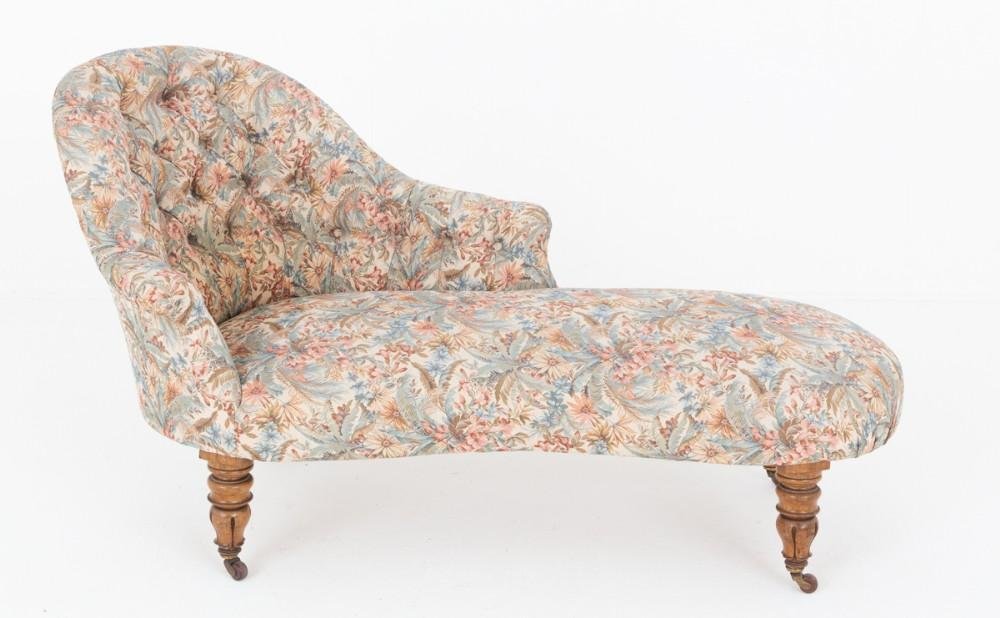
The Regency period introduced lighter, more architectural forms, often incorporating brass mounts and exotic influences. By contrast, Victorian furniture (1837–1901) embraced heavier ornamentation, darker woods, and more elaborate carving, reflecting the industrial growth and expanding middle class of the time.
At Canonbury Antiques in London, we guide clients through these subtle distinctions. Understanding proportion and silhouette is often the first step in identifying authenticity.
The Importance of Wood Selection
Wood type is a powerful clue in dating English antiques. Early Georgian pieces frequently used walnut before mahogany became widely imported. Oak was common in earlier centuries and remained in use for country furniture. Victorian pieces often incorporated darker finishes and sometimes veneers applied over secondary woods.
Examining the grain, patina, and signs of age is crucial. Genuine ageing creates depth and warmth that cannot be artificially replicated. At Canonbury Antiques, we carefully assess timber quality and natural wear patterns to confirm period accuracy. Our London showroom showcases fine examples that illustrate how wood choice evolved across centuries.
Construction and Detail: The True Indicators
Beyond style and wood, construction methods reveal authenticity. Hand-cut dovetail joints, uneven saw marks, and slight irregularities often indicate pre-industrial craftsmanship. Machine-perfect symmetry can suggest later reproduction.
Carving detail also matters. Georgian carving tends to be crisp yet restrained, while Victorian ornamentation can appear more exuberant. Brass handles, escutcheons, and hardware should align stylistically with the era of the piece.
When clients visit Canonbury Antiques, we demonstrate how these construction clues differentiate true antiques from later copies. Our expertise allows collectors across London, Europe, and the United States to purchase with assurance.
Why Expertise Matters
The market for English antiques is global, and accurate identification protects both historical integrity and investment value. Canonbury Antiques proudly serves clients throughout London and worldwide, offering detailed condition reports and secure international shipping.
Recognising authentic Period English Antiques is not simply about age; it is about understanding context, craftsmanship, and material integrity. With decades of experience in the London antiques trade, Canonbury Antiques provides informed guidance for both new buyers and seasoned collectors.
Whether you are furnishing a period property or adding character to a contemporary interior, expert knowledge ensures you select pieces with genuine heritage. Explore the curated collection at Canonbury Antiques and discover timeless English craftsmanship, preserved and presented with care for collectors around the globe.
Categorías
Read More
Sustainability has become a growing priority in construction, especially as projects seek ways to reduce material waste and environmental impact. Foundation systems are no exception. Among modern foundation solutions, the helical pile stands out not only for performance but also for its potential role in recycling and reuse. A common question arises during temporary or phased developments: can...

In recent years, aesthetic medicine has taken a major leap forward with the rise of regenerative treatments. Instead of focusing only on temporary cosmetic improvements, modern therapies now aim to restore and heal the body from within. One of the most exciting innovations in this field is exosomes therapy, a powerful regenerative treatment designed to unlock the body’s natural healing...

The world of cross-border money transfers is in the midst of a profound technological and competitive transformation. To understand the future of this vital financial service, it is essential to analyze the key Remittance Market Trends that are shaping the next generation of solutions. These trends reveal a clear and irreversible shift from slow, expensive, cash-based systems to...

The Birth of a Dark Streetwear Vision Hellstar is not just another name in modern fashion—it is a philosophy wrapped in fabric. From its earliest presence, the brand has stood apart by embracing darkness, raw emotion, and the reality of human struggle. Unlike surface-level streetwear that focuses only on trends, Hellstar digs deeper. It speaks to individuals who have lived through...

The World Wide Web Consortium (W3C), responsible for setting web standards like HTML5, has officially accepted and published Microsoft's recent submission concerning privacy features for web browsers. This move signifies a step forward in establishing industry-wide protocols for user privacy protection. Last year, the Federal Trade Commission (FTC) proposed a comprehensive framework aimed at...