


600 Overkill vs .50 BMG: Which Delivers More Raw Power?
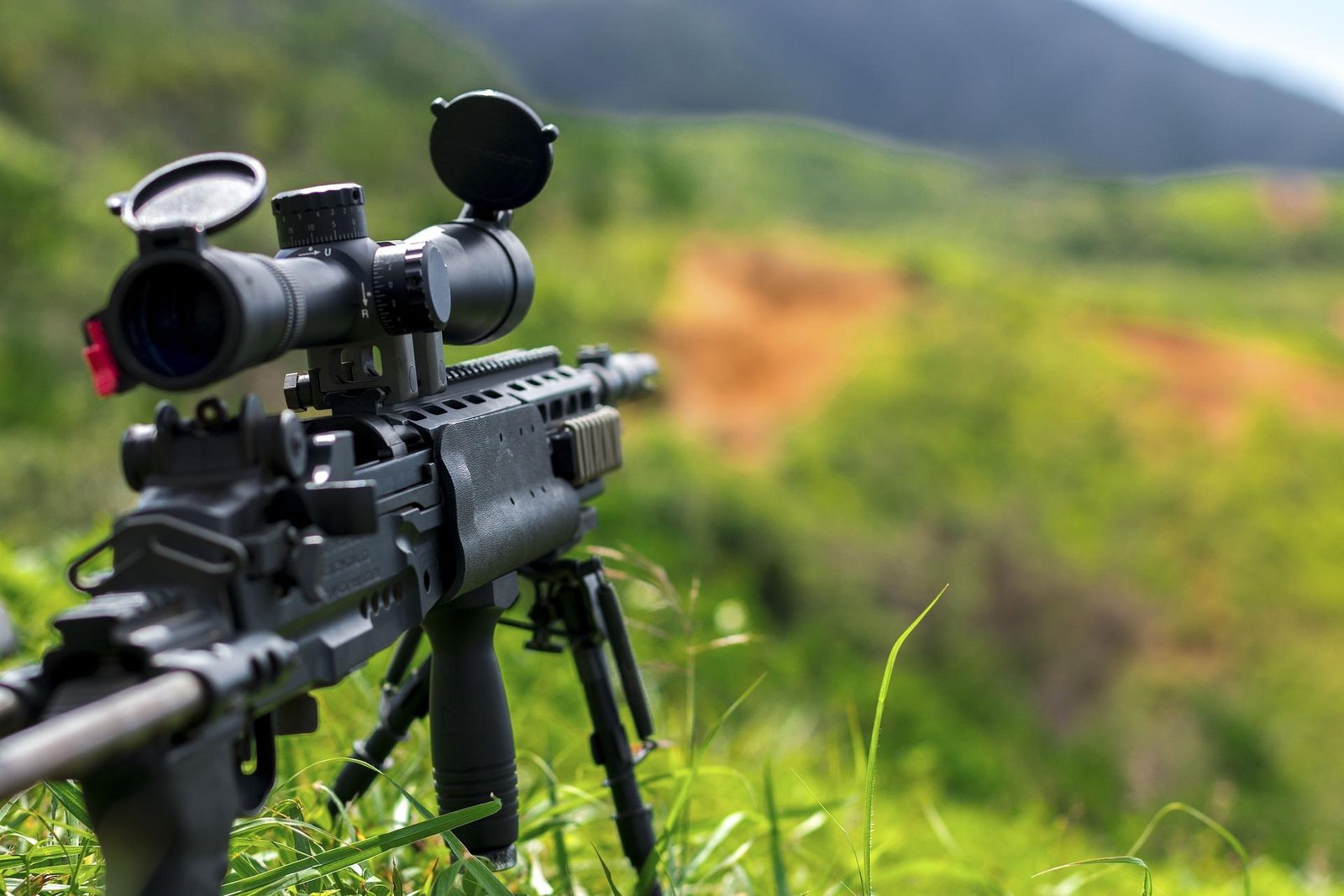
When shooters start talking about extreme rifle cartridges, two names quickly dominate the conversation: the 600 overkill and the legendary .50 BMG. Both rounds sit at the very top of the power spectrum for shoulder-fired rifles. Both are capable of delivering staggering muzzle energy. And both require serious hardware — and serious shooters — to handle them properly. But when the debate centers on one simple question — which delivers more raw power? — the answer isn’t just about numbers. It’s about bullet diameter, projectile weight, velocity, recoil impulse, platform design, and intended purpose.
In this deep dive, we’ll break down the ballistics, recoil dynamics, real-world practicality, and overall performance differences between these two titans of the firearms world.
Origins and Design Philosophy
Before comparing ballistics, it’s important to understand where each cartridge came from — because their purposes were very different.
.50 BMG: Military Powerhouse
The .50 BMG (Browning Machine Gun) was developed during World War I for use in heavy machine guns and later adapted for long-range rifles. Designed for military applications, it offers:
-
Extreme long-range capability
-
Armor penetration potential
-
Anti-materiel performance
-
Proven battlefield durability
Its 12.7×99mm case is massive, yet optimized for sustained military use.
600 Overkill: Extreme Civilian Big Bore
The 600 Overkill, on the other hand, is a modern wildcat cartridge designed purely for extreme sporting performance. Developed by Randy Dierks, it was built to push the limits of what a shoulder-fired rifle could handle.
Unlike the .50 BMG, the 600 Overkill wasn’t created for military logistics or battlefield practicality. It was designed to be bigger, heavier, and more powerful — period.
Cartridge Dimensions and Bullet Diameter
One of the most immediate differences is projectile diameter.
-
.50 BMG: .510-inch bullet diameter
-
600 Overkill: .620-inch bullet diameter
That extra .110 inches may not sound dramatic, but in terms of frontal surface area, it’s substantial. The 600 Overkill throws a noticeably larger projectile, increasing potential energy transfer and momentum.
The 600 Overkill case itself is also enormous — typically formed from modified .50 BMG brass — but necked up to accept the larger .620-caliber bullet.
Bullet Weights: A Major Divider
Here’s where things start separating clearly.
Typical .50 BMG Loads:
-
647-grain (M33 ball)
-
750-grain A-MAX
-
800-grain solid projectiles
Typical 600 Overkill Loads:
-
900 grains
-
1,000 grains
-
1,100–1,200+ grains
The 600 Overkill throws bullets that can exceed one pound in weight. That’s extraordinary for a shoulder-fired rifle.
This massive projectile weight dramatically influences energy and momentum calculations.
Muzzle Velocity Comparison
Velocity is where the .50 BMG maintains an edge.
.50 BMG
-
750-grain bullet: ~2,800 fps
-
647-grain bullet: ~2,900 fps
600 Overkill
-
900-grain bullet: ~2,400 fps
-
1,000-grain bullet: ~2,300 fps
The .50 BMG pushes lighter bullets faster. The 600 Overkill pushes heavier bullets slightly slower.
But velocity alone doesn’t determine raw power.
Muzzle Energy: The Numbers That Matter
Let’s calculate approximate energy figures.
.50 BMG (750 gr @ 2,800 fps)
Energy ≈ 13,000–13,500 ft-lbs
600 Overkill (900 gr @ 2,400 fps)
Energy ≈ 11,500–12,000 ft-lbs
600 Overkill (1,000 gr @ 2,300 fps)
Energy ≈ 11,750–12,000 ft-lbs
In pure energy terms, high-performance .50 BMG loads often edge out standard 600 Overkill loads.
But that’s not the whole story.
Momentum: The Hidden Heavyweight Factor
Momentum favors mass.
Momentum = mass × velocity
While the .50 BMG may generate slightly higher energy in some loads, the 600 Overkill’s heavier bullet produces tremendous momentum — especially in 1,000+ grain configurations.
Momentum plays a significant role in:
-
Penetration
-
Impact authority
-
Recoil impulse
This is where the 600 Overkill begins to feel different in practical shooting terms.
Mid-Article Power Reality
At this point in the comparison, it’s clear that the 600 overkill prioritizes bullet mass and frontal diameter, while the .50 BMG balances velocity and long-range aerodynamics. If raw power is defined strictly by kinetic energy numbers, the .50 BMG often posts slightly higher figures. But if raw power is defined by projectile weight and momentum transfer, the 600 Overkill makes a compelling argument.
This distinction becomes especially important when evaluating intended use.
Recoil: Managing the Beast
Neither cartridge is remotely “comfortable.”
.50 BMG Recoil
-
Approximately 70–90 ft-lbs (depending on rifle weight and brake)
-
Typically chambered in 25–35 lb rifles
-
Large, highly efficient muzzle brakes
600 Overkill Recoil
-
Can exceed 100 ft-lbs
-
Often chambered in 30+ lb custom rifles
-
Requires aggressive muzzle brakes
Shooters frequently report that the 600 Overkill produces a deeper, more forceful push — while the .50 BMG has a sharper but highly mitigated recoil impulse thanks to refined brake systems.
Both require proper stance, technique, and often prone or bench shooting positions.
Effective Range and Trajectory
Here the .50 BMG clearly dominates.
The .50 BMG was designed for extreme long-range performance:
-
Effective range beyond 1,500 yards
-
Strong ballistic coefficients
-
Proven ELR (Extreme Long Range) pedigree
The 600 Overkill, by contrast, is not optimized for aerodynamic efficiency. Its massive projectiles experience more drop and wind drift compared to sleek .50 BMG match bullets.
If power at extreme distance matters, the .50 BMG wins.
If power at moderate long range with maximum projectile mass matters, the 600 Overkill holds its own.
Rifle Platforms
.50 BMG Rifles
-
Widely manufactured
-
Semi-auto and bolt-action platforms available
-
Commercially standardized
600 Overkill Rifles
-
Primarily custom builds
-
Heavy bolt-action platforms
-
Limited commercial availability
The .50 BMG benefits from decades of engineering refinement. The 600 Overkill remains more niche and enthusiast-driven.
Ammunition Availability
Another practical factor:
-
.50 BMG ammunition is commercially produced and widely distributed.
-
600 Overkill ammunition is largely handloaded or specialty-produced.
From a logistical standpoint, the .50 BMG is far more accessible.
Intended Purpose
This is perhaps the most important distinction.
.50 BMG:
-
Anti-materiel
-
Military applications
-
Long-range precision
-
ELR competition
600 Overkill:
-
Extreme sporting novelty
-
Big bore experimentation
-
Maximum projectile mass for civilian use
The 600 Overkill was never intended to replace the .50 BMG. It was intended to exceed it in diameter and bullet weight.
Frontal Area and Impact Authority
The .620-inch projectile of the 600 Overkill creates a significantly larger frontal surface area than the .510-inch .50 BMG projectile.
This increases:
-
Immediate surface energy transfer
-
Shock effect
-
Visual impact
While both rounds are extraordinarily powerful, the 600 Overkill’s physical presence is undeniable.
Cost of Entry
Both cartridges require serious financial commitment.
-
.50 BMG rifles: Several thousand dollars
-
600 Overkill rifles: Custom builds often higher
Ammunition for either cartridge is expensive, but 600 Overkill tends to be more costly and less accessible.
So Which Delivers More Raw Power?
If “raw power” is defined as:
-
Highest kinetic energy → Slight edge to .50 BMG
-
Largest projectile mass → 600 Overkill
-
Greatest frontal diameter → 600 Overkill
-
Longest effective range → .50 BMG
-
Most established ballistic performance → .50 BMG
The .50 BMG wins on versatility and peak energy numbers.
The 600 Overkill wins on sheer projectile size and mass-driven authority.
Final Thoughts
The debate between the 600 overkill and the .50 BMG ultimately comes down to how you define power. The .50 BMG offers battle-proven, high-velocity, long-range dominance with energy figures that remain staggering even by modern standards. The 600 Overkill counters with overwhelming projectile mass and frontal diameter, delivering a visceral display of big-bore authority that few cartridges can match.
For shooters exploring extreme rifle platforms, both represent the pinnacle of shoulder-fired firepower. Whether you’re researching ELR setups, big-bore customs, or browsing specialty rifles on marketplaces like GunsAmerica, understanding the true ballistic differences between these two giants ensures you choose the cartridge that best aligns with your goals.
In the end, both rounds redefine what “power” means in the civilian rifle world — just in slightly different ways.
Kategorien
Mehr lesen
Understanding Breast Augmentation Before and After Results Breast augmentation before and after results provide a clear picture of how Breast augmentation surgery can enhance body proportions and boost confidence. At Perfect Doctors Clinic, each procedure is tailored to ensure Natural-looking breast augmentation, making transformations subtle yet impactful. Patient...

Prepare for a treacherous journey into a world that reshapes itself with every attempt. Elden Ring Nightreign, a standalone multiplayer survival experience, arrives May 30th. Forge alliances and adapt swiftly in a co-op struggle against a dynamically shifting landscape. Each expedition presents a new configuration of biomes, armaments, and foes, demanding constant vigilance. The core objective...

Netflix Resurrects Cult Animated Comedy for New Audience In an exciting development for fans of adult animation, the critically acclaimed series "Digman!" will find a new home on Netflix beginning March 17, 2026. This Comedy Central creation, which has maintained a dedicated but limited fanbase since its 2023 debut, is set to reach its largest audience yet through the streaming giant. The...
The Growing Importance of Exosomes in London for Aesthetic Medicine Exosomes In London are rapidly transforming the field of regenerative aesthetic medicine by offering advanced solutions for skin repair, cellular healing, and long-term rejuvenation. Exosomes are microscopic extracellular vesicles derived from stem cells that play a vital role in cell communication and tissue...

The long-awaited arrival of a Godzilla anime has finally been announced, sparking curiosity about why it took so many years for this iconic creature to transition into animated storytelling. Fans have often wondered why it took so long for Japanese animation studios to bring Godzilla to the anime screen, considering the character's cultural significance. Produced by Toho, the legendary studio...