


What Are Metal Buildings and Why Are They Used Across So Many Industries?
Metal buildings are everywhere. You see them in industrial areas, on farms, near retail spaces, and even in residential settings. They may look simple from the outside, but their widespread use is not accidental. Industries rely on metal buildings because they solve real problems related to space, strength, time, and cost.
This blog explains what metal buildings are and why so many industries depend on them. No sales talk. Just clear information to help you understand their role in modern construction.
What Are Metal Buildings?
Metal buildings are structures made primarily from steel or other metal components. Instead of using traditional materials like wood or brick as the main support, these buildings rely on steel frames, panels, and roofing systems.
Most commercial metal buildings are either prefabricated or pre engineered. This means many of the parts are designed and manufactured in advance, then assembled on site. The approach reduces construction time and improves accuracy.
Metal buildings can range from small storage sheds to large industrial complexes. Their size, shape, and design vary based on how they will be used, but the core structure remains similar across applications.
How Metal Buildings Are Constructed
The construction process usually begins with design and engineering. The structure is planned to handle specific loads such as wind, snow, or equipment weight. Once the design is finalized, components like steel frames, wall panels, and roof systems are manufactured off site.
These components are then transported to the building location and assembled. Because the parts are pre measured and pre cut, the on site work is faster and more predictable compared to traditional construction.
This method reduces material waste and helps maintain consistent quality across projects.
Key Features That Define Metal Buildings
Metal buildings share several defining features that make them suitable for many industries.
They are structurally strong, allowing them to span wide areas without interior columns. This creates open spaces that can be easily adapted for different uses.
They are also durable. Steel does not warp, rot, or attract pests, which helps extend the lifespan of the building.
Another key feature is flexibility. Metal buildings can be expanded, modified, or reconfigured as needs change.
Why Industries Choose Metal Buildings
Industries choose steel metal buildings for sale because they meet practical needs better than many traditional options.
Construction speed is a major reason. Faster assembly means businesses can begin operations sooner.
Cost predictability also matters. Pre planned designs and controlled manufacturing reduce unexpected expenses during construction.
Metal buildings also support large equipment, high ceilings, and wide floor plans, which are common requirements in industrial and commercial environments.
Common Industries That Use Metal Buildings
Metal buildings are not limited to one sector. Their versatility makes them useful across many industries.
Manufacturing facilities use them for production floors and storage areas. Warehouses rely on metal buildings for their open layouts and load bearing strength.
Agricultural operations use metal structures for barns, equipment storage, and processing areas. Retail and commercial spaces use them for showrooms and service centers.
Even institutional uses like schools, sports facilities, and community buildings benefit from metal construction.
Space Efficiency and Design Flexibility
One of the biggest advantages of metal buildings is how efficiently they use space. Steel frames allow for long clear spans, meaning fewer internal supports. This creates wide, open interiors that can be arranged as needed.
Design flexibility also plays a role. Metal buildings can be customized in height, width, and length. Interior layouts can change over time without major structural changes.
This adaptability makes metal buildings a practical long term solution for growing or evolving operations.
Durability and Long Term Performance
Metal buildings are designed to withstand tough conditions. Steel performs well in extreme weather, including heavy winds and snow loads when properly engineered.
Unlike wood, metal does not crack or shrink due to moisture. With proper coatings and maintenance, steel resists corrosion and maintains its strength for decades.
This durability reduces repair needs and supports consistent performance over time.
Environmental and Material Considerations
Steel is one of the most recyclable building materials available. Many metal buildings use recycled steel, and the material can be recycled again at the end of the building’s life.
Prefabrication also reduces waste during construction. Precise manufacturing means fewer leftover materials and less on site debris.
For industries looking to manage material use responsibly, metal buildings offer clear advantages.
Maintenance and Operational Practicality
Metal buildings are relatively low maintenance compared to many traditional structures. Their surfaces are easier to clean and inspect, and there are fewer components that degrade quickly.
Routine inspections and basic upkeep help maintain performance without complex repair work. This practicality is important for industries focused on long term operational efficiency.
Conclusion
Metal buildings are used across so many industries because they solve practical construction challenges. They offer strength, flexibility, durability, and efficient use of space. Their construction process supports faster timelines and predictable outcomes, which matters to businesses and organizations alike.
From small utility structures to large industrial facilities, metal buildings adapt to changing needs while maintaining structural reliability. That combination explains why they continue to be a common choice in modern construction across industries.
Categorías
Read More
Exciting casting news emerges as a diverse group of talented actors joins the upcoming Dracula mini-series. Among the newcomers are John Heffernan, known for his roles in "Collateral" and "The Crown," and Joanna Scanlan, acclaimed for "Hold the Sunset" and "No Offence." Dolly Wells, recognized for "Can You Ever Forgive Me?" and "45 Years," also joins the ensemble, alongside Morfydd Clark, who...

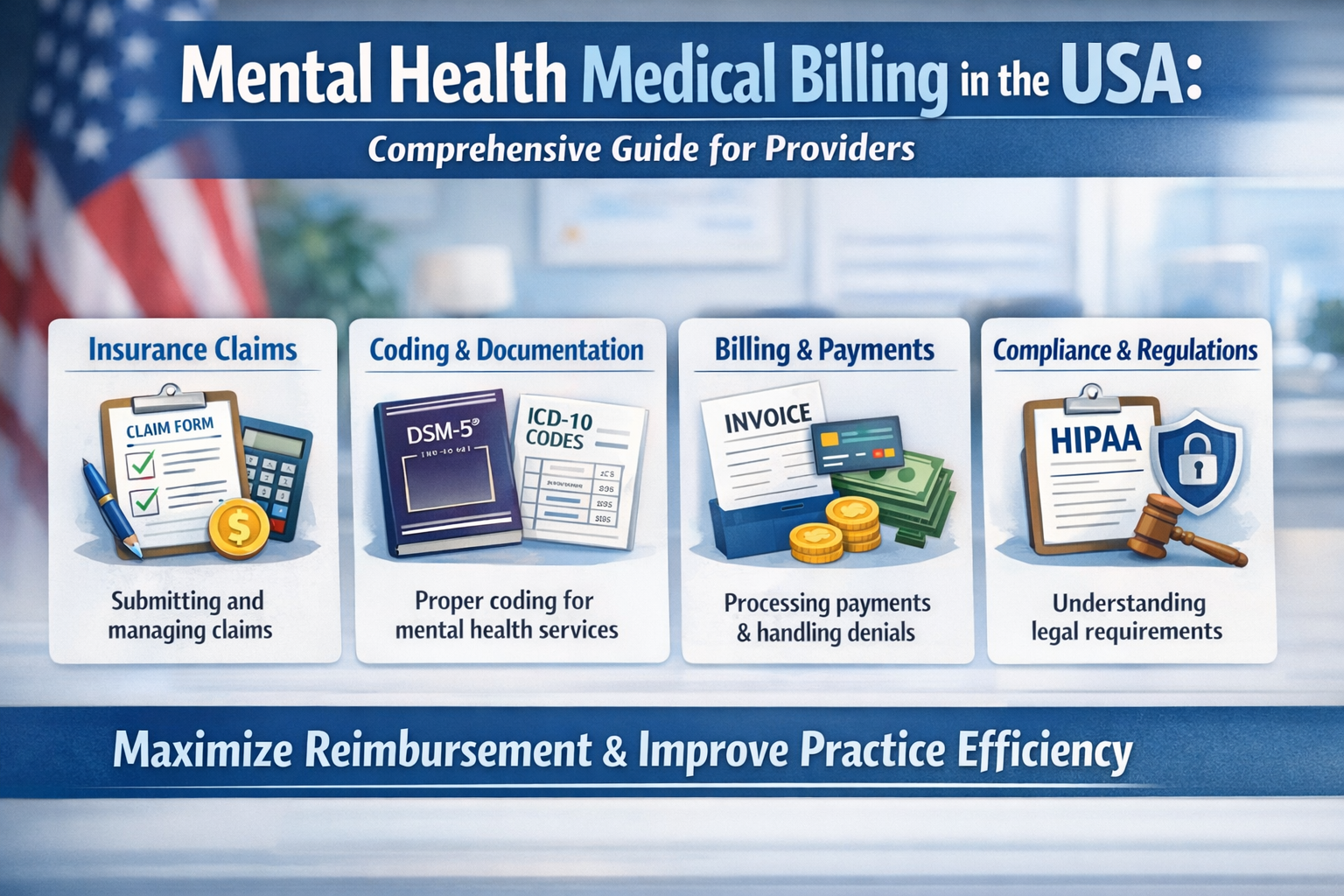
Introduction Managing mental health billing can be a complex and time-consuming task for clinics, private practices, and healthcare organizations in Delaware and across the USA. From handling insurance claims to ensuring timely reimbursements, mental health providers often face challenges that divert attention from patient care. Outsourcing mental health billing services Delaware has emerged as...
Be vigilant of deceptive emails bearing the Netflix logo, as a new phishing scheme emerges. Though initially reported in Great Britain, the scam's digital nature means it could easily spread worldwide. Observant users have spotted spelling errors in these fraudulent messages and shared warnings on social media, including screenshots. Netflix has issued an alert, assuring customers that...
Color, Coatings, and Competition: Inside the Global Automotive Paint Industry The global automotive paint market is witnessing steady expansion as vehicle production, customization trends, and sustainability initiatives reshape the coatings landscape. The market was valued at approximately US$ 11.38 billion in 2024 and is projected to reach US$ 16.49 billion by 2033, growing at a CAGR of 4.21%...

AI for Customer Experience Market Summary “The global AI for Customer Experience Market is expected to reach to USD 39 billion by 2032, growing at a CAGR of 23.0% during 2025 to 2032” The TrendBridge Insights Research report, “Global AI for Customer Experience Market Report 2025 – Future Opportunities, Latest Trends, In-depth Analysis, and Forecast To...