


Sunburn: Prevention, Treatment, and Long-Term Care for Healthy Skin
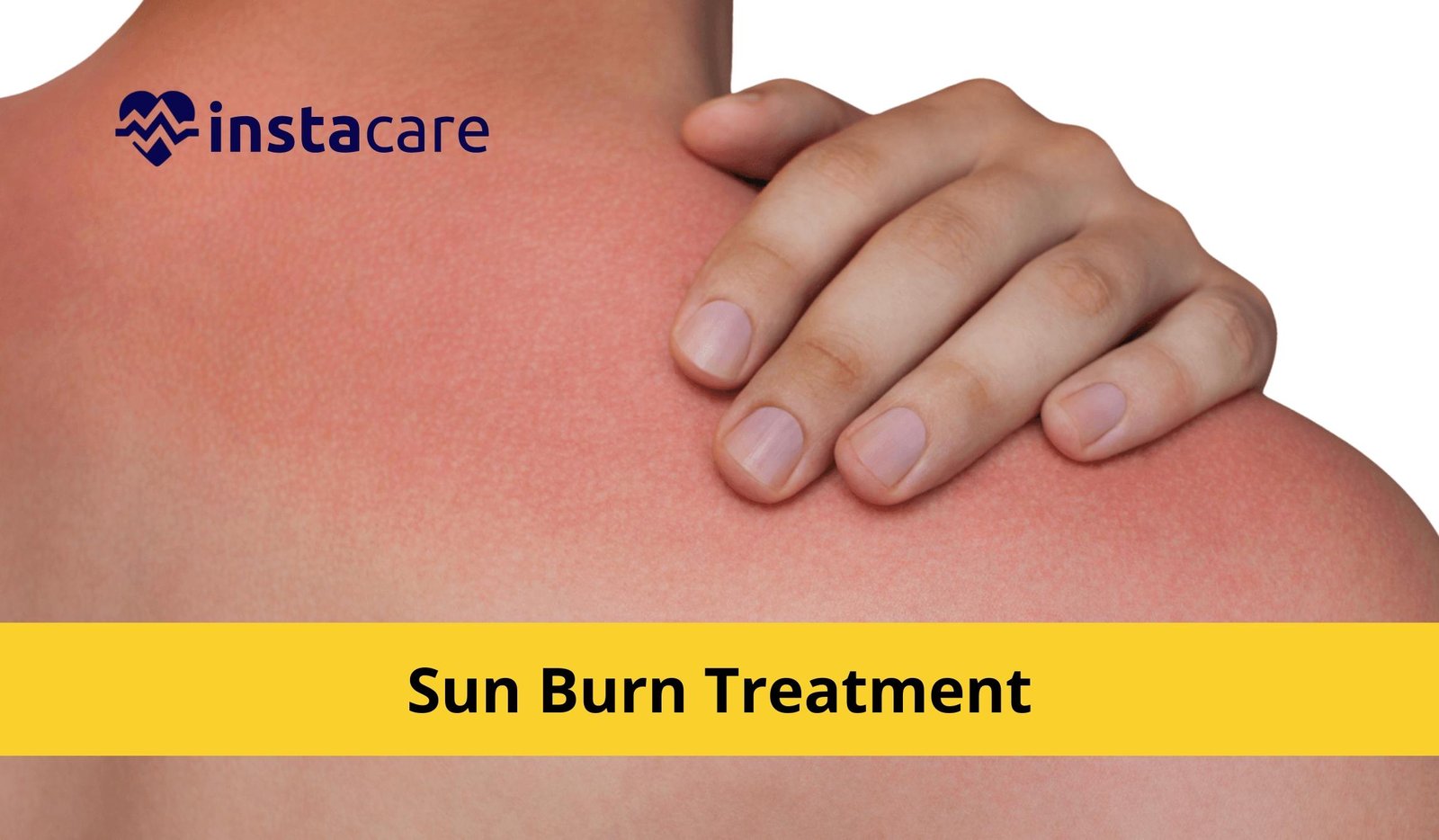
Sunburn is a common condition that occurs when the skin is overexposed to ultraviolet (UV) radiation from the sun. This type of skin damage not only causes pain and discomfort but also increases the risk of skin cancer over time. In this blog, we’ll discuss the causes of sunburn, effective prevention methods, treatment options, and long-term skin care to help protect your skin from harmful UV radiation.
What Causes Sunburn and How Does It Affect Your Skin?
Sunburn occurs when your skin is exposed to excessive ultraviolet (UV) radiation from the sun or other sources like tanning beds. UV radiation damages the skin's outermost layers, causing redness, inflammation, and sometimes blisters. This damage occurs because UV rays penetrate the skin, causing the cells to become inflamed and irritated.
The severity of a sunburn depends on several factors, such as the amount of UV exposure, skin type, and the duration of exposure. When UV rays penetrate the skin, they damage the DNA of skin cells, leading to inflammation. Sunburn can also weaken the skin's ability to protect itself from further damage, making it more susceptible to premature aging and skin cancer.
How to Prevent Sunburn: Key Tips for Sun Protection
Preventing sunburn is easier than treating it. The best way to protect your skin is by being proactive with sun protection. Here are some effective ways to prevent sunburn:
- Use Sunscreen Regularly: Choose a broad-spectrum sunscreen with an SPF of at least 30, and apply it generously to all exposed skin. Reapply every two hours, especially after swimming or sweating.
- Seek Shade: Try to stay in the shade when the sun's rays are strongest, typically between 10 a.m. and 4 p.m.
- Wear Protective Clothing: Lightweight, long-sleeved clothing and wide-brimmed hats can help protect your skin from direct UV exposure. Look for clothing with a UPF rating for added protection.
- Wear Sunglasses: Protect your eyes and the delicate skin around them by wearing sunglasses with 100% UVA and UVB protection.
- Avoid Tanning Beds: Tanning beds also emit UV rays, which can cause skin damage and increase the risk of sunburn and skin cancer.
By following these simple preventive measures, you can reduce the risk of sunburn and protect your skin from long-term damage.
Symptoms of Sunburn: What to Look Out For
Sunburn symptoms can vary depending on the severity of the skin damage. Common symptoms include:
- Redness and Inflammation: Skin becomes red, tender, and inflamed as a result of the damage caused by UV radiation.
- Pain and Sensitivity: The affected skin may feel hot to the touch and sensitive to pressure or friction.
- Swelling: In more severe cases, sunburn can cause swelling of the skin, especially in areas with more exposure.
- Peeling: After a few days, the damaged skin may begin to peel as the body sheds dead skin cells.
- Blisters: Severe sunburns may cause blisters to form, indicating deeper skin damage.
If you experience any of these symptoms, it’s important to treat your sunburn promptly to avoid further complications and reduce discomfort.
Effective Sunburn Treatment: Soothing Your Skin and Relieving Pain
If you’ve been exposed to the sun for too long and have developed sunburn, there are several effective ways to soothe your skin and reduce pain and inflammation:
- Cool the Skin: Apply a cool compress or take a cool shower to help reduce the heat in your skin. Avoid using hot water, as it can aggravate the burn.
- Moisturize: Use a moisturizing lotion or aloe vera gel to hydrate the skin. Aloe vera is known for its cooling and healing properties, which can help reduce inflammation and soothe pain.
- Hydrate: Drink plenty of water to help replenish fluids lost through sun exposure. Dehydration can make the symptoms of sunburn worse.
- Take Over-the-Counter Pain Relievers: Nonsteroidal anti-inflammatory drugs (NSAIDs) like ibuprofen can help reduce pain and inflammation associated with sunburn.
- Avoid Further Sun Exposure: Stay out of the sun while your skin heals to prevent further damage. Wear protective clothing if you must go outdoors.
While these treatments can help alleviate the immediate discomfort of sunburn, it's important to give your skin time to heal naturally.
Long-Term Care for Sunburn: Preventing Future Damage and Protecting Your Skin
Repeated sunburns can lead to long-term damage to your skin, including premature aging, wrinkles, and an increased risk of skin cancer. Here are some long-term care tips to maintain healthy skin and minimize the effects of sunburn:
- Get Regular Skin Checkups: Schedule annual checkups with a dermatologist to monitor your skin for any signs of damage, including unusual moles or growths that may indicate skin cancer.
- Use Sunscreen Daily: Even if you’re not heading to the beach, continue to use sunscreen on a daily basis. UV rays can damage your skin even on cloudy days or during winter months.
- Practice Sun-Safe Habits: Make sun protection a part of your everyday routine by wearing sunscreen, protective clothing, and sunglasses, and seeking shade when necessary.
- Repair Skin with Antioxidants: Antioxidant-rich skincare products, such as those containing vitamin C, can help repair sun damage and prevent further harm.
- Avoid Excessive Tanning: Tanning increases the risk of both sunburn and skin cancer. If you want to achieve a tan, consider using a self-tanner instead.
Taking care of your skin and preventing further sun damage can help protect your skin’s health in the long run.
Book Appointment with the Best Dermatologist in Lahore via InstaCare
If you're concerned about sunburn or the long-term effects of UV damage on your skin, it’s essential to consult with a dermatologist. Book an appointment with the best dermatologist in Lahore via InstaCare to get professional advice on protecting and maintaining your skin's health.
Frequently Asked Questions (FAQs)
- How can I prevent sunburn on my face? To prevent sunburn on your face, use a broad-spectrum sunscreen with at least SPF 30, wear a wide-brimmed hat, and seek shade whenever possible. Don't forget to apply sunscreen to all exposed areas of your face, including your ears and neck.
- Can sunburn lead to skin cancer? Yes, repeated sunburns can damage the DNA in skin cells, increasing the risk of skin cancer over time. Protecting your skin with sunscreen and avoiding excessive sun exposure is key to reducing this risk.
- What should I do if I have sunburned lips? For sunburned lips, use a lip balm with SPF protection to soothe and hydrate the area. Drink plenty of water and avoid further sun exposure until your lips heal.
- Can I use home remedies to treat sunburn? While some home remedies like aloe vera and cool compresses can provide relief, it’s important to avoid harsh treatments that could worsen the burn, such as applying ice directly to the skin or using petroleum-based products.
- How long does it take for sunburn to heal? Mild sunburn usually heals within 3-5 days, while more severe burns can take up to two weeks to heal completely. During this time, it’s important to stay hydrated and avoid further sun exposure to aid in the healing process.
Categorías
Read More
If you’re looking for a reliable and exciting online gaming platform, Laser247 is one of the most talked-about names right now. With a wide range of sports betting options, live casino games, and seamless user experience, it has become a preferred choice for online gaming enthusiasts. In this blog, we’ll guide you step-by-step on how to complete the Laser247 sign up process, create...

In today’s competitive trading world, finding the best instant funding prop firm can completely transform your journey. Traders are constantly searching for a reliable platform that provides immediate access to capital without long evaluation phases. Instant funding models allow traders to start operating funded accounts quickly, giving them the opportunity to focus on strategy,...

In today’s fast-paced world, maintaining optimal health can feel like a constant challenge. Busy schedules, processed foods, environmental toxins, and high stress levels can place significant strain on the body. One organ that often bears the brunt of these pressures is the liver. Responsible for hundreds of vital functions, the liver plays a central role in detoxification, metabolism,...
Trent Alexander-Arnold: Joueur Polyvalent La version FOF de Trent Alexander-Arnold fait son entrée en DCE sur FC 26. Ce latéral droit du Liverpool FC transcende les conventions de son poste. Son profil hybride fusionne la solidité défensive avec la créativité d'un meneur de jeu. Il excelle dans l'art de la passe longue, déchirant les...

The iconic checkmark seal once symbolized robust SSL security for online transactions. VeriSign built a business around licensing this trust mark to e-commerce sites, with studies showing it boosted consumer confidence and increased sales. Yet, the core SSL certificate market was slowing, prompting a strategic shift. VeriSign announced plans to vastly expand the seal's use to non-transactional...