


How to Install Artificial Turf: A Step-by-Step Guide for Woodstock, GA Homeowners
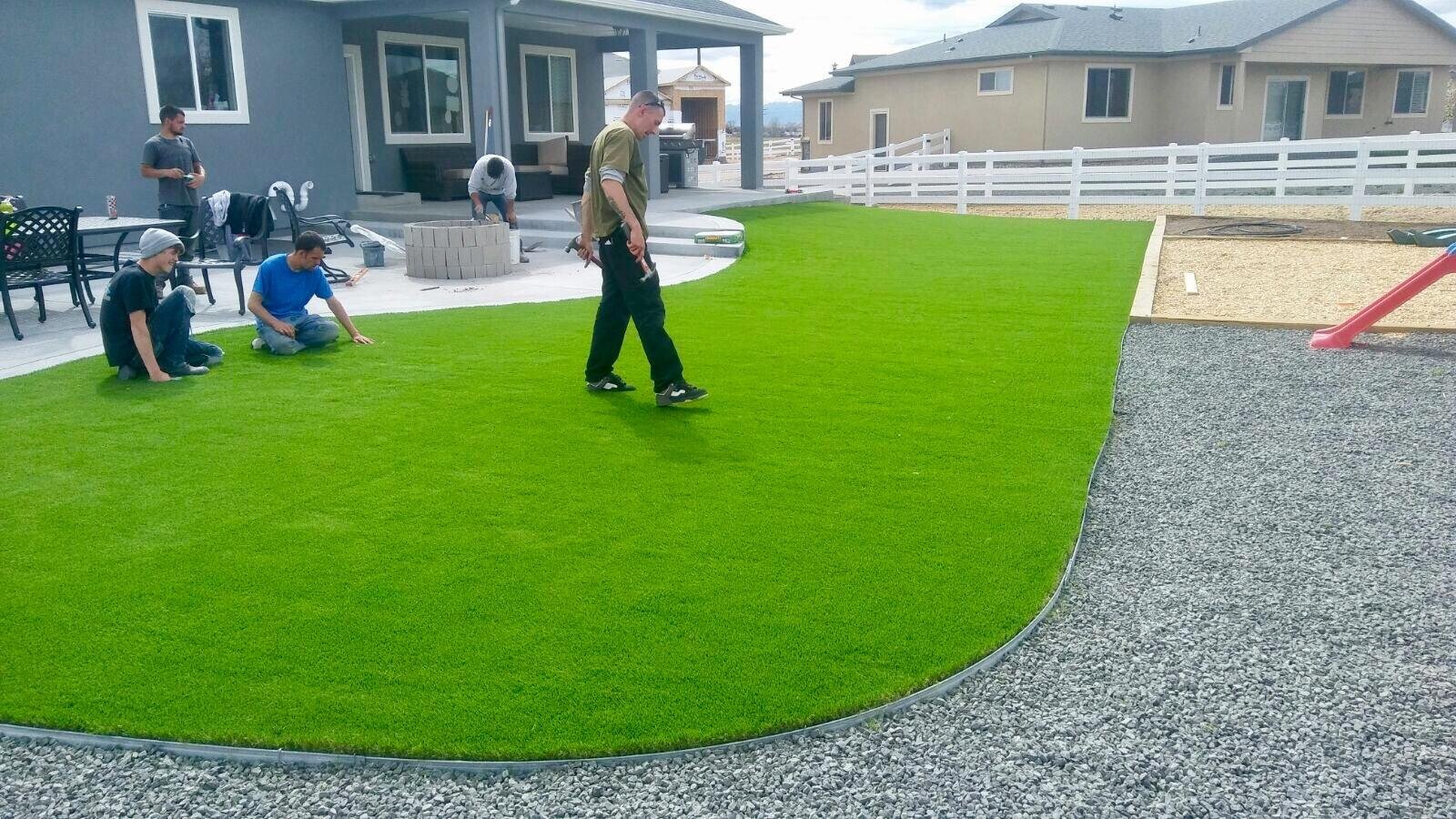
Artificial turf has become a popular landscaping choice for homeowners in Woodstock, GA and the surrounding areas. Its durability, low maintenance, and year-round green appearance make it an attractive alternative to natural grass. If you're considering upgrading your lawn, understanding how to install artificial turf properly will help you achieve the best results and enhance your property's curb appeal.
In this guide, we will walk you through the step-by-step process of installing artificial turf, from preparation to finishing touches, ensuring a beautiful, long-lasting synthetic lawn tailored to the climate and soil conditions of Woodstock, GA.
Why Choose Artificial Turf in Woodstock, GA?
Before diving into the installation process, it's important to understand why Artificial Turf Installation Woodstock GA is an excellent landscaping solution for Woodstock homeowners:
-
Climate resilience: Woodstock experiences hot summers and mild winters. Artificial turf stays green and lush regardless of drought or seasonal changes, saving water and maintenance time.
-
Low maintenance: No mowing, fertilizing, or watering needed. Perfect for busy households and environmentally conscious residents.
-
Durability: High-quality turf withstands heavy foot traffic, pets, and outdoor activities without damage.
-
Aesthetics: Offers a consistently vibrant, manicured look, improving curb appeal and property value.
-
Cost-effective long-term: Though initial installation requires investment, savings on water bills and lawn care make it economical over time.
Planning and Measuring Your Lawn Area
The first step in installing artificial turf is careful planning and measurement. You’ll want to:
-
Measure the area accurately: Use a tape measure to find the length and width of your lawn space. Calculate the square footage to determine how much turf you’ll need.
-
Plan for drainage: Ensure your yard slopes slightly or install a drainage system to prevent water pooling under the turf.
-
Check for underground utilities: Contact local utility companies or use services like to mark any buried pipes or cables before digging.
Proper planning prevents costly mistakes and ensures your artificial lawn will look perfect and function well.
Removing Existing Grass and Preparing the Ground
To create a stable base for your turf:
-
Remove natural grass: Use a sod cutter, shovel, or rent a lawn mower designed for sod removal. Clear all grass and roots from the area.
-
Level the soil: Rake and smooth the soil, filling in low spots and removing rocks or debris. This will create an even surface.
-
Install a weed barrier: Lay down a high-quality landscaping fabric to prevent weed growth beneath the turf, extending its lifespan and reducing maintenance.
Installing the Base Layer
The base layer provides stability, drainage, and support for the artificial turf.
-
Add crushed stone or gravel: Spread a 2-4 inch layer of crushed stone or decomposed granite over the prepared soil. This material compacts well and ensures proper drainage.
-
Compact the base: Use a plate compactor or hand tamper to compress the base layer evenly. A solid, flat base prevents turf from shifting or sinking over time.
-
Check slope and drainage: Confirm the surface slopes away from buildings and pools to avoid water pooling.
Laying Out the Artificial Turf
Now it’s time to lay out the turf itself.
-
Roll out the turf: Place the synthetic turf rolls over the base, allowing them to rest for a few hours if possible. This helps the turf fibers to settle and reduces wrinkles.
-
Trim to fit: Use a sharp utility knife or turf cutter to trim the edges so the turf fits your lawn shape perfectly. Make sure seams are tight and aligned.
-
Check blade direction: The turf fibers should all face the same way to ensure a natural, uniform look.
Securing the Turf
Properly securing your turf prevents shifting and maintains its appearance.
-
Join seams: Use turf tape and adhesive or specialized seam tape to join multiple rolls. Press seams firmly to avoid gaps.
-
Stake or nail down edges: Secure the perimeter of the turf with galvanized turf nails or landscape staples every 6-8 inches.
-
Stretch the turf: Use a turf kicker or power stretcher to remove wrinkles and stretch the turf taut before final fixing.
Adding Infill
Infill helps the turf fibers stand upright, provides cushioning, and improves drainage.
-
Choose the right infill: Common infills include silica sand, crumb rubber, or organic materials. Select an infill compatible with your turf type and local regulations.
-
Apply the infill: Spread the infill evenly using a drop spreader or by hand. Brush the turf fibers upward using a stiff broom or power brush to help the infill settle.
-
Repeat as needed: Apply infill in layers, brushing between applications until the turf reaches the desired firmness and fiber support.
Final Grooming and Inspection
-
Brush and groom: Use a power broom or stiff-bristled broom to fluff the turf fibers and evenly distribute the infill.
-
Inspect for imperfections: Check for loose seams, wrinkles, or exposed edges and address as needed.
-
Water the turf: Lightly hose the turf to settle dust and infill particles.
Maintenance Tips for Artificial Turf in Woodstock, GA
While artificial turf requires minimal upkeep, a few simple maintenance tips will keep it looking its best:
-
Regular brushing: Keep fibers upright and clean by brushing every few weeks.
-
Remove debris: Pick up leaves, twigs, and pet waste promptly.
-
Rinse occasionally: Hose down the turf to remove dust, pollen, and pet odors.
-
Prevent weed growth: Inspect for weeds around the edges or seams and treat as necessary.
-
Avoid sharp objects: Protect the turf from burns, cuts, or heavy sharp objects.
Why Choose a Local Woodstock, GA Artificial Turf Installer?
Hiring a local artificial turf installation company in Woodstock, GA offers several benefits:
-
Knowledge of local climate and soil conditions: They’ll recommend the best turf and installation techniques tailored to Woodstock’s weather and soil.
-
Faster response and support: Local companies can quickly address any issues or warranty claims.
-
Community reputation: Local businesses rely on strong customer reviews and relationships, ensuring quality work and professionalism.
-
Compliance with local regulations: Experienced local installers know and follow city codes and environmental regulations.
Conclusion
Installing artificial turf is a smart investment for Woodstock, GA homeowners seeking a beautiful, low-maintenance lawn that stays green year-round. With proper planning, preparation, and professional installation, your synthetic lawn will enhance your property's aesthetics, save water, and provide a durable surface for years to come.
If you're ready to transform your outdoor space, consider contacting a trusted artificial turf installer in Woodstock, GA today to get expert advice and a free consultation.
Categories
Read More
We want to keep you informed about emerging scams so you can protect yourself and share warnings with those around you. Recently, there have been reports of scammers targeting international students by impersonating federal government officials. These fraudsters often contact students from South Asian countries, using caller ID spoofing to appear as government representatives. They seem to know...

When you run a business centered on craftsmanship, whether you are a master chocolatier, a boutique candle maker, or a curator of luxury gift sets, you know that the experience begins long before the customer tastes the product or strikes a match. It begins the moment they lay eyes on the package. At the heart of every memorable unboxing is a choice: do you want to be forgotten, or do you want...

Background verification has become a crucial requirement for immigration, employment, licensing, and security screening across Canada. While traditional name-based police checks were once the standard, digital fingerprint verification has quickly become the most trusted and accurate option. As a result, RCMP fingerprinting Toronto services are now widely recognized as the preferred method for...

The Moon Maiden, Columbina, wields the power of Hydro with remarkable versatility. Her combat role is fluid, adapting seamlessly to either a primary damage focus or a supporting position. Success hinges on a thoughtful approach to her equipment and talents. To harness her full potential, one must consider a selection of optimal armaments. Certain artifacts will significantly amplify her hydro...
The global distribution of Webtoons Market Share is a compelling story of a near-duopoly, with two South Korean technology and entertainment giants, Naver and Kakao, locked in a fierce battle for global supremacy. Having pioneered the digital comics format in the early 2000s, these two companies leveraged their domestic dominance to build a formidable and almost unassailable lead as...
