


Hydraulic Adapters: Types, Uses & How to Choose the Right One
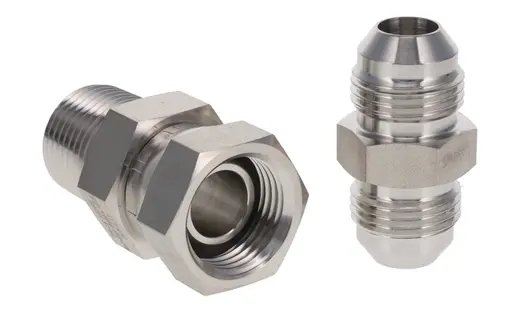
In any hydraulic system, even the smallest connection can make or break performance. That’s where hydraulic adapters come in. These essential components allow different types of fittings, threads, and hoses to connect seamlessly ensuring efficiency, safety, and leak-free operation.
Whether you're working in construction, agriculture, manufacturing, or industrial maintenance, choosing the right hydraulic adapter is critical to keeping your system running smoothly.
What Are Hydraulic Adapters?
Hydraulic adapters are connectors used to join incompatible hydraulic components, such as hoses, pipes, and ports with different thread types or sizes. They act as a bridge between various standards, allowing flexibility in system design and repair.
Instead of replacing entire components, adapters provide a cost-effective way to modify or extend your hydraulic setup.
Common Types of Hydraulic Adapters
Understanding the different types helps you choose the right one for your application:
1. Thread Adapters
Used to connect different thread types, such as:
- NPT (National Pipe Thread)
- BSPP (British Standard Pipe Parallel)
- BSPT (British Standard Pipe Tapered)
- SAE (ORB – O-Ring Boss)
These are essential when working with equipment from different regions or manufacturers.
2. Straight Adapters
Designed for direct, inline connections without changing direction. Ideal for simple setups where space and alignment are not an issue.
3. Elbow Adapters (45° & 90°)
Perfect for tight spaces, these adapters help redirect flow and reduce hose stress, preventing premature wear and failure.
4. Tee & Cross Adapters
Used to split or combine fluid flow in multiple directions common in complex hydraulic circuits.
5. Hose Barb Adapters
These connect flexible hoses using a barb and clamp system. Best suited for low-pressure applications where quick and secure installation is needed.
Key Applications of Hydraulic Adapters
Hydraulic adapters are widely used across industries, including:
- Construction equipment (excavators, loaders)
- Agricultural machinery (tractors, harvesters)
- Manufacturing and automation systems
- Oil & gas and heavy industrial operations
- Maintenance and repair setups
They are essential for both new installations and system upgrades.
How to Choose the Right Hydraulic Adapter
Selecting the wrong adapter can lead to leaks, pressure drops, or even system failure. Here’s what to consider:
✔ Thread Type & Size
Always match the correct thread standard (NPT, BSP, SAE, JIC). Mixing incompatible threads can cause serious damage.
✔ Pressure Rating
Ensure the adapter is rated for your system’s pressure. Some fittings are designed strictly for low-pressure use, like hose barb adapters.
✔ Material
- Steel: High strength for demanding applications
- Stainless Steel: Corrosion resistance
- Brass: Suitable for lighter-duty systems
✔ Sealing Method
Choose between:
- O-ring seals (ORB, ORFS)
- Metal-to-metal seals (JIC)
- Thread sealants (NPT)
✔ Environment
Consider exposure to moisture, chemicals, or extreme temperatures. Corrosion-resistant coatings like zinc plating improve durability.
Common Problems & How Adapters Solve Them
Problem: Mismatched threads
➡️ Solution: Use thread adapters to connect different standards
Problem: Limited space
➡️ Solution: Use elbow adapters to redirect flow
Problem: Frequent leaks
➡️ Solution: Switch to O-ring based adapters for better sealing
Problem: System upgrades
➡️ Solution: Adapters allow modifications without replacing entire assemblies
Why Quality Hydraulic Adapters Matter
Low-quality adapters can lead to:
- Fluid leaks
- Equipment downtime
- Increased maintenance costs
- Safety hazards
Investing in high-quality, precision-engineered adapters ensures long-term reliability and performance.
Why Choose Gear House Hydraulics?
At Gear House Hydraulics, we supply premium-grade hydraulic adapters built to meet industry standards and real-world demands. Our fittings are engineered for durability, precision, and leak-free performance helping businesses across the USA reduce downtime and maximize efficiency.
Final Thoughts
Hydraulic adapters may seem like small components, but they play a massive role in system performance. Choosing the right type, material, and configuration can significantly improve efficiency, safety, and longevity.
If you're upgrading your system or solving connection issues, investing in the right hydraulic adapters is the smartest move you can make.
الأقسام
إقرأ المزيد
The Donkey Milk Market is undergoing significant transformation due to innovative processing techniques that enhance product quality, safety, and shelf-life. According to market research, the Donkey Milk Market Size was estimated at 0.5646 USD Billion in 2024, and it is projected to grow from USD 0.6281 Billion in 2025 to USD 1.824 Billion by 2035,...

Bahiti is a hero known for his travels across icy landscapes, moving from city to city to inspire survivors to build their own shelters. Keep in mind that Bahiti’s hero stats come into play during exploration modes, while his troop stat boosts are active in expedition modes. For a deeper understanding of these mechanics, refer to our comprehensive Whiteout Survival hero guide....
Stone Island and Pull Stone Island: Simple Fashion That Never Goes Out of Style Stone Island is one of the most respected clothing brands in modern fashion. It is famous for strong materials, smart designs, and long-lasting quality. Many people choose Stone Island because it offers comfort, style, and durability in one outfit. Whether you are walking in the city or relaxing with friends, Stone...

In the ever-evolving digital economy, the freelancer marketplace has become a cornerstone for business growth and innovation. A modern freelance marketplace empowers businesses to access a global talent pool, execute projects faster, and reduce operational costs significantly. This model is especially powerful for companies looking to scale quickly without the burden of traditional...

The gap between iGaming brands that achieve lasting search visibility and those experiencing perpetual ranking volatility increasingly reflects differences in how comprehensively their casino guest post programs address the full spectrum of algorithmic trust signals that modern search evaluation frameworks apply to gambling content — extending far beyond conventional link metrics...
