


How Water Heater Installation Services Work
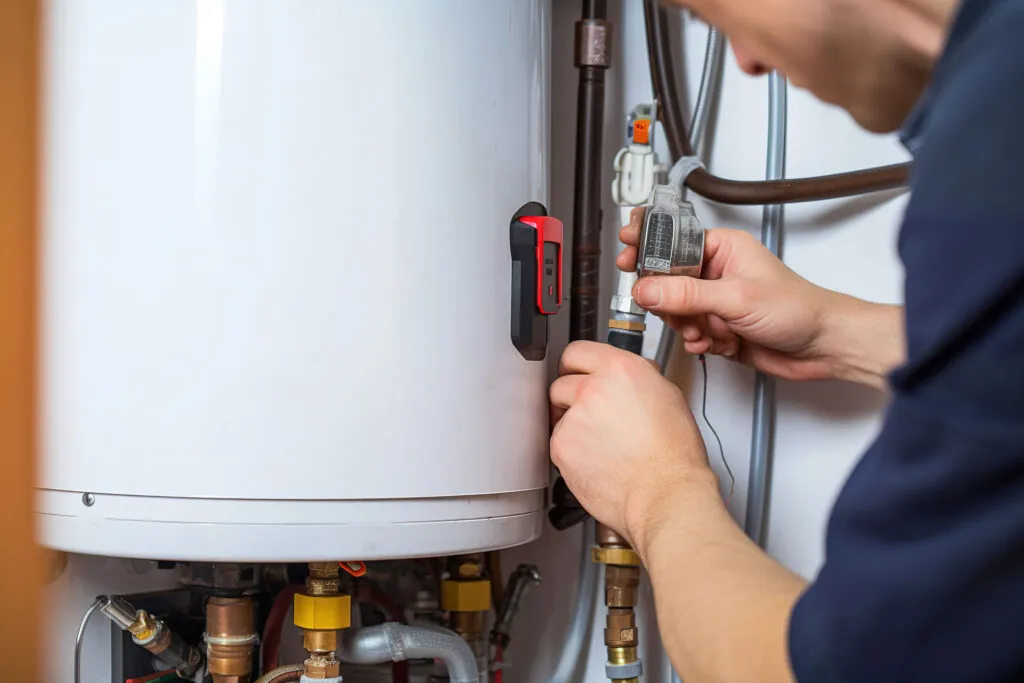
A functioning water heater is essential for modern-day comfort, providing hot water for showers, cooking, laundry, cleaning, and much more. Whether you are building a new home, replacing an old unit, or upgrading your system, water heater installation services are key to ensuring reliable, efficient, and safe hot water supply for your household.
In this article, we’ll discuss why professional water heater installation is crucial, the different types of water heaters available, the installation process, and the benefits of choosing an experienced plumber for the job.
Why Professional Water Heater Installation Matters
Correct Sizing
Installing a water heater is not just about choosing any unit that fits in the designated space. The size and capacity of your water heater must match your household’s hot water demand. A water heater that is too small will constantly run out of hot water, while a unit that is too large may waste energy and increase your utility bills. A professional installer can help you choose the right size based on your household’s usage, ensuring you get the perfect unit for your needs.
Proper Connections
Water heater installation requires connecting several key components, including the water supply lines, electrical or gas lines, and venting systems. Incorrect connections can lead to leaks, water damage, gas leaks, or even fire hazards. A licensed plumber has the skills and knowledge to safely install all components, ensuring that your water heater operates efficiently and safely.
Compliance with Local Codes
Installing a water heater isn’t as simple as plugging it in. Plumbing and electrical systems must comply with local building codes and safety regulations. A licensed professional is well-versed in these codes and ensures that the installation meets all local requirements. This ensures that your installation is legal, safe, and protected under warranty.
Energy Efficiency
A properly installed water heater operates more efficiently, reducing energy consumption and lowering your utility bills. In fact, an inefficient installation can lead to heat loss, causing your water heater to work harder than necessary and waste energy. Professionals ensure that your unit is properly insulated, pipes are tightly connected, and everything is optimized for maximum efficiency.
Safety
Water heater installation involves working with potentially hazardous components, such as natural gas lines, electrical connections, and high-pressure water systems. Professional installers have the training to handle these dangers safely, preventing accidents, injuries, or damage to your home.
Types of Water Heaters
There are several types of water heaters available, each with its own set of benefits and considerations. Understanding the different options will help you make an informed decision when it comes to installation:
Tank Water Heaters (Traditional Water Heaters)
Tank water heaters are the most common type of water heater. They store a large amount of water (usually between 30-50 gallons) and keep it heated at all times. This provides a ready supply of hot water whenever you need it. However, once the stored water is used up, you’ll need to wait for the tank to heat more water. These units are typically powered by electricity, natural gas, or propane.
Benefits:
-
Simple and reliable
-
Lower initial cost
-
Suitable for households with higher hot water demand
Tankless Water Heaters (On-Demand Heaters)
Tankless water heaters, also known as on-demand or instantaneous heaters, heat water as it passes through the unit rather than storing it in a tank. This means you’ll never run out of hot water, and you can save energy by only heating the water you need. They are ideal for smaller households or homes with lower hot water demand.
Benefits:
-
Endless hot water supply
-
Energy-efficient (only heats water when needed)
-
Compact and space-saving design
Heat Pump Water Heaters
Heat pump water heaters use electricity to move heat from the air or ground to heat the water. These units are much more energy-efficient than traditional tank water heaters, as they use ambient heat to heat water instead of generating heat directly. Heat pump water heaters are ideal for areas with mild climates.
Benefits:
-
Extremely energy-efficient
-
Reduces energy consumption by 50% compared to traditional units
-
Environmental-friendly option
Solar Water Heaters
Solar water heaters use the sun’s energy to heat water. These systems are typically composed of solar panels installed on your roof, connected to a storage tank. While the initial installation cost can be higher, solar water heaters can significantly reduce your energy bills in the long run.
Benefits:
-
Environmentally friendly and renewable energy source
-
Long-term cost savings
-
Low operating costs
The Water Heater Installation Process
The process of installing a water heater typically involves several key steps, which can vary depending on the type of unit and the complexity of the installation. Here is an overview of what you can expect during a professional water heater installation:
Site Assessment
The plumber will begin by assessing your home’s plumbing and electrical or gas systems to determine the best location for your new water heater. They will check for sufficient space, proper ventilation (if necessary), and access to water supply lines and power sources.
Unit Selection
Based on your hot water usage, space availability, and budget, the plumber will help you choose the right type of water heater (tank or tankless, electric or gas, etc.). They will also help you select the appropriate size and brand to ensure long-term performance and efficiency.
Installation and Connection
The plumber will carefully remove your old water heater (if applicable) and install the new unit. This involves connecting the water supply lines, venting system, electrical or gas lines, and thermostat. For gas-powered water heaters, the plumber will also check for gas leaks to ensure safe operation.
Testing
After installation, the plumber will test the unit to ensure it’s working properly. They’ll check for leaks, verify that the water heater heats up correctly, and ensure that there are no issues with the pressure or temperature settings.
Cleanup
Once the installation is complete and everything is functioning correctly, the plumber will clean up the work area, remove the old unit (if applicable), and ensure that your home is left in the same condition as before.
Benefits of Hiring a Professional for Water Heater Installation
While you might be tempted to attempt a DIY water heater installation, there are several reasons why it’s best to hire a professional plumber for the job:
Expertise and Experience
Professional plumbers are trained and experienced in installing all types of water heaters. They have the knowledge to properly size, install, and troubleshoot any issues, ensuring that your new unit operates at its highest efficiency and lasts for years.
Proper Installation
Correct installation is critical to ensuring that your water heater operates safely and efficiently. Improper installation can lead to issues such as leaks, overheating, or gas leaks, which could damage your home and even put your family at risk. A licensed plumber ensures that all safety codes and regulations are followed.
Warranties and Peace of Mind
Many water heater manufacturers require professional installation to validate the warranty. Hiring a licensed plumber ensures that the installation is done correctly and that your warranty remains valid. Additionally, professional installation offers peace of mind, knowing the job was done safely and correctly.
Long-Term Savings
A professional water heater installation ensures that your system runs efficiently, reducing energy costs over time. An experienced plumber can also offer tips on maintaining your water heater to maximize its lifespan and avoid costly repairs.
When to Schedule Water Heater Installation
You should consider scheduling a water heater installation if:
-
Your current unit is old (10+ years) and inefficient.
-
You are building a new home or renovating your existing home.
-
Your water heater is constantly malfunctioning or leaking.
-
You want to upgrade to a more energy-efficient model.
Conclusion
Professional water heater installation services are essential to ensuring that you have a reliable, energy-efficient, and safe hot water supply. Whether you're upgrading to a new model, replacing an outdated system, or installing a water heater for a new build, hiring an experienced plumber ensures that the job is done right.
Contact Us for Expert Water Heater Installation!
If you need professional installation or replacement of your water heater, don’t hesitate to contact our team of experienced plumbers. We provide expert installation services tailored to your home’s needs.
Call: (510) 387-8708
Find us on: Google Maps
Categorías
Read More
Two literary giants, whose careers have sparked both acclaim and debate, are set for the Netflix documentary treatment. Their approach to truth often blended deep reporting with narrative techniques of fiction, forging a path known as New Journalism. This immersive style, placing the writer within the story, sometimes reconstructs private moments, a method that continues to provoke discussion....

January Highlights and Hidden Gems As January 2026 winds down with only one major Netflix release remaining, it seems like a good moment to reflect on the month's highlights and uncover some hidden gems viewers might have overlooked. The beginning of the year has been promising, featuring anticipated arrivals like the new season of Bridgerton, which premieres on January 29 and marks the first...
When it comes to enhancing your appearance and boosting your confidence, choosing the Best plastic surgeon in jeddah is one of the most important decisions you can make. Cosmetic procedures today are more advanced, safer, and highly personalized, allowing individuals to achieve natural-looking and stunning results. Whether you are considering facial rejuvenation or body contouring,...

A new chapter in the Spider-Verse swings onto screens this spring. Nicolas Cage embodies a world-weary Ben Reilly, a private eye in 1930s New York who must confront the superhero he once was. The series offers a unique viewing choice: experience each episode in classic black & white or in "true-hue" full color. An extraordinary case forces this disillusioned detective to reclaim his masked...
Expanding your business beyond borders is no longer just about shipping products; it’s about speaking the digital language of your target audience. In 2026, International SEO has evolved from simple "Google Translate" hacks to a sophisticated blend of technical precision and cultural resonance. Here is your detailed blueprint for building a world-class International SEO strategy....