


U.S. Watch Market to Reach $34.3B by 2033 Amid Smartwatch Boom

United States Watch Market Set for Steady Expansion Through 2033
The United States watch market is witnessing a dynamic transformation, driven by the convergence of fashion, technology, and luxury. As consumer preferences evolve, the industry is adapting to a growing appetite for smartwatches, premium timepieces, and digitally enabled shopping experiences.
According to industry insights from Renub Research, the U.S. watch market was valued at US$ 22,771.5 million in 2024 and is projected to reach US$ 34,343.6 million by 2033, expanding at a CAGR of 4.67% between 2025 and 2033. This growth reflects a balance between traditional craftsmanship and cutting-edge wearable technology.
Download Free Sample Report:https://www.renub.com/request-sample-page.php?gturl=united-states-watch-market-p.php
A Market Defined by Innovation, Status, and Personal Expression
Watches in the United States have evolved far beyond their original purpose of timekeeping. Today, they represent a blend of utility, personal identity, and technological sophistication.
From classic analog designs to advanced smartwatches, the market caters to a wide spectrum of consumers:
- Professionals seeking luxury and status
- Fitness enthusiasts relying on wearable tech
- Fashion-conscious individuals embracing design trends
Prestigious brands such as Rolex, Omega, and TAG Heuer continue to dominate the luxury segment, while technology leaders like Apple Inc., Samsung, and Garmin are reshaping the market with feature-rich smartwatches.
Key Growth Drivers Shaping the U.S. Watch Industry
1. Surge in Smartwatch Adoption
The rapid rise of smartwatches is one of the most influential trends in the U.S. watch market. With increasing integration of health and connectivity features, smartwatches have become essential lifestyle devices.
Modern smartwatches offer:
- Heart rate and oxygen level monitoring
- Sleep tracking and fitness analytics
- Notifications and mobile connectivity
The launch of advanced models like the Apple Watch Series 10 highlights continuous innovation in this segment. With over 50 million Americans reportedly using technology to monitor their health, the demand for wearable devices is expected to remain strong.
2. Strong Demand for Luxury Timepieces
Luxury watches continue to command a significant share of the market, driven by their association with prestige, craftsmanship, and long-term value.
High-end brands such as Patek Philippe, Audemars Piguet, and Breitling are highly sought after by collectors and affluent buyers.
Key factors fueling luxury demand include:
- Investment potential and resale value
- Limited-edition releases
- Celebrity endorsements
Despite global fluctuations, the United States continues to strengthen its position as a leading market for Swiss watch exports.
3. Expansion of E-commerce and Digital Retail
E-commerce has revolutionized how consumers purchase watches in the United States. Online platforms such as Amazon and eBay, along with brand-owned websites, offer unmatched convenience and accessibility.
Key advantages of online retail include:
- Competitive pricing and discounts
- Access to a wide variety of brands
- Virtual try-on tools and AI-driven recommendations
The integration of seamless payment options and easy return policies further enhances consumer confidence, making online channels a major growth driver.
Challenges Impacting Market Growth
1. Competition from Smart Devices
Traditional watches are facing increasing competition from smartphones and smartwatches. Many consumers now rely on their mobile devices for timekeeping, reducing the necessity for conventional watches.
To remain relevant, traditional watchmakers are:
- Incorporating hybrid smart features
- Emphasizing heritage and craftsmanship
- Focusing on design innovation
2. Counterfeiting and Grey Market Concerns
The proliferation of counterfeit watches and unauthorized resellers poses a significant challenge, particularly for luxury brands.
These issues:
- Undermine brand reputation
- Lead to revenue losses
- Complicate distribution channels
To combat this, manufacturers are adopting advanced technologies such as blockchain-based authentication and secure supply chain systems.
Segment Analysis: Diverse Market Opportunities
Quartz Watches
Quartz watches remain popular due to their affordability, precision, and low maintenance. Brands like Seiko, Citizen, and Casio dominate this segment, offering reliable options for everyday use.
Electronic Watches
Electronic watches, including digital and hybrid models, are gaining traction among sports enthusiasts and active users. Known for durability and functionality, these watches are bridging the gap between traditional and smart devices.
Men’s Watch Market
The men’s segment continues to lead in terms of demand, with consumers seeking watches that reflect both style and status. Brands like Fossil and TAG Heuer cater to diverse price segments.
Trends such as minimalist designs and oversized dials are shaping purchasing decisions.
Luxury Watch Segment
Luxury watches remain a cornerstone of the U.S. watch industry. Beyond functionality, they serve as symbols of wealth, heritage, and exclusivity.
The growing secondary market for pre-owned luxury watches is also contributing to sustained demand.
Convenience Store Segment
Convenience stores provide accessible and affordable options for consumers seeking basic timepieces. Brands like Timex and Casio dominate this space, catering to impulse buyers and budget-conscious customers.
Online Watch Market
The online segment is rapidly expanding, driven by digital transformation and changing consumer behavior. Platforms like WatchBox are gaining popularity for buying and selling both new and pre-owned watches.
As digital retail continues to evolve, online sales are expected to play an even greater role in shaping market dynamics.
Competitive Landscape: Leading Players Driving Innovation
The U.S. watch market is highly competitive, with a mix of global luxury brands and technology-driven companies.
Key players include:
- Fossil Group Inc.
- Titan Company Limited
- LVMH
- Apple Inc.
- Richemont
- The Swatch Group
- Citizen Watch Co. Ltd.
- Seiko Group Corporation
These companies are investing in product innovation, strategic partnerships, and digital transformation to maintain their market positions.
Emerging Trends Reshaping the Industry
Health and Wellness Integration
Smartwatches are increasingly focusing on health monitoring features, making them essential tools for modern lifestyles.
Sustainability and Ethical Sourcing
Consumers are becoming more conscious of sustainability, prompting brands to adopt eco-friendly materials and responsible sourcing practices.
Customization and Personalization
From interchangeable straps to custom designs, personalization is becoming a key differentiator in the watch market.
Final Thoughts
The United States watch market is poised for steady growth, driven by the dual forces of technological innovation and enduring demand for luxury craftsmanship. With the market expected to reach US$ 34.34 billion by 2033, the industry reflects a unique blend of tradition and modernity.
Categorías
Read More
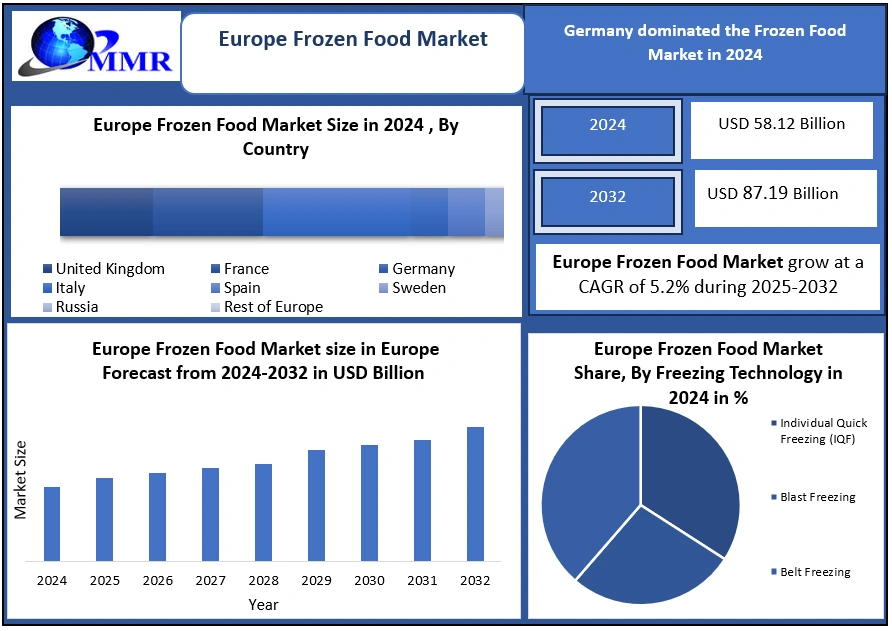
Europe Frozen Food Market Witnesses Robust Growth Driven by Convenience and Changing Consumer Lifestyles The Europe frozen food market is experiencing strong and sustained growth as consumer demand for convenient, ready-to-eat, and long-shelf-life food products continues to rise. With increasing urbanization, busy lifestyles, and advancements in cold chain logistics, the market is...
Managing diabetes requires consistent care, expert medical guidance, and access to advanced diagnostic and treatment facilities. With the rising number of diabetes cases in urban areas, choosing the right healthcare provider plays a crucial role in maintaining long-term health. Many patients often struggle with uncontrolled blood sugar levels due to irregular treatment or lack of proper...

China's Ministry of Industry and Information Technology clarifies that no discussions with Google have occurred regarding hacking allegations The ministry seeks formal complaints from Google to enable potential legal action, yet maintains that none have been submitted Official statements consistently reject any government involvement in cyber incidents, carefully avoiding labeling Google's...

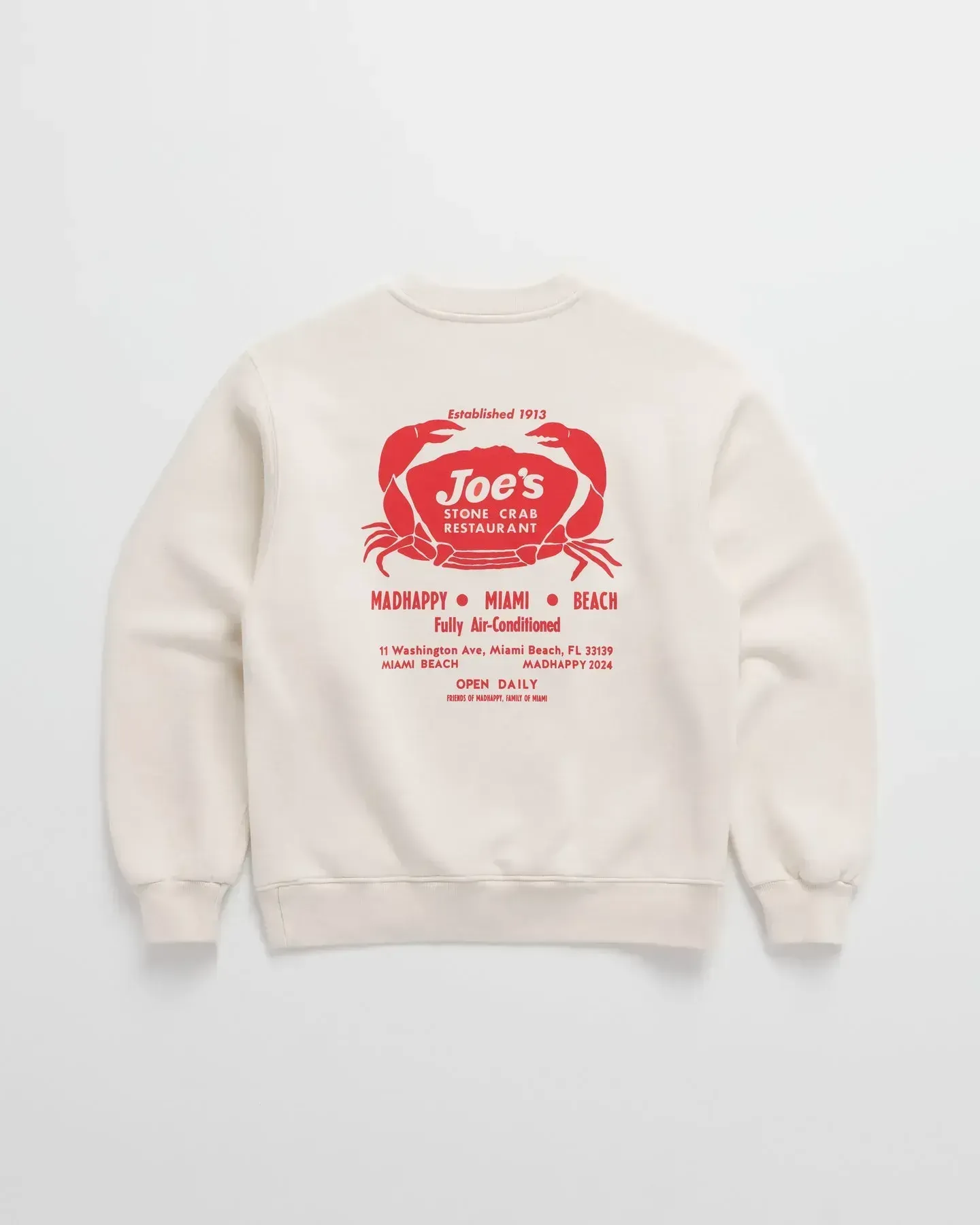
In the evolving world of modern streetwear, few brands have managed to blend emotional storytelling, premium craftsmanship, and effortless style quite like Madhappy. Among its most coveted pieces, the Madhappy sweatshirt stands out as a symbol of elevated comfort and mindful fashion. More than just a wardrobe staple, it represents a lifestyle rooted in optimism, community, and contemporary...
A highly anticipated adaptation of Harlan Coben's bestselling novel is underway, with filming set to commence in the UK starting March 4th. The series, titled "The Stranger," is a gripping eight-part drama produced by Red Production Company, a StudioCanal affiliate, in collaboration with Netflix. Leading the cast is Siobhan Finneran, renowned for her roles in "Happy Valley" and "Downton...