

Digitizing Embroidery Service and Logo Digitizing: The Key to High-Quality Embroidered Designs
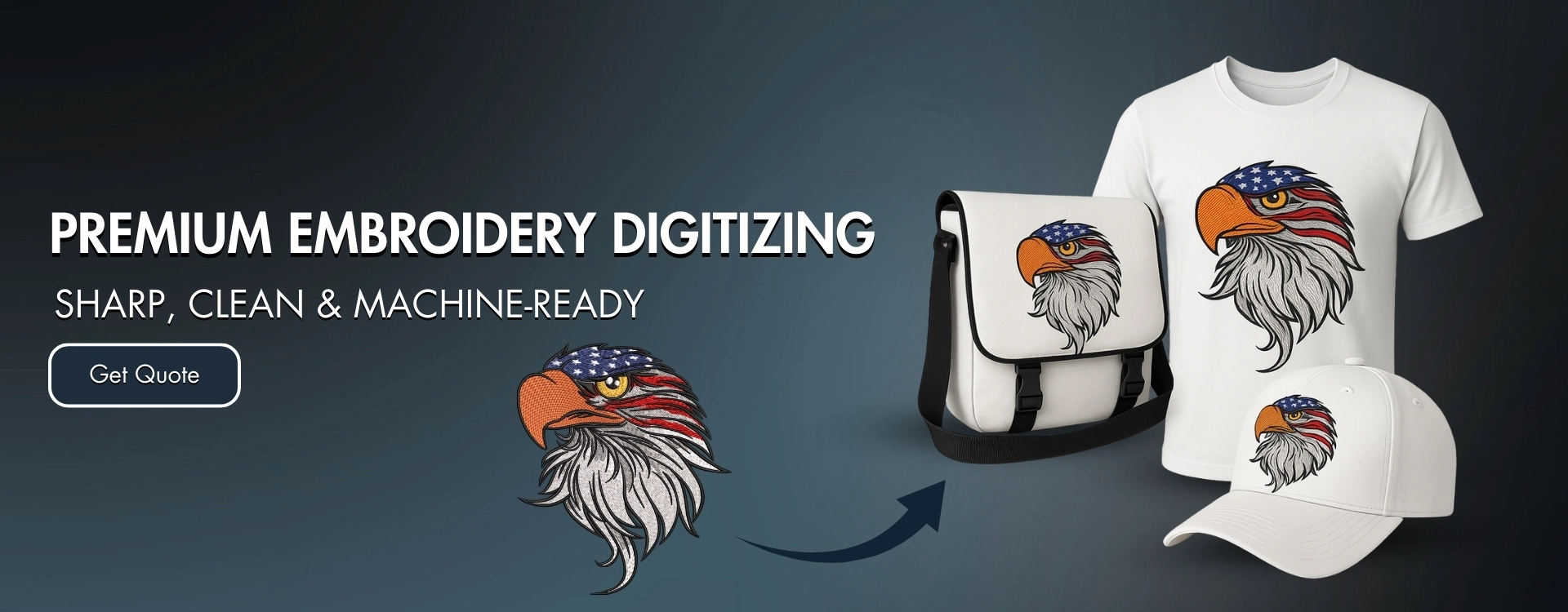
In the world of customized apparel, promotional branding, and commercial embroidery, the role of a professional digitizing embroidery service has become more important than ever. Whether you are embroidering company uniforms, sports team jerseys, caps, jackets, or personalized gifts, the final outcome depends heavily on how well the design is digitized. Without proper digitizing, even the most advanced embroidery machine cannot deliver smooth stitches or clean details.
Among all types of digitizing work, logo digitizing is the most in-demand. Businesses depend on embroidery to display their brand identity on apparel, and that requires precise, accurate stitch files. In this blog, we will explore what digitizing actually is, why it's essential, how the process works, and how professional digitizers enhance the quality and efficiency of embroidery production.
What Is Digitizing Embroidery Service?
A digitizing embroidery service converts artwork—such as a logo, symbol, illustration, or name—into a format that an embroidery machine can understand. Unlike general image editing, digitizing is a technical blueprinting process. The digitizer manually plots stitches, defines stitch types, and adjusts settings to ensure the design sews cleanly on fabric.
This involves:
-
Stitch mapping
-
Density adjustments
-
Underlay placement
-
Pathing and sequencing
-
Thread direction control
-
Compensation for fabric stretch
-
Simplifying complex artwork
-
Machine format conversion
The goal is to turn a flat image into a stitch-ready file, such as DST, PES, EXP, JEF, VP3, or others. The better the digitizing, the smoother and more professional the embroidery outcome.
Why Logo Digitizing Matters for Branding
Logos are the face of a brand. When businesses place their logo on shirts, hats, jackets, or promotional products, they expect it to look clean, sharp, and consistent. Logo digitizing ensures that every curve, line, and element of the logo is translated into thread with accuracy.
A professionally digitized logo helps maintain:
-
Brand identity
-
Logo consistency
-
Clean outlines and readable text
-
Accurate color transitions
-
Balanced stitch density
Poor digitizing can distort the logo, break threads, and ultimately damage the brand’s image. This is why companies choose professional digitizing services instead of relying on auto-digitizing tools.
How the Digitizing Process Works
Digitizing is a step-by-step journey that requires knowledge of fabric behavior, thread movement, and machine capabilities. Here’s how a typical digitizing embroidery service handles the process:
1. Reviewing the Artwork
The digitizer begins by analyzing the logo or design. They check:
-
Size requirements
-
Text clarity at small sizes
-
Color count
-
Complexity
-
Shape consistency
-
Needed adjustments
Logos with gradients or too much detail often need simplification for embroidery.
2. Setting Up the Stitch Types
Embroidery uses different stitches for different effects:
-
Satin stitch – for borders, outlines, and text
-
Fill stitch – for large areas of color
-
Running stitch – for fine details and shading
Choosing the right stitch type is crucial for maintaining detail and achieving smooth results.
3. Planning Underlay
Underlay is the foundation that stabilizes the fabric. Without it, the final stitches may sink into the fabric or distort.
Digitizers choose underlay types based on:
-
Fabric type
-
Stitch length
-
Design size
-
Density levels
Proper underlay prevents puckering and creates sharp, clean results.
4. Density and Pull Compensation
Every fabric behaves differently under stitching. For example:
-
Stretch fabrics pull the design
-
Thick fabrics need lower density
-
Caps require structured stitching
Digitizers adjust density and add pull compensation so the logo doesn’t distort during stitching.
5. Pathing and Color Sequencing
Pathing determines how the machine moves through the design. Good pathing reduces:
-
Thread trims
-
Jump stitches
-
Machine stops
-
Wasted time
Efficient sequencing ensures fast production and cleaner results.
6. Testing the Design
Most professional digitizers test the stitch file to check:
-
Thread tension
-
Shape accuracy
-
Stability
-
Color alignment
-
Text clarity
If something doesn’t look perfect, they revise the file until it meets high standards.
Why Businesses Need Digitizing Embroidery Services
Whether you are running a home embroidery setup or a commercial shop, good digitizing is essential. Here’s why businesses depend on professional digitizing:
1. Consistent Branding
Brand logos must look identical on every product. Good digitizing ensures consistency across:
-
Hats
-
T-shirts
-
Jackets
-
Bags
-
Towels
-
Patches
2. Faster Production
Well-digitized files run smoothly on embroidery machines with fewer interruptions. This means:
-
Less downtime
-
Fewer thread breaks
-
Faster turnaround
For commercial shops, time saved is money saved.
3. Better Quality Results
High-quality digitizing improves appearance, including:
-
Smooth outlines
-
Sharp text
-
Balanced fill areas
-
Clean edges
A professionally digitized design instantly elevates the product’s value.
4. Cost Savings
When digitizing is done correctly the first time:
-
Less material is wasted
-
Fewer test runs are needed
-
Machines run longer without issues
This directly impacts profit margins.
What Makes a Great Logo Digitizer?
Not all digitizers deliver the same quality. Here are qualities of a skilled digitizer:
-
Strong artistic sense
-
Understanding of stitches and fabrics
-
Ability to simplify artwork
-
Knowledge of machine formats
-
Experience with different materials
-
Excellent attention to detail
A good digitizer can take a low-resolution logo and turn it into a clean, professional stitch file.
Industries That Rely on Digitizing Embroidery Services
Digitizing is required in almost every market that uses embroidery, including:
-
Corporate branding
-
Sports uniforms
-
Military patches
-
Police and fire department badges
-
Fashion apparel
-
Schools and colleges
-
Event promotional products
-
Personal gift customization
Wherever embroidery appears, digitizing is behind it.
The Future of Digitizing and Logo Embroidery
The demand for digitizing continues to rise due to:
-
Growth in e-commerce personalization
-
Popularity of custom clothing
-
Expansion of small embroidery businesses
-
Increased branding through promotional products
Although AI tools and auto-digitizing software are improving, they cannot replace experienced digitizers. Machines cannot understand fabric stretch, thread tension, or design aesthetics the way humans can. The future is a blend of advanced software supported by skilled digitizers.
Categorías
Read More
Mount Oldenyo Lengai is one of the most interesting volcanoes which exist on Earth. The Massai people name it “Mountain of God” because it rises steeply from Tanzania’s Great Rift Valley. Many adventure seekers want to know whether climbing the mountain remains possible and safe and brings worthwhile results. The brief response to the question stands as an affirmative...

India Automotive Lighting Market Set for Strong Growth as Vehicle Production and LED Adoption Rise India Automotive Lighting Market Outlook 2026–2034 The India automotive lighting market is expected to experience steady expansion as the automotive industry continues to grow and adopt advanced vehicle technologies. According to analysis by Renub Research, the...
Comme des Garçons has long shaped global fashion through bold creative experimentation. Founded by Rei Kawakubo, the brand challenged traditional ideas about beauty and structure. Its unconventional tailoring introduced dramatic silhouettes that defied mainstream expectations. Meanwhile, A Bathing Ape built recognition through vibrant streetwear aesthetics and graphics. When their...

Netflix Expands STEAM-Focused Series for Young Girls Netflix has announced the continuation of their popular series that encourages young girls to embrace science and technology. The Emmy-nominated show will return with two additional seasons, with the second season launching globally on August 12, and the third season following later in fall 2016. In collaboration with the White House Council...
What Are the Features of Python? Python is one of the most popular and extensively used programming languages in the world moment. Created by Guido van Rossum and first released in 1991, Python has grown into a important, flexible, and freshman-friendly language that supports a wide range of operations — from web development and robotization to artificial intelligence and data...